English
 中文简体
中文简体
 русский
 Español

Introduction to Curtain Finials: Surface Finish and Color
Curtain finials are the decorative elements found at the end of curtain rods, serving both functional and aesthetic purposes. These small yet significant details can transform the appearance of a room by complementing the overall decor and adding a sense of finishing touch. The surface finish and color of curtain finials play a key role in determining their visual impact and their ability to harmonize with the surrounding space. Understanding how these features affect the design of a room is essential for selecting the right finials that enhance the style of the curtains and the room as a whole.
The Role of Surface Finish in Curtain Finials
The surface finish of curtain finials refers to the texture, sheen, and overall appearance of the material used. Just like curtain fabrics, the finish of finials can affect the mood and atmosphere of a space. Different surface finishes can create varying levels of elegance, warmth, or rustic charm, depending on the desired look. Common finishes for curtain finials include matte, glossy, hammered, and polished, each of which offers distinct visual effects.
Matte finishes are often chosen for their subtle and understated look. Finials with a matte surface tend to have a smooth, non-reflective appearance, which can create a soft, natural feel in a room. These finishes are often found in materials like wood, ceramic, and brushed metals. A matte curtain finial can lend a sense of warmth and calmness, making it a good choice for rustic, country, or contemporary interior styles.
Glossy finishes, on the other hand, tend to create a more polished, modern, and sophisticated look. Finials with a glossy surface reflect light, which can enhance the richness and luxury of a room. These finishes are typically found in materials such as polished brass, chrome, or glass. Glossy curtain finials work well in formal or contemporary settings, where sleekness and a high-shine aesthetic are desired. However, they may not be suitable for every room, as their reflective surface can sometimes feel too stark in more relaxed, cozy spaces.
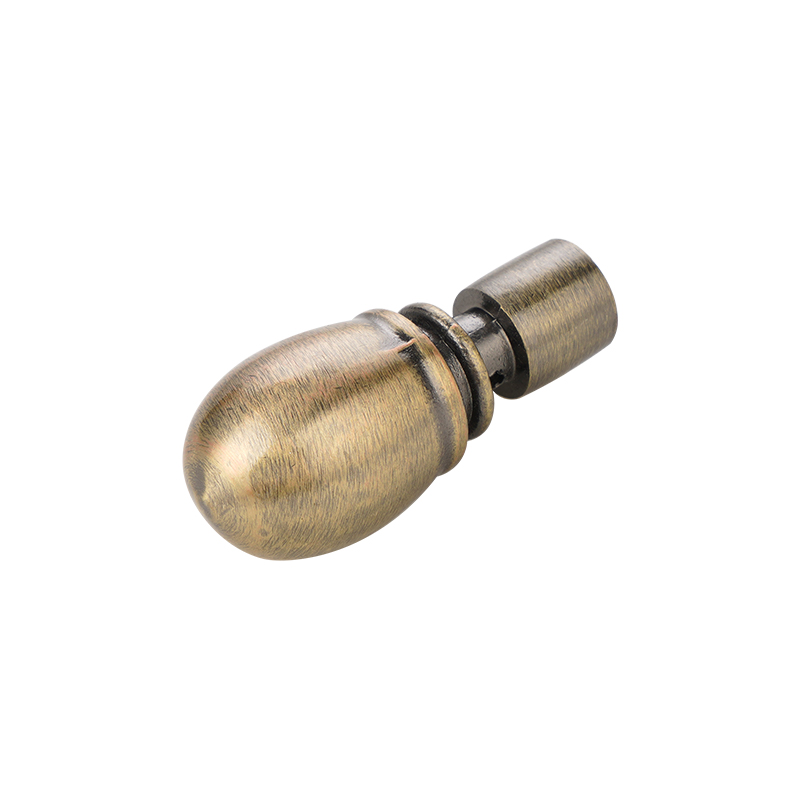
Hammered finishes are characterized by their textured, irregular surface, often created by striking the material with a tool to create small dents or grooves. These types of finishes can add a vintage or industrial touch to a room, making them popular in loft-style apartments, rustic settings, or homes with an eclectic design. Hammered curtain finials, often made from metals like bronze or iron, can evoke a sense of craftsmanship and old-world charm, bringing character to the space.
Polished finishes are similar to glossy finishes but tend to have a more refined, smooth texture. These types of finials often appear sleek and sophisticated, with a high-gloss shine that can create a luxurious atmosphere. Finials with a polished surface are typically made from materials like stainless steel or glass, offering a modern, clean appearance. They are suitable for contemporary, minimalist, or high-end interior styles, where elegance and simplicity are central themes.
The Impact of Material Choice on the Surface Finish
The material of the curtain finial plays a significant role in determining the type of surface finish that can be applied. Common materials used for curtain finials include wood, metal, glass, and acrylic, each of which offers unique characteristics and visual effects when combined with different finishes.
Wooden finials often have a natural, rustic appeal and can be finished with a variety of techniques. For example, a stained wood finial can highlight the grain of the wood and create a warm, earthy feel in the room. A lacquered wood finish, on the other hand, can provide a more polished and refined appearance while still maintaining the natural texture of the wood. Wooden finials can also be painted or varnished to achieve matte, satin, or glossy finishes, depending on the style of the room and the desired effect.
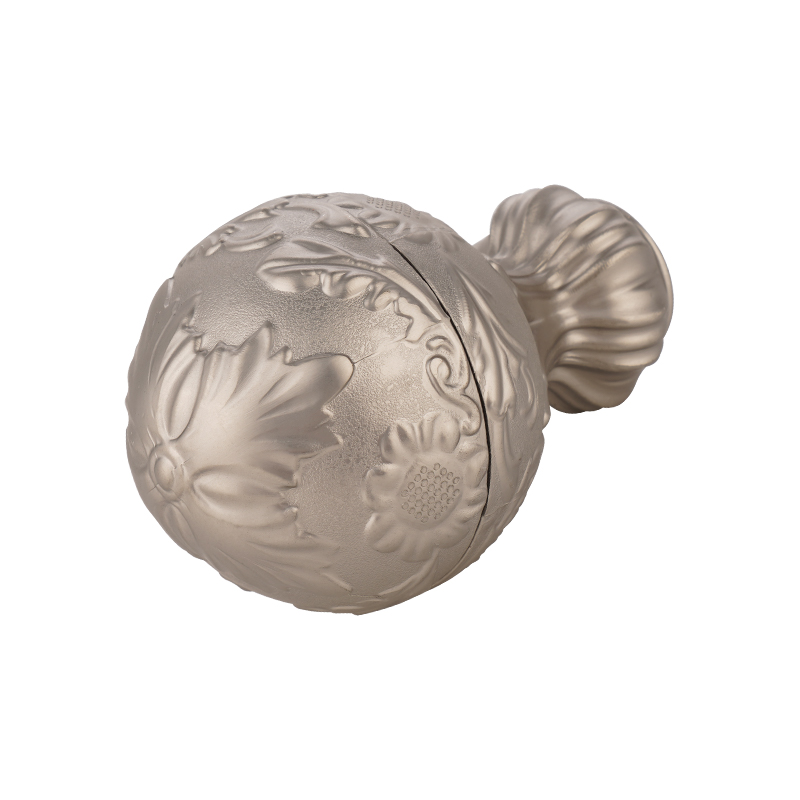
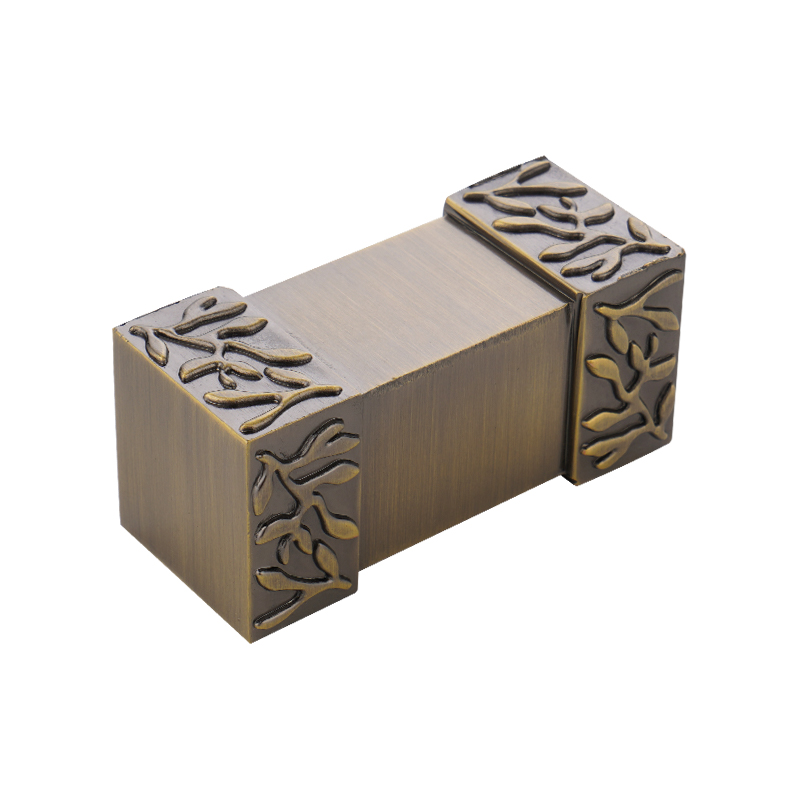
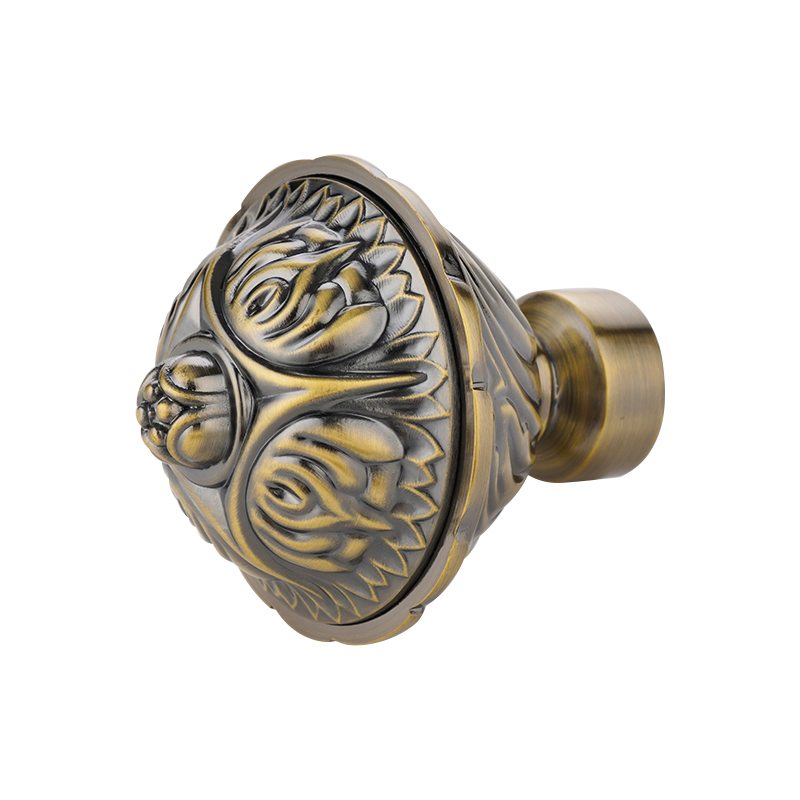
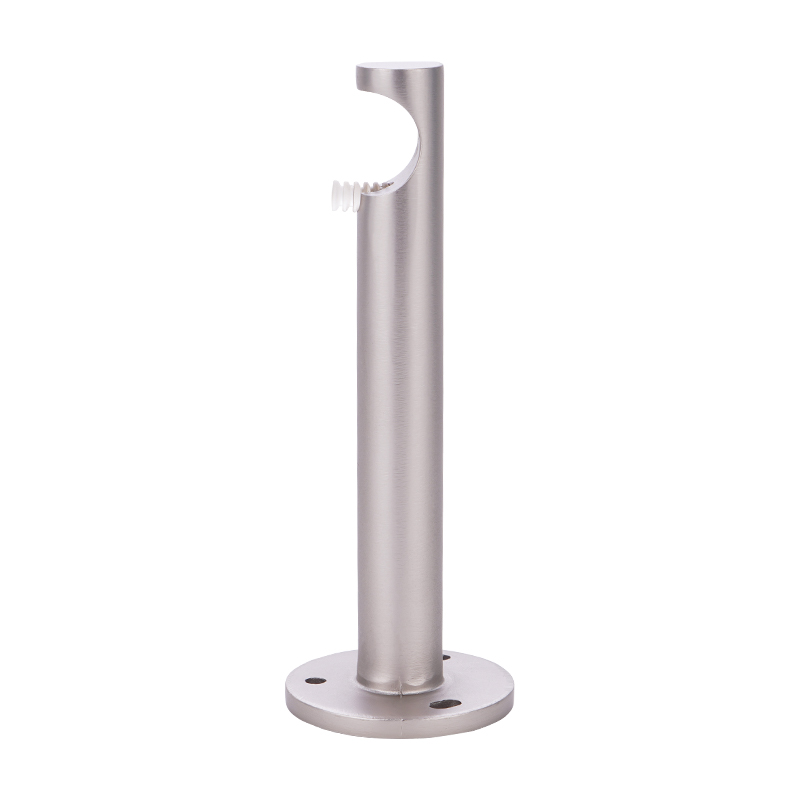
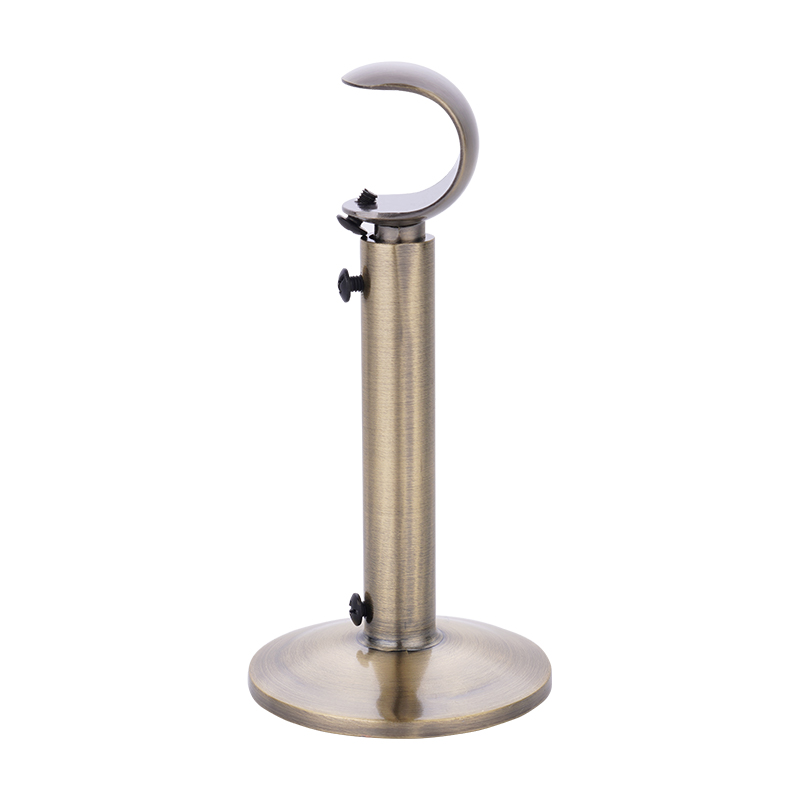
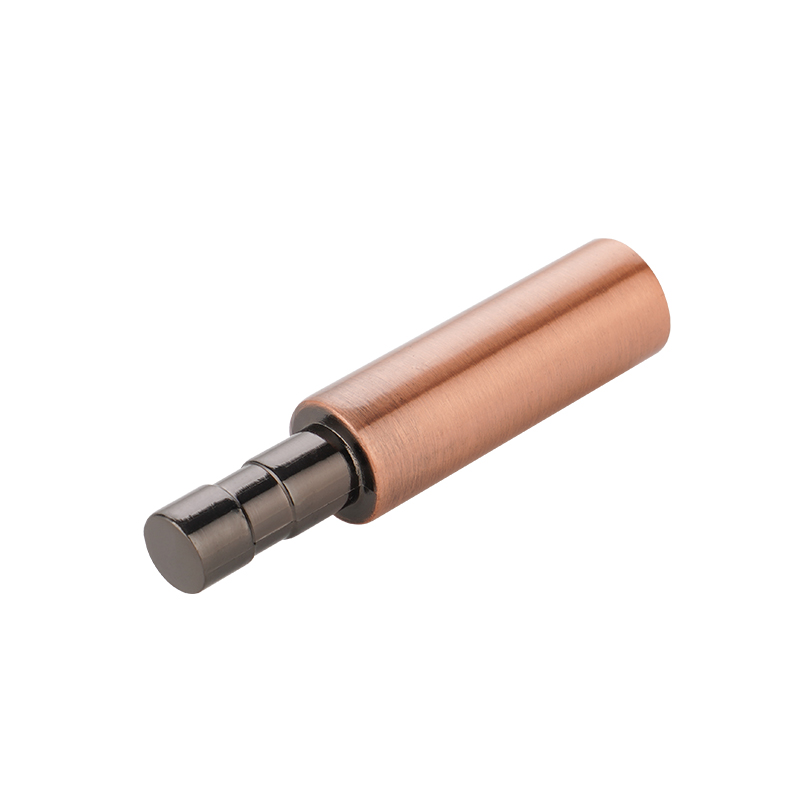
Metal finials are commonly made from materials like brass, steel, iron, or aluminum. These metals can be finished in a variety of ways to achieve different visual effects. For example, a brushed metal finish creates a subtle sheen, while a polished metal finish provides a more reflective surface. A matte metal finish can give the finial a sleek, modern appearance, while an antique or distressed finish can add a vintage or industrial feel. The versatility of metal materials allows for a wide range of design possibilities, from traditional to contemporary.
Glass finials are often chosen for their ability to reflect light and add an air of elegance to a room. Glass finials can be clear, frosted, or colored, and they often come in various shapes and sizes. When paired with a glossy or polished finish, glass finials can create a sparkling, luxurious look. They are often used in formal or upscale spaces such as living rooms or dining rooms. However, glass finials may not be the best choice for high-traffic areas or rooms with children due to their fragility.
Acrylic finials, made from a type of plastic, are another common option. These finials can mimic the appearance of glass or metal but tend to be more durable and lightweight. Acrylic finials can be finished in glossy, matte, or frosted styles, offering flexibility in design. They are particularly popular in contemporary and modern spaces, where their clear, crisp appearance complements minimalist or sleek decor.
Choosing the Right Color for Curtain Finials
The color of curtain finials can have a significant impact on the overall aesthetic of a room. Just like surface finishes, color plays a crucial role in defining the visual appeal of the space and ensuring that the finials complement the curtains, walls, and furniture. The color of the finials should either blend in seamlessly with the rest of the decor or serve as an accent piece that adds contrast and interest.
Neutral colors such as black, silver, gold, and bronze are some of the most popular choices for curtain finials. These colors are versatile and can easily match a wide range of decor styles. Black finials, for instance, provide a modern, understated look that works well in both contemporary and industrial settings. Silver and chrome finishes are often used in more modern or minimalist rooms, offering a sleek, polished look that pairs well with neutral-colored curtains or furniture. Gold and bronze, with their warm and elegant tones, are often chosen for more traditional or vintage-inspired interiors, bringing a touch of luxury to the space.
Wooden finials are typically available in natural wood tones such as oak, walnut, or mahogany. These colors can add a sense of warmth and texture to a room, particularly in spaces with rustic or traditional decor. Lighter wood tones, such as maple or pine, are often used in casual or beach-inspired rooms, while darker wood finishes like walnut or cherry are more suited for formal settings or spaces that require a richer, more refined aesthetic.
In addition to traditional metallic or wood colors, more vibrant or bold colors can be used for curtain finials, especially in rooms where the finials are intended to make a statement. For example, colorful finials in hues like red, teal, or deep purple can create a focal point that adds personality to a room. These colors are often used in spaces with eclectic or bohemian decor, where a mix of colors and textures creates a dynamic and expressive atmosphere.
For rooms with specific color themes, such as a monochromatic or accent color scheme, choosing finials that match or complement the dominant color can help tie the room together. Matching the curtain finials to the color of the curtain rod or other accessories in the room, such as light fixtures or furniture, can create a cohesive and harmonious look. Alternatively, contrasting colors can be used to make the finials stand out and draw attention to the curtain setup.
The Effect of Curtain Finial Color on Room Aesthetics
The color of curtain finials can influence the overall ambiance of a room in various ways. Light-colored or metallic finials, for instance, can make a room feel brighter and more open. Finials in light wood tones, white, or silver reflect more light, which can help create a sense of airiness and openness in smaller rooms or spaces with limited natural light. These colors can also contribute to a clean and fresh aesthetic, making them ideal for modern, Scandinavian, or minimalist interiors.
On the other hand, darker-colored finials, such as those in black, deep brown, or antique gold, can create a more intimate and cozy atmosphere. Dark colors tend to absorb light, which can give a room a sense of depth and warmth. Dark finials are often used in more formal or traditional spaces, where their rich tones add a sense of elegance and sophistication. They can also help create contrast when paired with lighter-colored curtains or walls, making the curtain rods and finials stand out as focal points.
Bold and vibrant-colored finials, like red, blue, or green, can add energy and personality to a room. These colors are typically used in more creative or playful spaces, such as home offices, children's rooms, or eclectic living areas. Brightly colored finials can become statement pieces in the room, drawing attention and creating visual interest. However, it’s important to balance these colors with the rest of the room's decor to avoid overwhelming the space with too much contrast.