English
 中文简体
中文简体
 русский
 Español

Introduction to Curtain Rail Installation
Installing a curtain rail correctly is essential to ensuring that your curtains are securely hung and can bear their weight without risk of falling or becoming misaligned. The weight of curtains varies depending on the material, size, and style, making it important to consider these factors when selecting the right curtain rail and installation method. This article explores how to ensure that the curtain rail is securely installed, what factors affect its ability to hold weight, and how to carry out the installation in a way that maximizes safety and functionality. A well-installed curtain rail not only enhances the look of your room but also ensures that the curtains remain functional over time without any issues.
Choosing the Right Curtain Rail
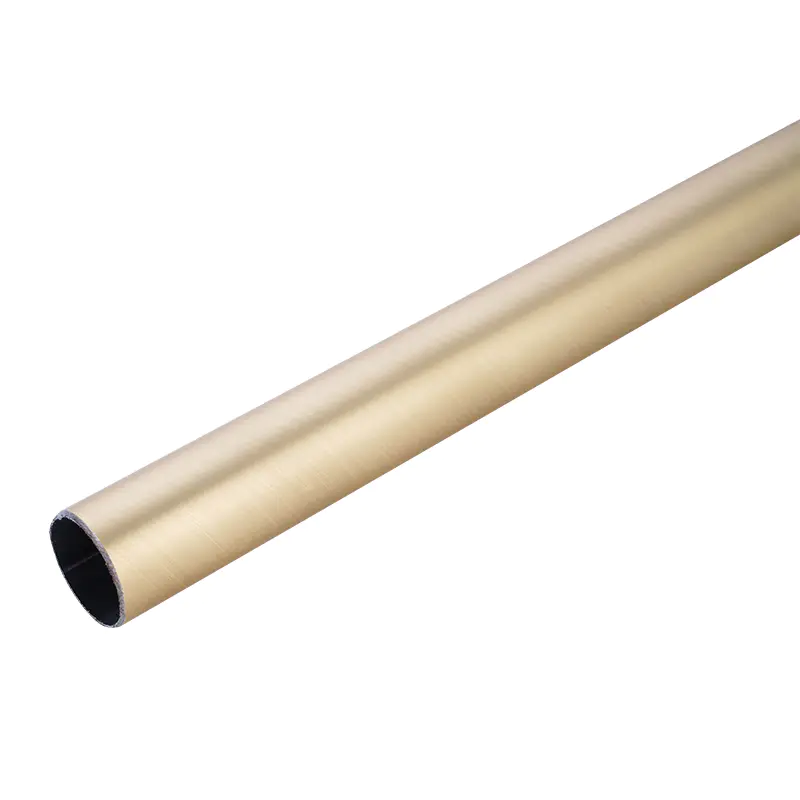
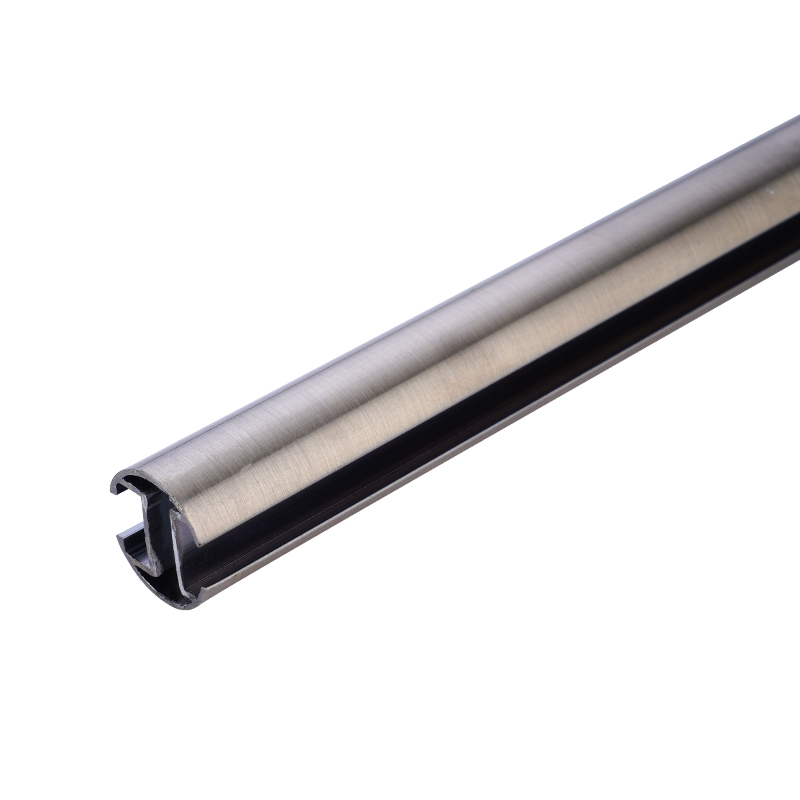
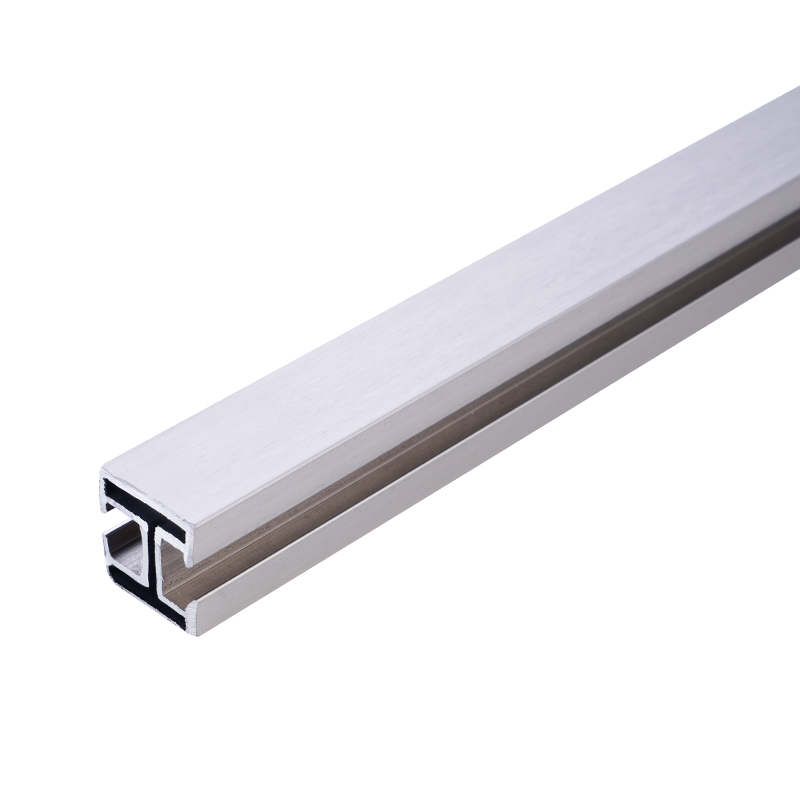
The first step in ensuring a secure curtain rail installation is selecting the right type of rail. Curtain rails come in various materials, including metal, wood, and plastic, and each material has its own load-bearing capacity. Metal rails, for example, are generally stronger than wooden or plastic ones, making them better suited for heavy curtains. Additionally, consider the style of rail, as some systems, such as ceiling-mounted tracks, are better suited for heavy or large curtains compared to wall-mounted options. The length and design of the curtain rail are also important—longer rails or those designed to hold multiple panels require more robust support mechanisms.
Assessing the Weight of the Curtains
Before installing the curtain rail, it is essential to assess the weight of the curtains you plan to hang. Curtains made of heavier fabrics such as velvet, brocade, or thick linen will require a sturdier rail and more support points than lighter fabrics like cotton or polyester. Knowing the weight of the curtains will guide your choice of curtain rail and the type of wall fixtures you need. For example, heavier curtains will require strong, secure brackets and more anchor points in the wall to distribute the weight evenly, reducing the likelihood of the rail coming loose.
Choosing the Correct Fixings and Brackets
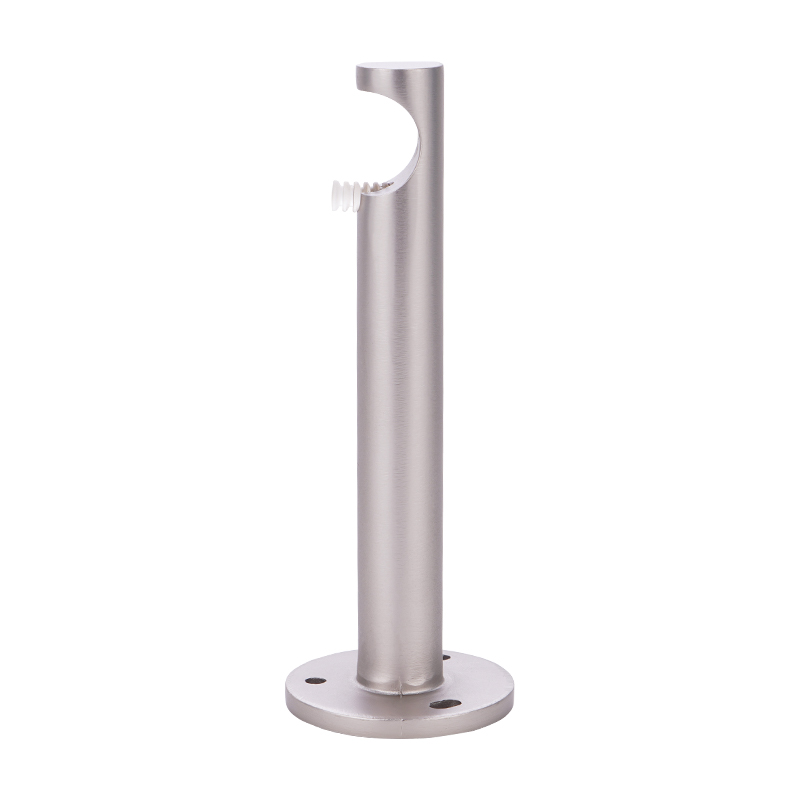
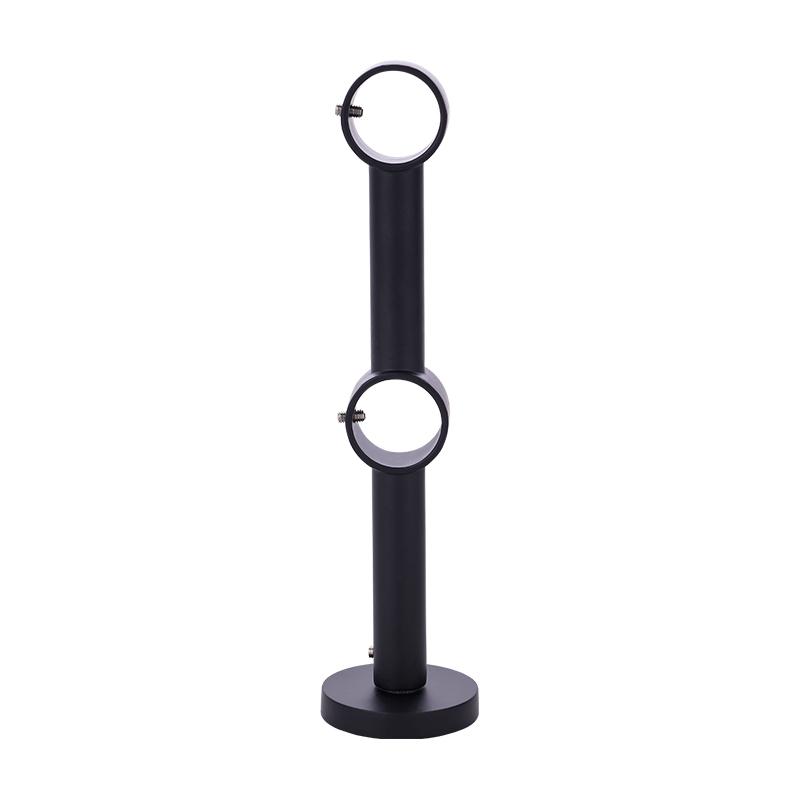
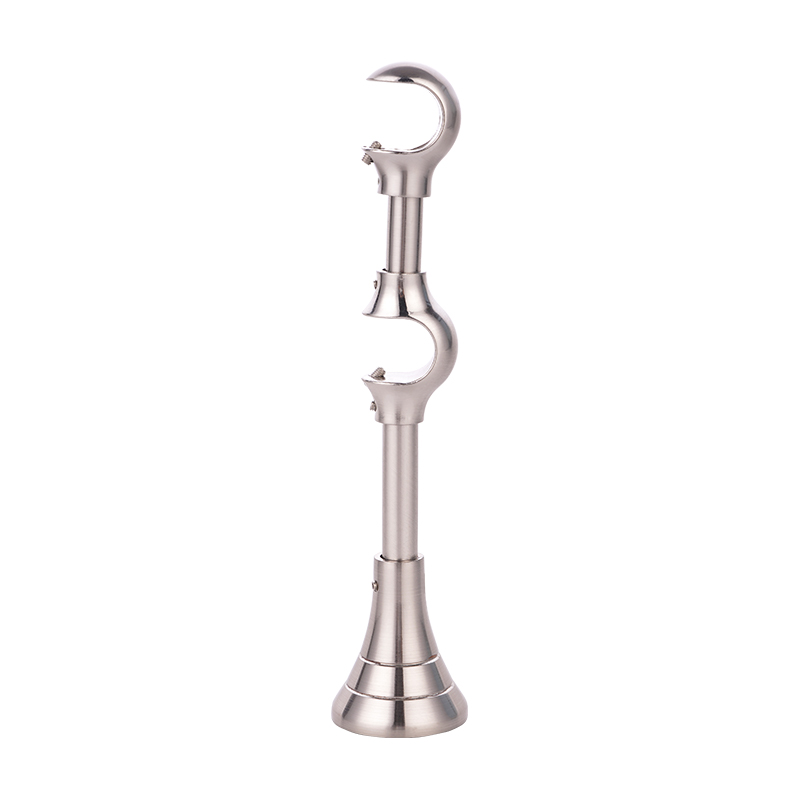
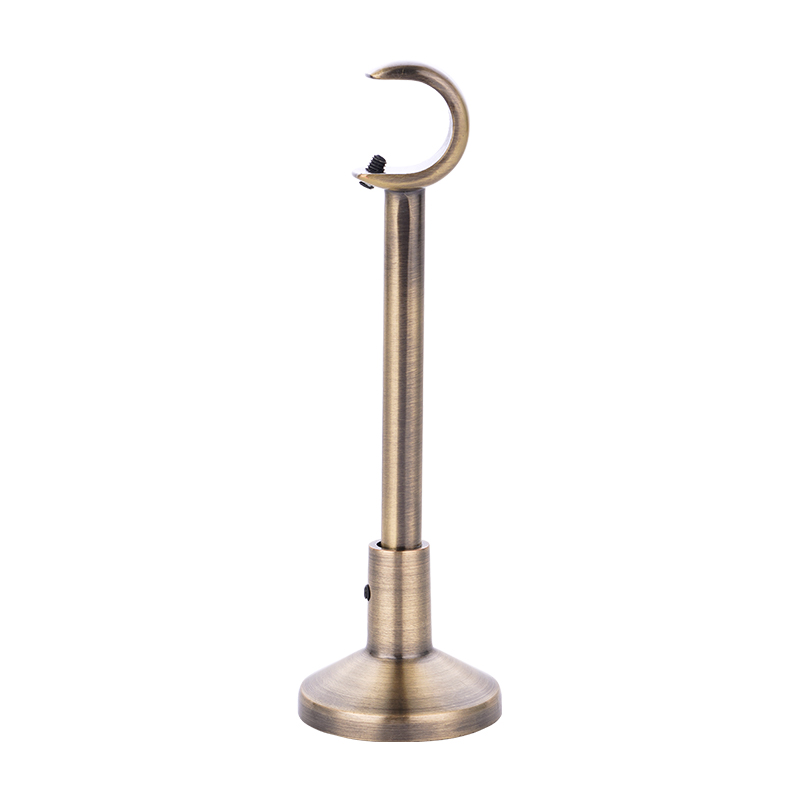
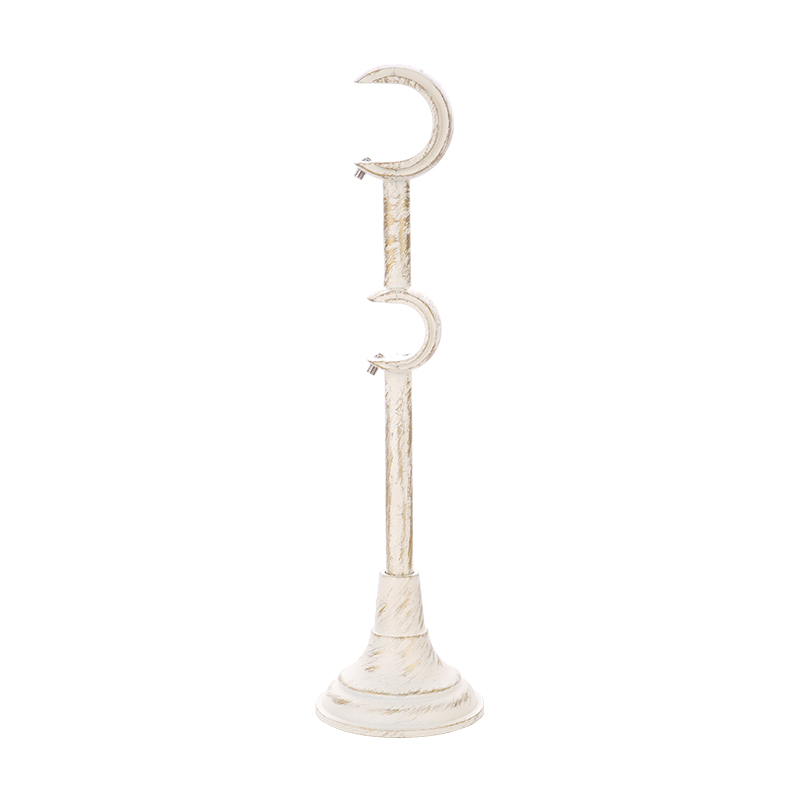
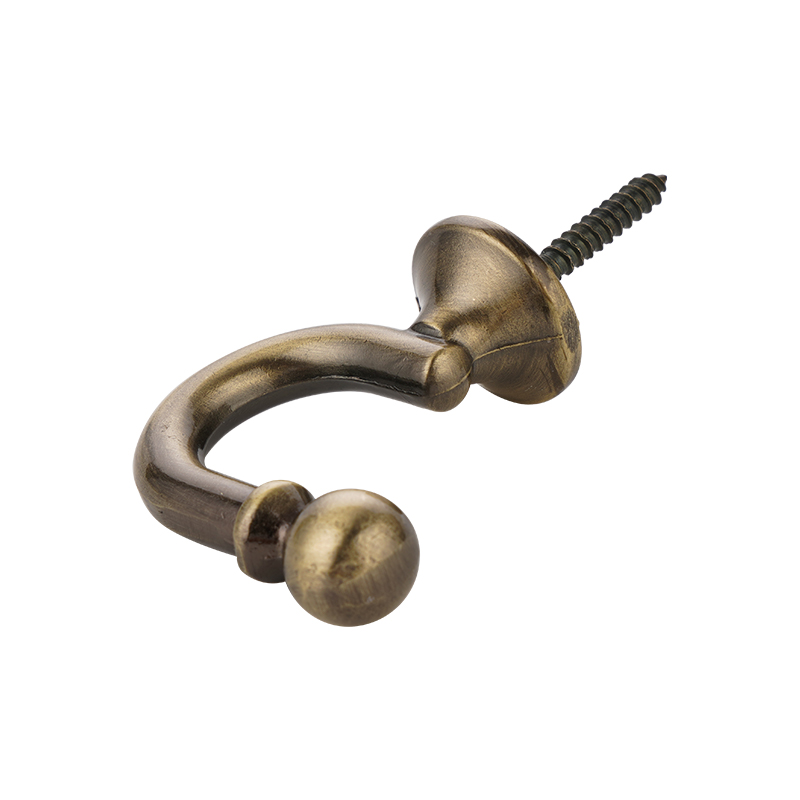
Once you’ve selected the right curtain rail, the next step is to choose the correct fixings and brackets for installation. Fixings are the components that attach the rail to the wall, and they vary depending on the type of wall material you are working with. For example, drywall requires different fixings than brick or plaster. Use strong brackets that can support the weight of the curtain rail and ensure that the brackets are spaced properly along the length of the rail. The more brackets you use, the better the distribution of weight will be. Typically, brackets should be spaced about 60 cm apart, but this distance may vary depending on the size and weight of your curtains. Additionally, heavy-duty brackets are necessary for heavier curtains to prevent the rail from sagging over time.
Understanding the Wall Material
The type of wall you are installing the curtain rail on is crucial to ensuring the system can hold the weight of the curtains securely. Different wall materials, such as plaster, drywall, or brick, require different types of fixings and anchors. For instance, drywall requires plastic anchors or toggle bolts to prevent the fixings from pulling out, whereas brick or concrete walls typically need masonry anchors. It's important to determine the type of wall material in your home and select the appropriate fixing solution to ensure that the curtain rail is securely anchored. If you're unsure about the type of wall you have, consulting a professional or using a stud finder tool can help you make an informed decision.
Installation Techniques for Secure Curtain Rail Fixing
Once you have the correct materials and tools, it is time to install the curtain rail. The installation process begins by measuring and marking the position of the rail on the wall. It’s important to ensure that the rail is positioned at the correct height and is level, as uneven placement can lead to the curtains hanging crookedly. Use a measuring tape and a spirit level to ensure accuracy. Once the rail is positioned correctly, mark the points where the brackets will be placed. These points should align with the studs or solid areas of the wall to provide the strongest support. If you are mounting on drywall or a similar material without studs, make sure to use the appropriate anchors to hold the brackets securely.
Drilling Holes and Fixing the Brackets
After marking the bracket positions, the next step is to drill holes in the wall for the fixings. Use a drill bit that is appropriate for your wall material. For example, use a masonry drill bit for brick or concrete walls, and a standard drill bit for drywall. When drilling, make sure to drill deep enough to accommodate the anchors, but avoid drilling too deep or large, as this could weaken the wall. Once the holes are drilled, insert the wall anchors (if necessary) and then attach the brackets using screws. Tighten the screws securely, but be careful not to overtighten, as this could damage the brackets or the wall material.
Attaching the Curtain Rail
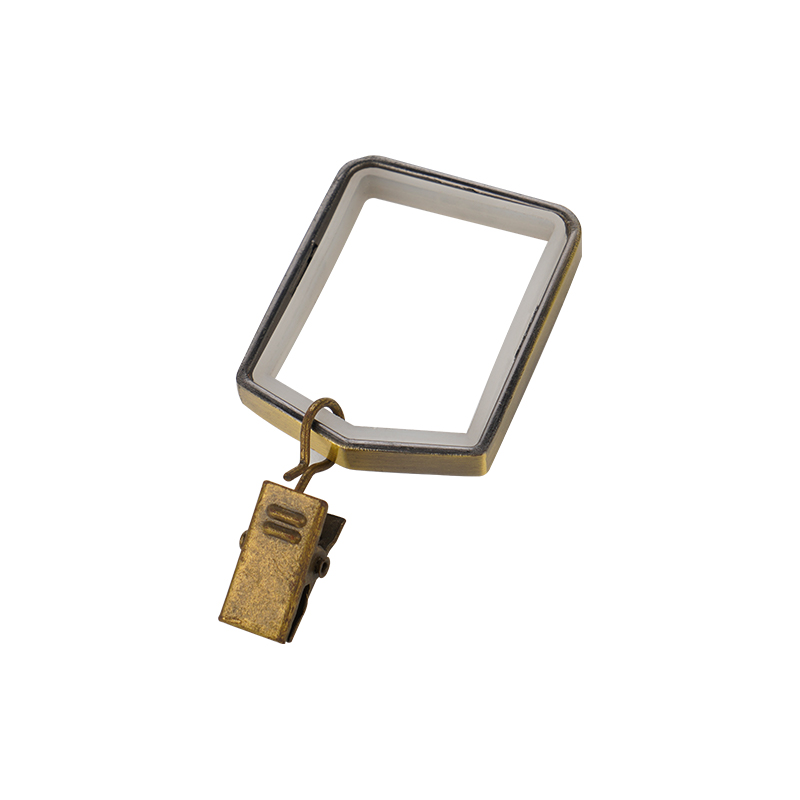
After the brackets are securely fixed to the wall, it is time to attach the curtain rail. Depending on the type of curtain rail, this may involve simply placing the rail onto the brackets or securing it with screws or clips. If your curtain rail comes with clips or hooks, ensure they are evenly spaced to prevent any uneven pressure distribution. Once the rail is attached, give it a gentle shake to test its stability. The rail should feel firmly in place, with no wobbles or movement. If any movement is detected, check the brackets and fixings to ensure they are properly secured.
Load Testing and Adjustments
Once the curtain rail is installed and the curtains are hung, perform a load test to ensure that the rail can support the weight of the curtains without any issues. Gently pull on the curtains to check for stability and see if the rail holds up under the weight. If the rail sags or the brackets seem to shift, you may need to add additional brackets or use stronger fixings. For heavier curtains, it is recommended to use additional support brackets in the middle of the rail to prevent any sagging. If you notice any issues during the load test, make adjustments to the brackets or fixings accordingly.
Regular Maintenance of Curtain Rails
Once the curtain rail is securely installed, regular maintenance can help ensure that it continues to hold the weight of the curtains properly over time. Check the rail and brackets periodically for any signs of wear, loosening, or damage. If you notice any of these issues, it’s essential to address them promptly before they compromise the stability of the curtain rail. Tighten any loose screws or fixings, and ensure that the anchors are still secure in the wall. Additionally, check for any damage to the curtain hooks or clips, as these can affect the overall functionality of the rail. By maintaining the curtain rail and brackets, you can help extend their lifespan and keep the curtains functioning properly.
Choosing the Right Curtain Style and Material
The weight of the curtains themselves plays a significant role in the overall stability of the curtain rail. Lighter fabrics like cotton or polyester are less likely to put stress on the rail and may not require as many brackets or heavy-duty fixings. However, heavier curtains such as velvet, linen, or lined curtains can exert more weight on the rail, potentially causing sagging or instability. It is important to match the curtain material with the appropriate rail type and fixing system to ensure that the curtain rail can handle the weight without failure. If heavy curtains are desired, consider using a curtain rail designed specifically for heavier loads, and be sure to space the brackets more closely together for better support.
Potential Issues and Troubleshooting
Even with careful installation, there may be some common issues that arise with curtain rails over time. These include sagging, rail misalignment, or difficulty in sliding the curtains smoothly. Sagging can occur when the brackets are spaced too far apart or when the curtain rail is not strong enough for the weight of the curtains. To address this, consider adding extra brackets or reinforcing the rail with stronger fixings. If the curtains are not sliding smoothly, check for any obstructions in the rail or ensure that the curtain hooks are properly aligned. Misalignment can be corrected by adjusting the position of the rail or re-drilling the holes for the brackets to achieve a level and even installation.
Ensuring Long-Term Stability
To ensure that a curtain rail is installed securely and can support the weight of the curtains, it is important to select the right materials, fixings, and installation techniques. Assessing the weight of the curtains, choosing strong and appropriate brackets, and ensuring the wall is compatible with the fixings all play a role in creating a secure installation. Regular maintenance and load testing can also help prolong the life of the curtain rail system. With careful planning and attention to detail, you can enjoy the benefits of securely hung curtains that will last for many years to come.