English
 中文简体
中文简体
 русский
 Español

Anti-Slip Features in Curtain Finishes
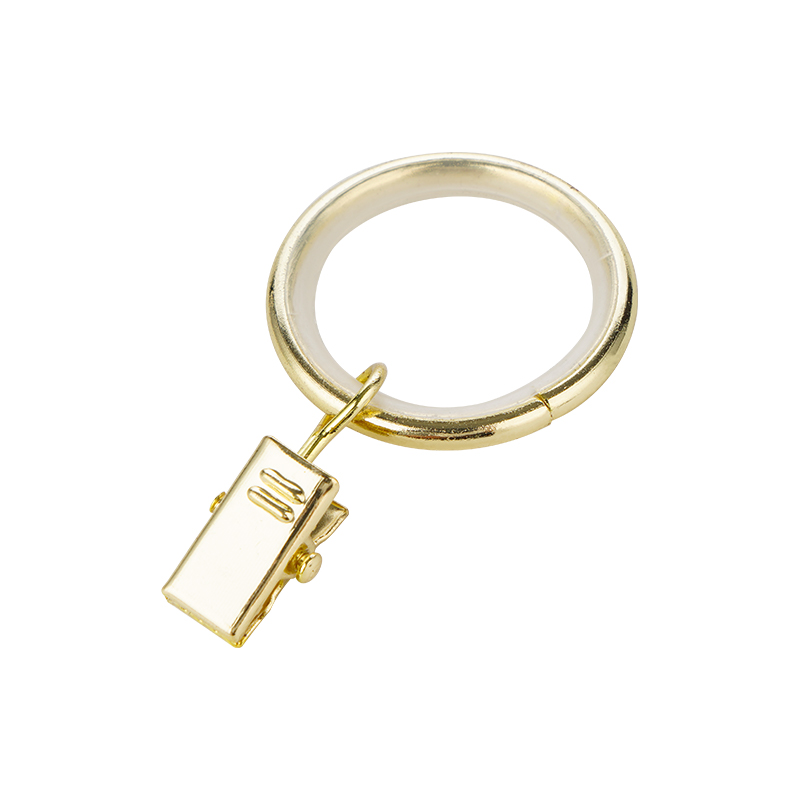
Modern curtain finishes are increasingly designed with anti-slip characteristics to ensure stability when hanging. Anti-slip features may include silicone or rubberized coatings on the curtain hem, specially textured fabrics, or weighted hems that help keep the curtain in place. These designs prevent curtains from sliding along rods or tracks, maintaining their intended position and appearance. Anti-slip functionality is particularly important for heavier curtains or those installed in high-traffic areas, as it reduces the frequency of adjustments and helps preserve the alignment of the fabric over time. Some curtain systems also integrate clips or fasteners that work in combination with anti-slip finishes to further enhance stability.
Anti-Fall Designs for Safety
Curtains are often installed at heights or in locations where accidental detachment could pose safety risks. Anti-fall designs are incorporated into curtain finishes to minimize this hazard. Features may include reinforced header tapes, secure grommets, or attachment systems that distribute weight evenly across the mounting points. These measures prevent sudden detachment and reduce the risk of injury or damage to property. Anti-fall finishes are particularly valuable in commercial settings, such as offices or hotels, where curtains may be frequently adjusted or where children may have access to the area. By enhancing the stability of the curtain at the top, these designs contribute to both safety and durability.
Anti-Damage Considerations in Curtain Finishes
Durability is a key concern in curtain design, and anti-damage finishes aim to reduce wear and tear over time. Protective coatings, abrasion-resistant fabrics, and reinforced stitching are common methods used to enhance longevity. Anti-damage features may also include treatments that resist fading from sunlight or moisture, preserving both the function and aesthetic of the curtain. In addition, some finishes incorporate flexible or stretchable components in high-stress areas, allowing the fabric to absorb tension without tearing. These designs are particularly useful for curtains that are frequently drawn or washed, maintaining their integrity under repeated use.
Key Design Features for Curtain Safety and Durability
| Feature | Description | Benefit |
|---|---|---|
| Anti-Slip Hem | Textured or weighted hems that prevent sliding | Maintains curtain position and alignment |
| Reinforced Header | Strengthened top edge with secure grommets or tapes | Prevents curtain detachment and enhances safety |
| Abrasion-Resistant Fabric | Fabrics or coatings that withstand friction | Reduces wear and prolongs curtain lifespan |
| Sunlight and Moisture Protection | Protective finishes that resist fading or water damage | Maintains visual appearance and fabric strength |
| Flexible Stress Points | Reinforced stitching or stretchable components | Prevents tearing under frequent use |
Materials Contributing to Anti-Slip and Anti-Damage Properties
The selection of materials is critical for curtains to achieve anti-slip, anti-fall, and anti-damage properties. Heavier fabrics naturally resist movement along rods, while certain synthetic fibers offer enhanced friction or flexibility. Silicone, rubber, and other polymer coatings can be applied to the curtain hem or other key areas to improve grip and prevent movement. Abrasion-resistant fibers or blended fabrics contribute to the durability of the curtain, reducing the likelihood of tearing or fraying over time. Manufacturers often select materials that balance weight, flexibility, and strength to meet the specific needs of the installation environment.
Impact of Curtain Finish Design on Functionality
Curtain finishes play an essential role in the overall functionality of the product. Anti-slip and anti-fall finishes enhance stability, ensuring that curtains remain in place and operate smoothly. Anti-damage features reduce maintenance needs, extend product lifespan, and maintain aesthetic appeal. Thoughtful design of finishes also improves user experience, as curtains are easier to handle, draw, and maintain. These functional considerations are especially important in environments where curtains are used frequently or exposed to dynamic conditions, such as in commercial spaces, public areas, or homes with pets and children.
Installation and Maintenance Considerations
Even with anti-slip, anti-fall, and anti-damage finishes, proper installation and maintenance are necessary for optimal performance. Ensuring that rods or tracks are level and securely mounted reduces strain on the curtain and its finishes. Regular cleaning, according to the material’s specifications, helps maintain protective coatings and fabric integrity. Checking for signs of wear, such as loosening grommets or fraying edges, allows timely intervention before significant damage occurs. Following these practices enhances the effectiveness of the designed finishes and prolongs the functional lifespan of the curtain.
Recommended Curtain Finishes for Different Applications
| Application | Recommended Finish Features |
|---|---|
| Home Living Room | Weighted hems for anti-slip, reinforced header for stability |
| Children’s Room | Anti-slip hem, secure grommets, abrasion-resistant fabric |
| Office or Commercial Space | Reinforced header, flexible stress points, sunlight-resistant coating |
| Bathroom or Kitchen | Moisture-resistant coating, anti-slip hem, easy-clean surface |
| High-Traffic Areas | Anti-slip hem, anti-fall header, abrasion-resistant fabric |
Integration of Multiple Protective Features
Many modern curtain designs integrate multiple protective features to offer comprehensive benefits. For example, a curtain may combine an anti-slip hem with reinforced grommets and abrasion-resistant fabric to maintain both safety and durability. Flexible stress points and protective coatings work together to reduce the impact of frequent handling and environmental exposure. By combining these features, manufacturers create curtains that remain functional, stable, and visually appealing over extended use. Users benefit from reduced maintenance, improved safety, and consistent performance in a variety of settings.