English
 中文简体
中文简体
 русский
 Español

Why Mini Cafe Rods and Curtain Hooks Work Best as a Pair
A 30-inch window above the kitchen sink is the classic spot for a cafe curtain. You want light through the top half of the glass, privacy for the bottom half, and a curtain that stays close to the frame. A full-size drapery rod with standard hooks looks oversized there. A mini cafe rod fits the space, but only when it is paired with the right curtain hooks.
Mini cafe rods differ from standard rods in three ways: they span shorter distances, they mount inside the window frame or just outside it, and they are designed for lighter fabric. They are also opened and closed far more often than a formal drape, which means the hooks slide along the rod every day. That daily movement is where the pairing decision matters.
Standard curtain hooks often fail on mini cafe rods. Most regular hooks are sized for 25-35mm rods, with a deep hook profile and a clip eye far wider than a slim rod. On a small-diameter rod, that hook wobbles, catches on brackets, or slips off when the rod flexes. A hook sized for a mini rod keeps a small, consistent clearance, moves smoothly, and does not scrape the rod finish.
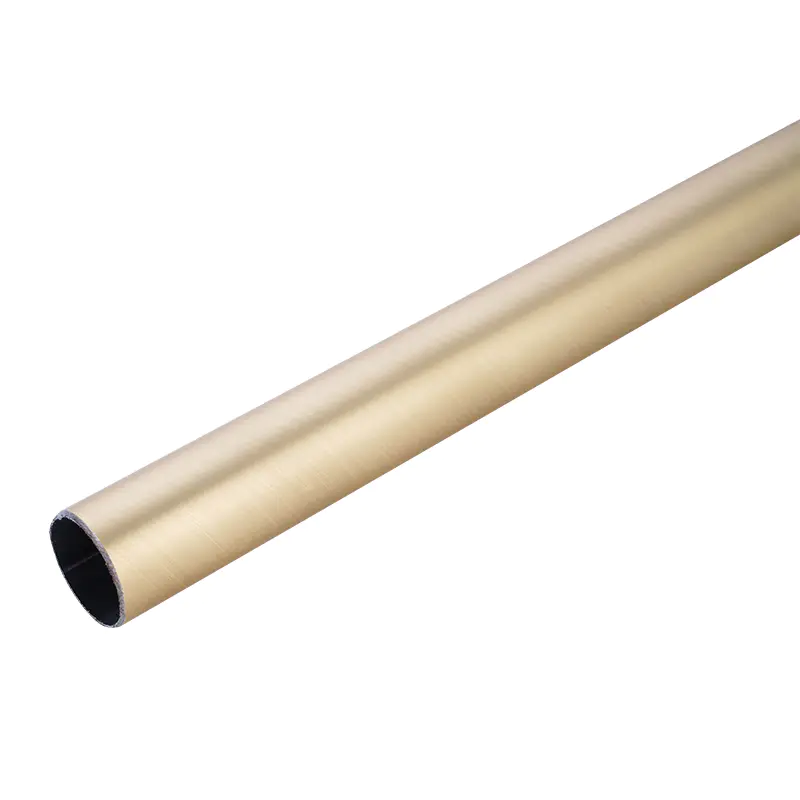
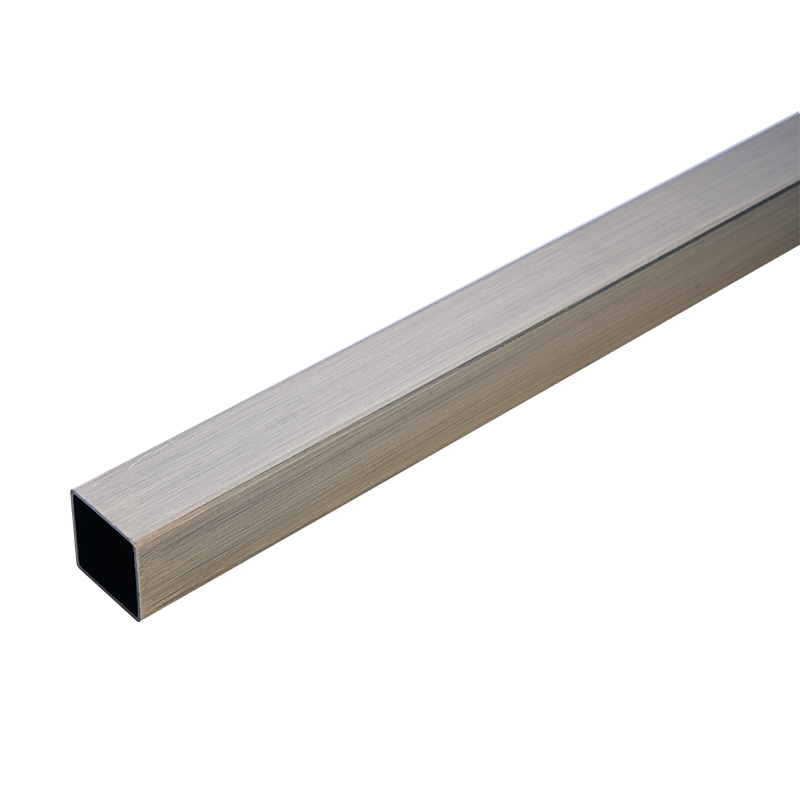
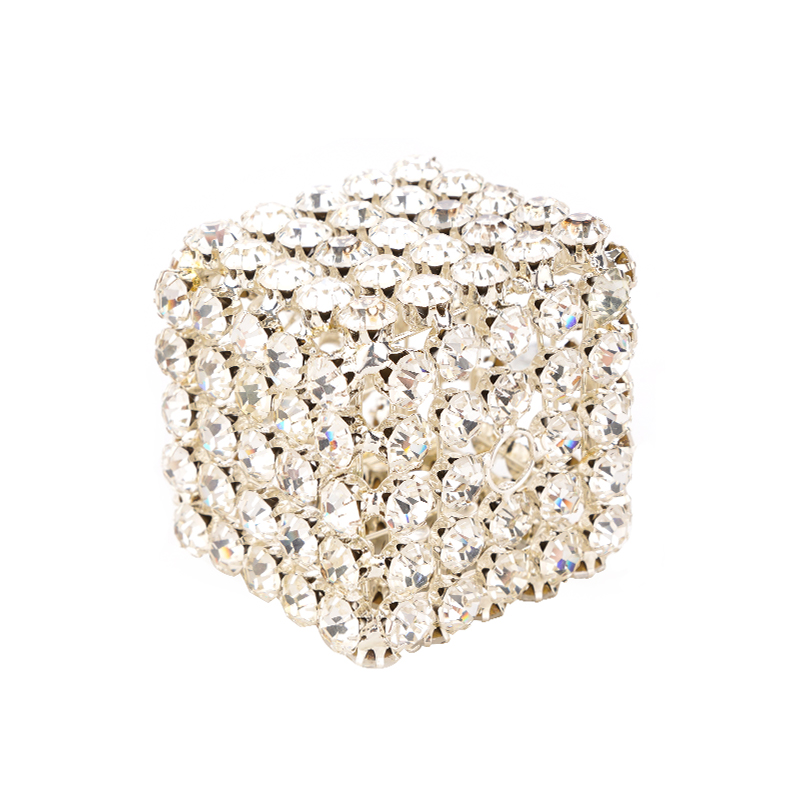
Because juoudeco.com manufactures both sides of the pairing, the sizing logic stays consistent across the product line. You can browse the mini cafe rod collection, which includes three models — crystal, cylinder, and miniball — while the factory in Ningbo has been producing curtain hardware since 2006 with more than 500 molds across rods, hooks, rings, finials, and brackets.
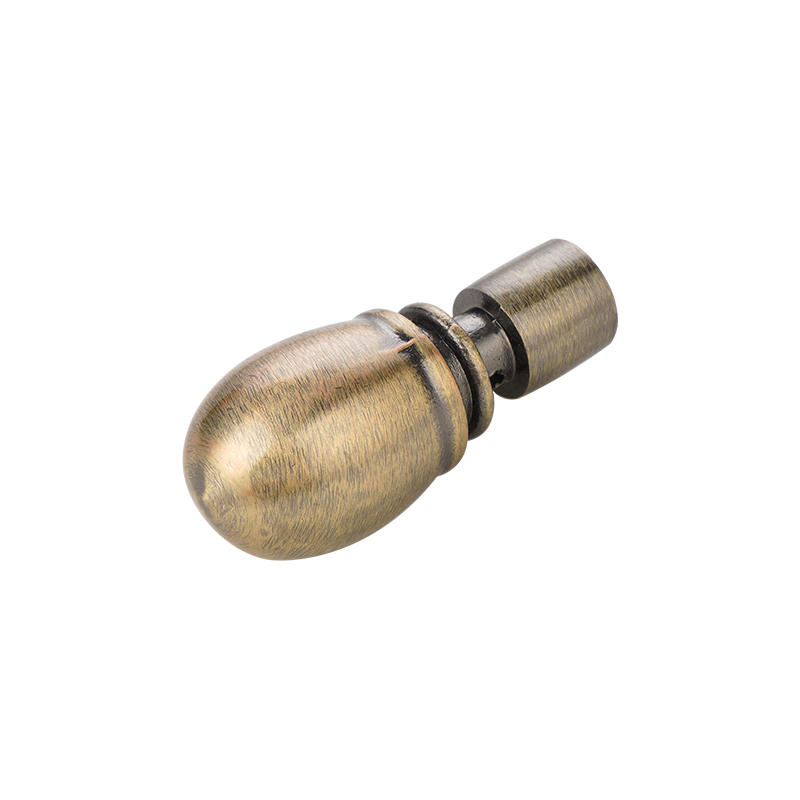 OEM/ODM Mini Cafe Rod Manufacturers, Mini Cafe Rods FactoryAs professional China mini cafe rod manufacturers and mini cafe rods factory, Ningbo Juou Decoration Co., Ltd. offer kinds of OEM/ODM min...View Product →
Curtain Hook Types Explained: Aluminum, Zinc Alloy, and Crystal
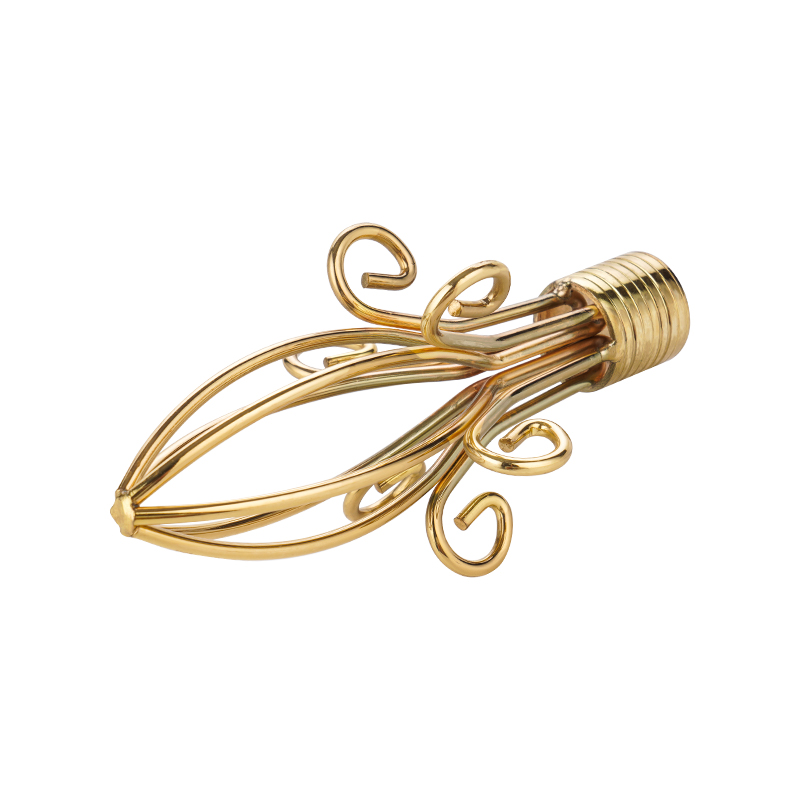
Once the rod is chosen, the hook controls how the curtain hangs, how smoothly it moves, and how long the finish lasts. Three material families cover almost every cafe curtain setup: aluminum, zinc alloy, and crystal. Each behaves differently on a slim rod, so the choice should follow the fabric and the room rather than the price alone. Before comparing, explore available curtain hook types to see the range.
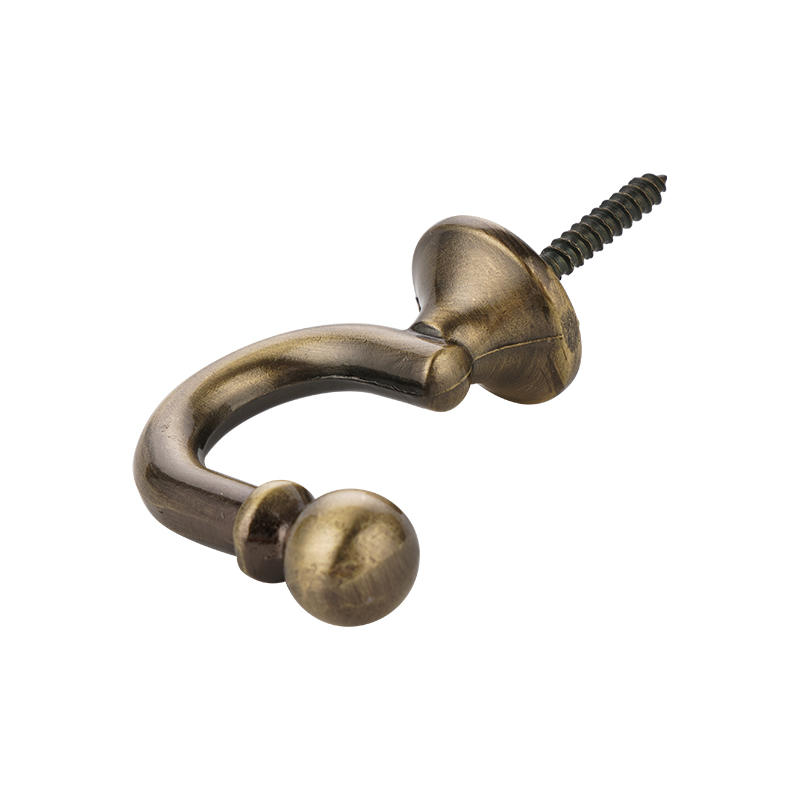 OEM/ODM Curtain Hook Manufacturers, Curtain Hooks FactoryNingbo Juou Decoration Co., Ltd. is professional China curtain hook manufacturers and curtain hooks factory, we offer OEM/ODM curtain hoo...View Product →
Aluminum Hooks: Lightweight and Rust-Resistant
Aluminum hooks are the default for light cafe curtains. They open and close easily, resist rust, and cost little to replace. For a cotton or sheer curtain in a dry room, they are a sensible match. Because the factory runs its own painting line, aluminum hooks can also be finished in a range of colors, which matters when the hook sits visibly against a window frame.
The tradeoff is strength. Aluminum is softer than zinc alloy, so a hook forced onto a slightly oversized rod can deform at the clip. Match aluminum hooks to their rod size and reserve them for lighter fabrics.
Zinc Alloy Hooks: Heavier Gauge for Added Durability
Zinc alloy hooks are the better choice for thicker cafe curtains — linen blends, heavier cottons, or fabrics that must keep their drape. The material is die-cast rather than stamped, and that difference matters. A die-cast hook holds its shape at the clip and at the tip, so the spacing stays uniform for years. It also creates a smoother contact surface where the hook meets the rod, which reduces scratching during daily opening and closing.
The manufacturer's two electroplating lines give zinc hooks an even, corrosion-resistant finish, and that shows quickly in a humid kitchen or bathroom. If durability is your priority, see our zinc alloy curtain hooks.
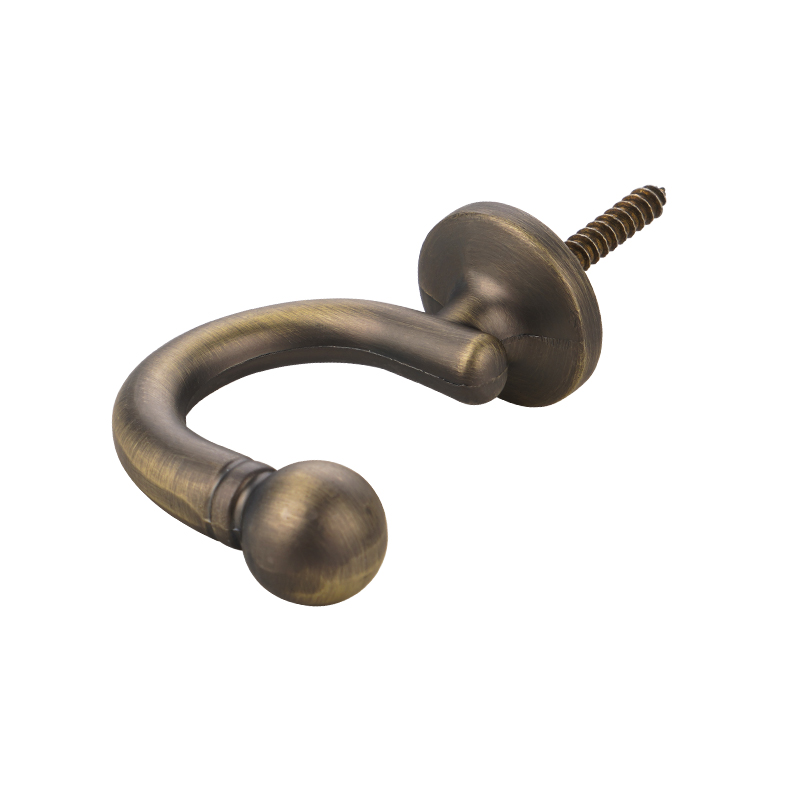 Wholesale Zinc Alloy Curtain Hooks Suppliers, Manufacturers - Ningbo Juou DecoraNingbo Juou Decoration Co., Ltd. is China wholesale Zinc Alloy Curtain Hooks suppliers and Zinc Alloy Curtain Hooks manufacturers, detail...View Product →
Crystal Hooks: Decorative Appeal for Visible Installations
Crystal hooks are the decorative option. When the rod is installed without a valance or curtain box, the hooks become part of the room's design. Faceted crystal hooks catch the light and add detail to a kitchen or dining window in a way plain metal cannot. The crystal curtain hook series on this site exists for exactly that kind of visible installation.
The catch is weight. Crystal is heavier than aluminum or zinc alloy, so confirm that the rod and bracket spacing can handle the combined load of hooks plus fabric. On longer spans, space crystal hooks slightly closer to spread the weight across more points.
How to Match Curtain Hook Size to Your Mini Cafe Rod Diameter
The most common mistake in a cafe curtain setup is choosing a hook whose clip eye is the wrong size for the rod. The rule is simple: the inner diameter of the hook's clip or eye should be about 2-3mm larger than the rod's outer diameter. That clearance lets the hook slide freely without wobbling, binding, or scraping the rod surface.
The consequences run in both directions. An oversized hook sits loosely and can slip off the rod end when the curtain is pulled across the span. An undersized hook binds against the rod and drags through the finish, leaving visible marks where the curtain rests while open.
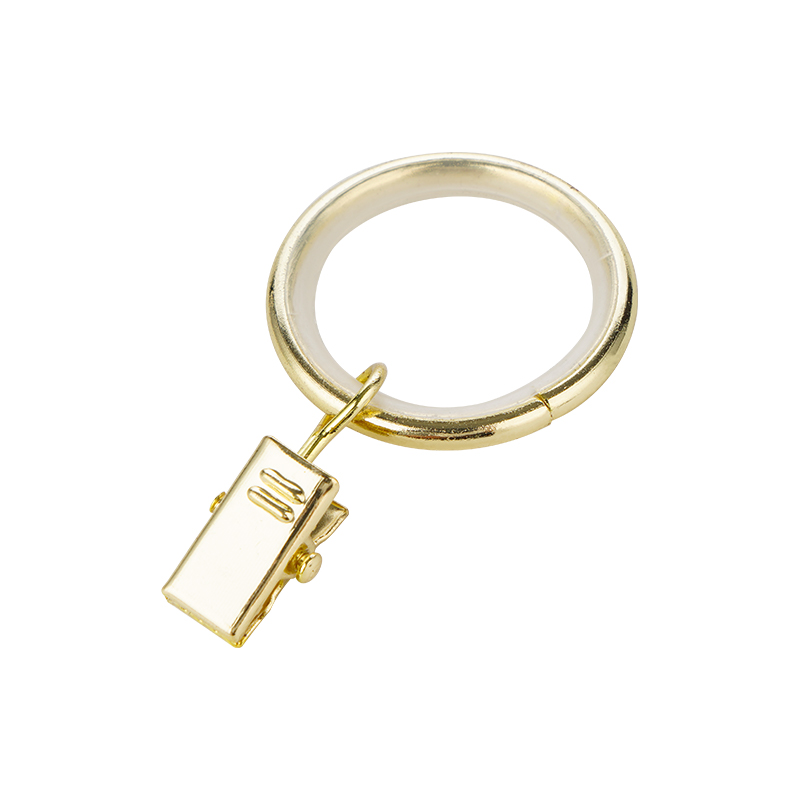
If you use rings instead of direct hooks, the same principle applies one step earlier: the ring's inner diameter must match the rod, and the hook then attaches to the ring. The curtain ring range on this site covers 16mm, 19mm, 20mm, and 25mm openings, which maps well onto the slim profiles used for cafe curtains. For direct-hook setups, measure before you order.
- Measure the rod's outer diameter at the center, not at the finial, using a caliper or a ruler with millimeter marks.
- Measure the inner diameter of the hook eye; for pinch-clip hooks, measure the clip opening at its narrowest point.
- Look for a clearance of roughly 2-3mm. For a 16mm rod, choose a hook eye around 18-19mm inside diameter; for a 19mm rod, around 21-22mm.
- If the hook is a stud or screw-in type, check that its socket clears the rod wall, not just the opening.
The smooth surface of the cylinder cafe rods model leaves no tolerance for an oversized clip, which makes it a good reference when checking hook sizes. When in doubt between two hook sizes, choose the smaller one: a metal hook can be gently opened a fraction, but a too-large hook cannot be reliably shrunk.
Step-by-Step: Installing Your Mini Cafe Rod with Curtain Hooks
Installation is straightforward if you handle the three variables in order: bracket position, bracket mounting, and hook attachment.
Step 1: Measure Your Window and Mark Bracket Positions
Decide first whether the rod mounts inside the window frame or on the wall outside it. Inside mounting keeps the curtain close to the glass and is standard for kitchens; outside mounting adds visual height and works well when the frame is narrow.
- Inside mount: measure the exact inner width of the frame at the level where the rod will sit. The rod should be slightly shorter than the frame so the finials clear the frame sides.
- Outside mount: add 4-6 inches to the window width so the curtain clears the glass when fully open.
- Bracket positions: mark the brackets 2-4 inches from each end of the rod, not at the very tips.
Step 2: Install the Brackets
Hold each bracket against the marked position and check it with a level before drilling. For drywall, drill a pilot hole and insert the correct wall anchor; for wood frames, a pilot hole alone is usually enough. Screw the bracket in until snug, then confirm both brackets are level. A rod that slopes by a quarter inch will make the curtain slide to one side on its own.
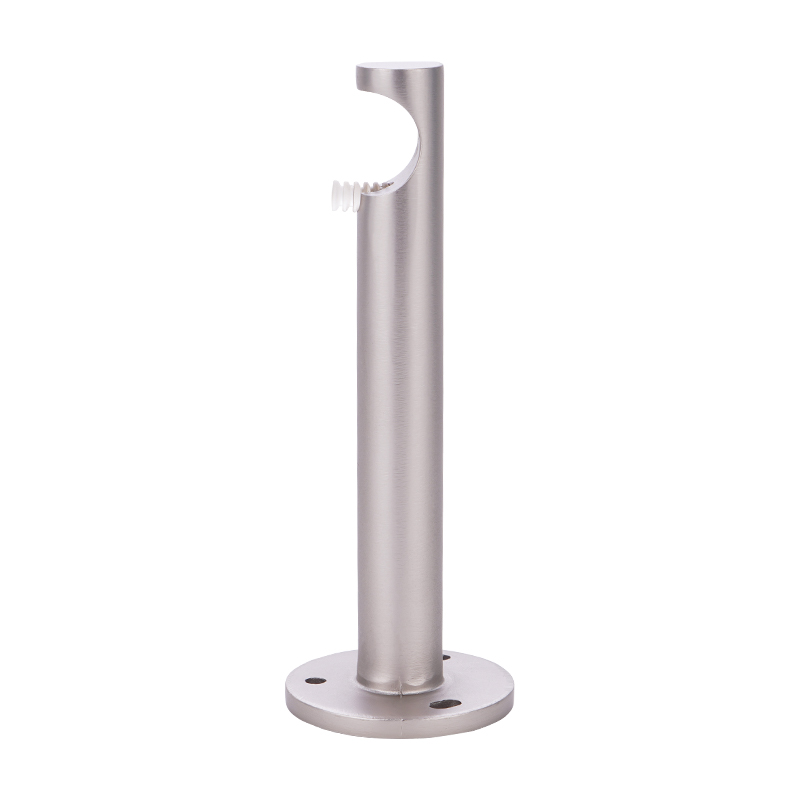
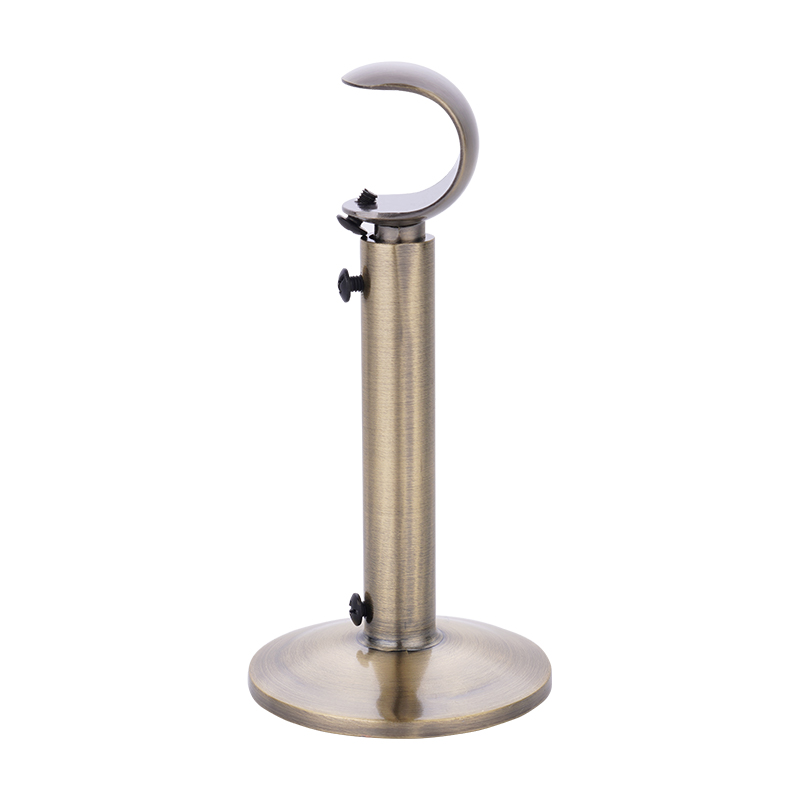
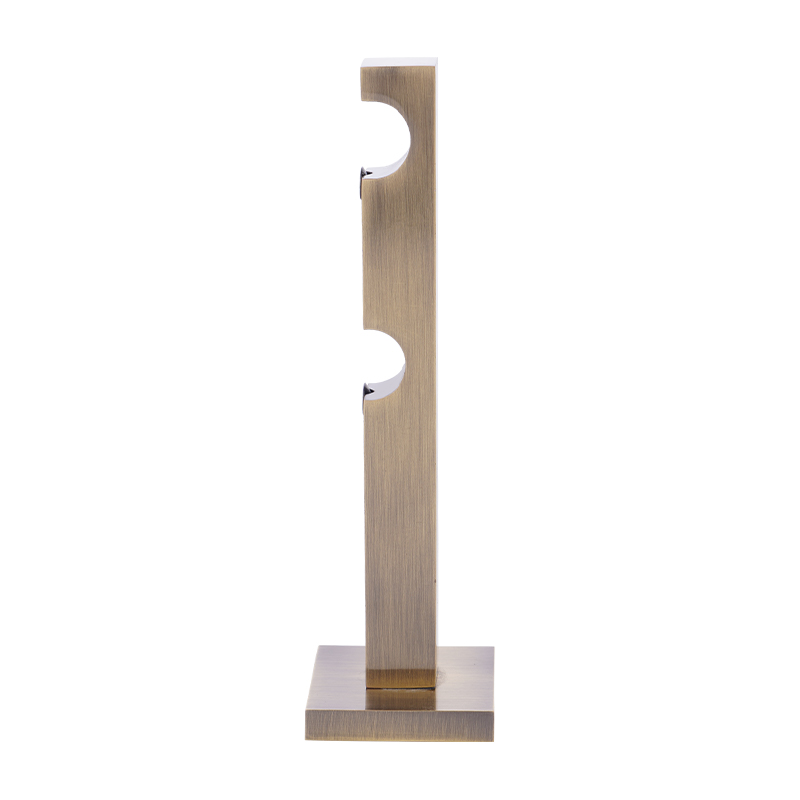
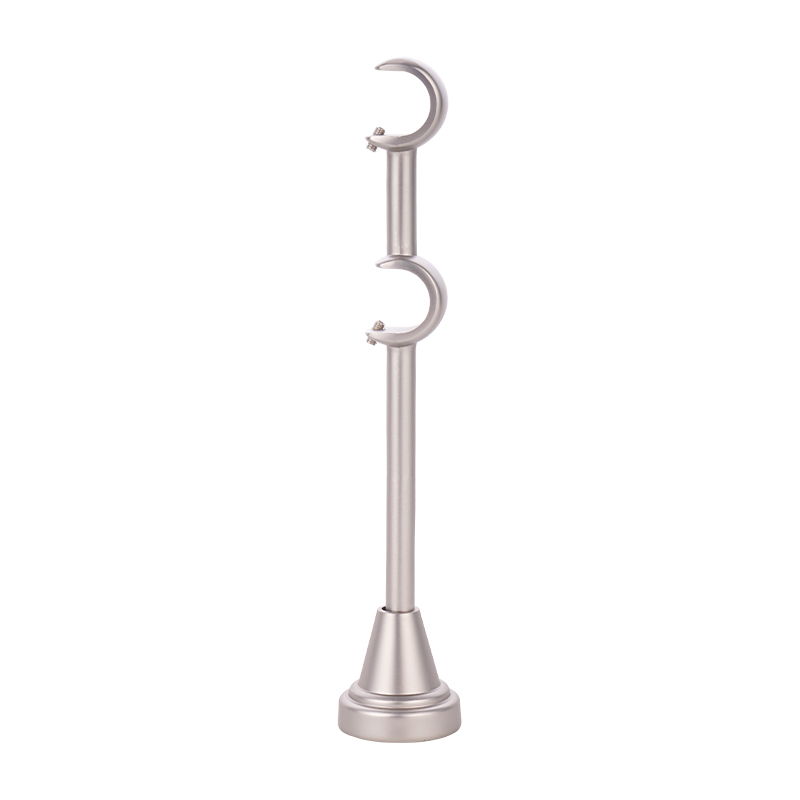
Make sure the bracket receiver matches your rod diameter. The matching curtain brackets range on this site includes wall, ceiling, and closed styles, so the receiver size can be confirmed before installation rather than discovered after the rod droops.
Step 3: Attach Curtain Hooks to Your Cafe Curtain
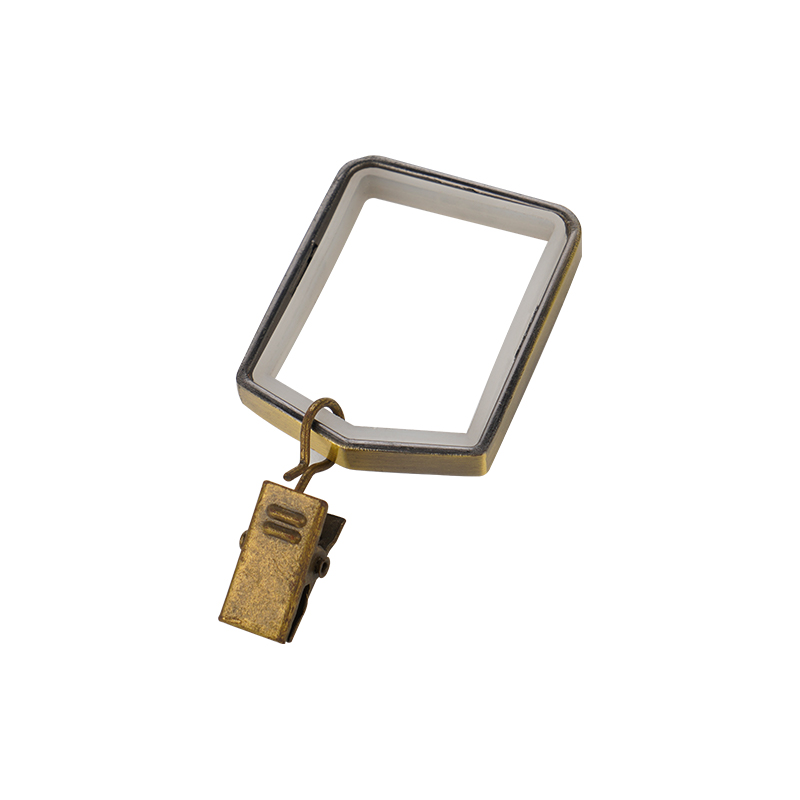
Two hook styles cover most cafe curtains. Pinch-clip hooks clamp onto the top edge of the fabric and are the fastest to use. Sew-in hooks slide into the header tape of a gathered curtain: insert the hook tip through the tape slots and let the hook eye hang below. Work from the center of the curtain outward, placing one hook every 3-4 inches. Uneven spacing shows immediately in the fold pattern.
If you use rings, attach each hook to a ring first, then thread the rings onto the rod. That arrangement reduces friction between the hook and the rod and makes the curtain easier to pull.
Step 4: Hang the Rod and Adjust
Set the rod into the bracket receptacles and confirm it sits level and centered. Pull the curtain across the full span and watch how the hooks move. If a hook catches at a bracket, adjust its position slightly. If the curtain drags, the hooks are spaced too far apart and each one is carrying too much fabric; add a hook rather than forcing the fabric.
Curtain Hook Spacing and Weight Considerations
The practical starting point is 4-6 hooks per foot of curtain width. Light sheers work well at 4; medium cottons and linens at 5; heavy blackout or velvet curtains need 6 or more. Hook density does two jobs: it keeps the folds even and it spreads the fabric weight across the rod.
The weight logic runs in a chain. Each hook has a load limit, so the number of hooks determines how much weight reaches the rod's top edge. The rod then carries that distributed load across its span. For heavy fabrics, adding hooks is cheaper and more effective than switching to a heavier rod, because a distributed load is what prevents sagging.
| Fabric weight | Hooks per foot of width | Recommended hook material |
|---|---|---|
| Light (sheer, voile, thin cotton) | 4 | Aluminum |
| Medium (cotton, linen blend) | 5 | Zinc alloy |
| Heavy (blackout, velvet, thick linen) | 6 | Zinc alloy with closer bracket spacing |
There is also a long-term shape argument for better materials. Stamped aluminum hooks can bend slightly when the curtain is pulled hard, which changes the spacing and produces uneven folds. Die-cast zinc alloy holds its geometry, so the fold pattern stays consistent for the life of the curtain. In factory terms, the contact between a smooth, plated hook eye and a painted rod surface is what keeps daily opening and closing quiet and smooth.
Caring for Your Mini Cafe Rod and Curtain Hooks
Most problems after installation are maintenance problems rather than product defects. Rod finish and hook plating fail gradually, and the failures usually start in the kitchen because of humidity and grease.
Clean the rod with a soft dry cloth. Avoid abrasive cleaners and steel wool, which remove paint or plating in one pass. On electroplated surfaces, avoid acidic cleaners including vinegar-based ones, which dull the plating. Wiping the rod once a month in a kitchen is enough; a light grease film actually protects the finish, but left alone it becomes a sticky layer that catches dust.
Inspect the hooks on the same schedule. In a humid kitchen, plating can lift at the clip bend, the point of highest stress. Zinc alloy hooks can be hand-washed with mild detergent and fully dried; aluminum hooks only need a wipe. If a hook shows rust or flaking plating, replace it immediately, because the rough surface will scratch the rod every time the curtain moves.
If the curtain starts to feel rough when sliding, apply a micro amount of silicone lubricant to the contact point where the hook eye meets the rod. Do not use oil-based lubricants; they attract dust and turn into a paste that makes sliding worse. Once a year, retighten the bracket screws, since wood frames and drywall anchors loosen slightly with temperature changes and daily pulling.
Handle the pairing logic from the start, and the maintenance stays minor. The factory behind these rods and hooks — operating since 2006 with two electroplating lines, two painting lines, and an annual capacity of more than 100 containers — treats surface finish as a durability feature rather than decoration. According to the company, every production step is inspected before packing, which is what you want from hardware that will be opened and closed daily for years.