English
 中文简体
中文简体
 русский
 Español

Bracket-mounted curtain rods hold significantly more weight and stay put over time better than tension rods, making them the better choice for heavy drapes and daily use, while tension rods install in minutes without drilling, making them ideal for rentals, closets, or lightweight curtains. The right curtain rods depend less on style preference and more on fabric weight, window size, and whether drilling into the wall is even an option.
Tension Rods vs Bracket-Mounted Curtain Rods
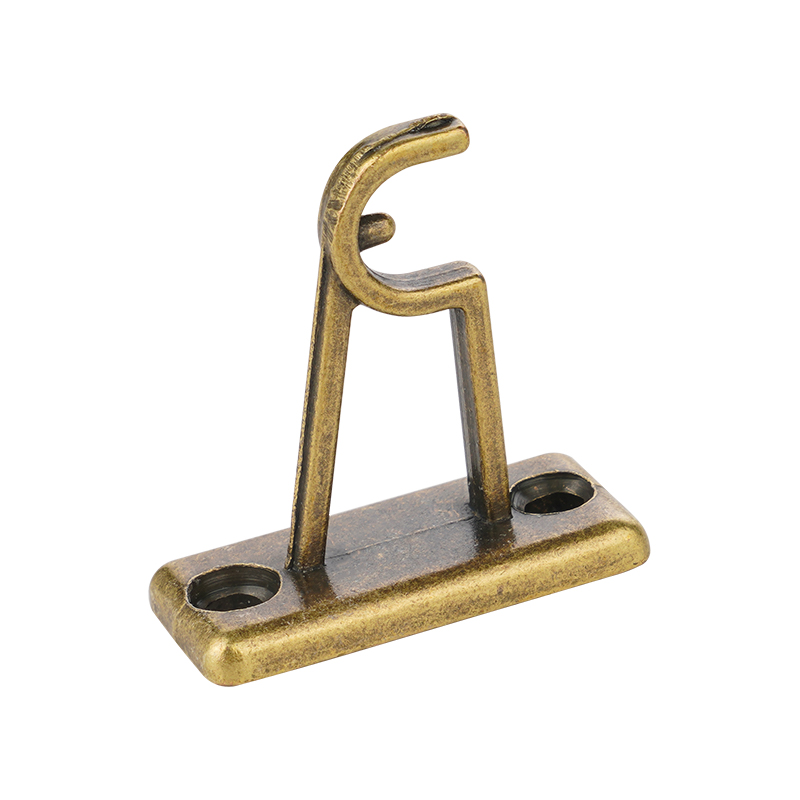
Both rod types serve the same basic function, but the way they anchor to a window makes a real difference in long-term performance. Tension curtain rods rely on spring pressure pushed outward against the inside of a window frame or wall gap, requiring no hardware or drilling. Bracket-mounted rods attach to the wall using screws and wall anchors, distributing weight across a fixed mounting point rather than relying on friction alone.
Tension Curtain Rods
- No drilling or hardware required
- Installs and removes in minutes
- Lower weight capacity, best for light fabrics
- Can slip or bow under heavier curtains over time
Bracket-Mounted Curtain Rods
- Requires drilling into wall or window frame
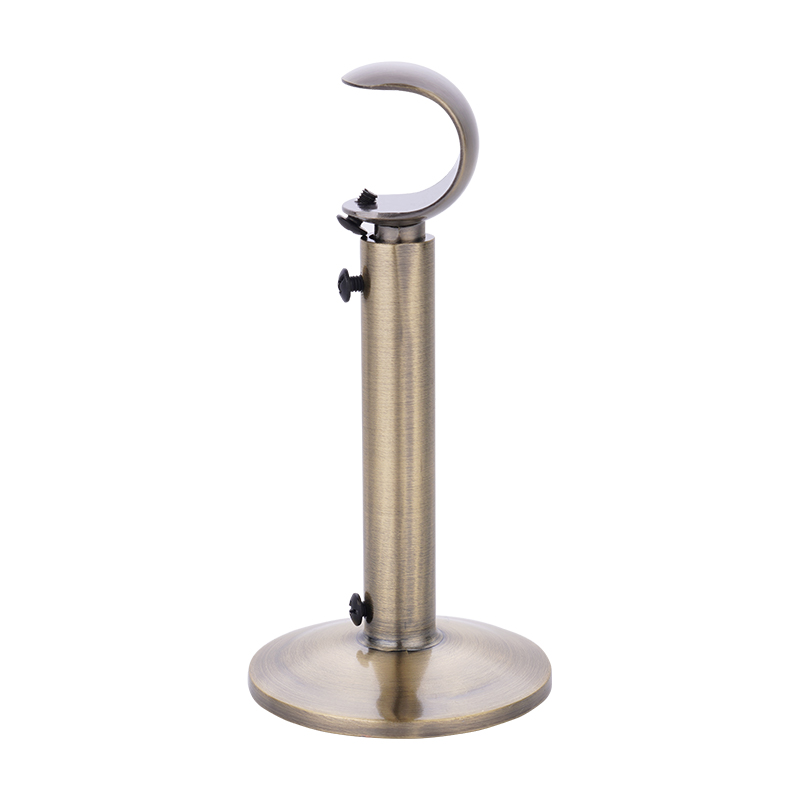
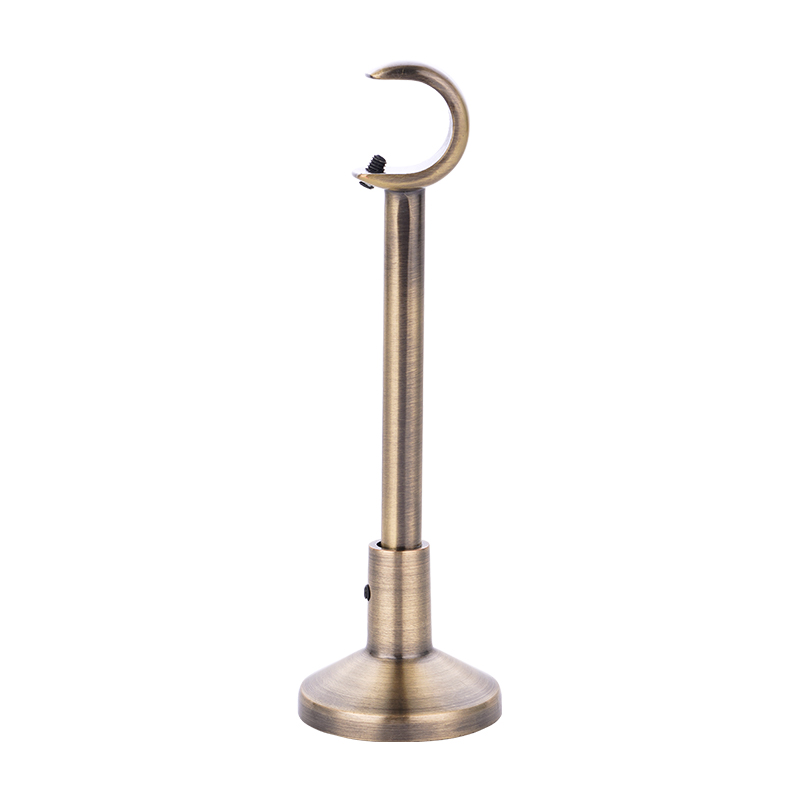
- Stable, fixed support point
- Higher weight capacity for heavy drapes
- Better suited to daily opening and closing
Matching Rod Material to Curtain Weight
The material a curtain rod is made from directly determines how much weight it can support without sagging in the middle, which becomes especially noticeable on wider windows spanning 60 inches or more.
| Rod Material | Typical Weight Capacity | Best Suited Fabric |
| Hollow aluminum | Light, 5–10 lb | Sheer curtains, cafe curtains |
| Steel tension rod | Moderate, 10–15 lb | Lightweight to mid-weight panels |
| Solid steel bracket rod | Heavy, 20–35 lb | Blackout curtains, layered drapery |
| Wrought iron | Very heavy, 35–50 lb | Heavy velvet or lined drapery panels |
A rod rated below the actual weight of the curtain panels will visibly bow at the center over a matter of weeks, which is one of the most common reasons curtain rods get replaced sooner than expected.
Rod Diameter and Why It Affects Both Look and Function
Diameter affects more than appearance — it determines how much fabric can slide smoothly across the rod and how much weight the rod can bear without flexing.
- Thin rods (around 5/8 inch): Suited to lightweight cafe curtains or small windows, but prone to sagging under heavier fabric.
- Standard rods (around 1 inch): The most common size for typical curtain panels and grommet-style curtains.
- Thick decorative rods (1.5 to 2 inches): Provide a bolder visual statement and greater rigidity, well suited to heavier or floor-length drapery.
Mounting Height and Width: Getting the Proportions Right
Where a curtain rod sits relative to the window frame has a significant visual effect, and this is an area where small adjustments create outsized improvements in how a room feels.
| Placement Factor | Recommendation | Effect |
| Height above frame | 4–6 inches above the window frame | Makes windows appear taller and ceilings higher |
| Width extension per side | 8–12 inches beyond the frame on each side | Allows curtains to fully clear the glass when open, maximizing natural light |
| Ceiling-mounted placement | Rod installed at or near ceiling line | Creates the illusion of significantly higher ceilings |
Wall Type and Anchor Selection for Bracket-Mounted Rods
Bracket-mounted curtain rods depend heavily on proper anchoring, and using the wrong anchor type for the wall material is one of the most common causes of a rod eventually pulling loose from the wall.
- Drywall without a stud: Requires toggle bolts or heavy-duty drywall anchors rated for the curtain's total weight, since screws alone in drywall pull out easily under load.
- Wall stud: Screwing directly into a stud provides the strongest hold and is preferred whenever a stud lines up with the desired bracket position.
- Plaster walls: Often require pre-drilling a pilot hole to prevent cracking around the anchor point before inserting screws or anchors.
- Tile or stone surrounds: Need masonry anchors and a drill bit rated for the material, since standard drywall anchors won't hold in these surfaces.
Double and Triple Rod Systems for Layered Window Treatments
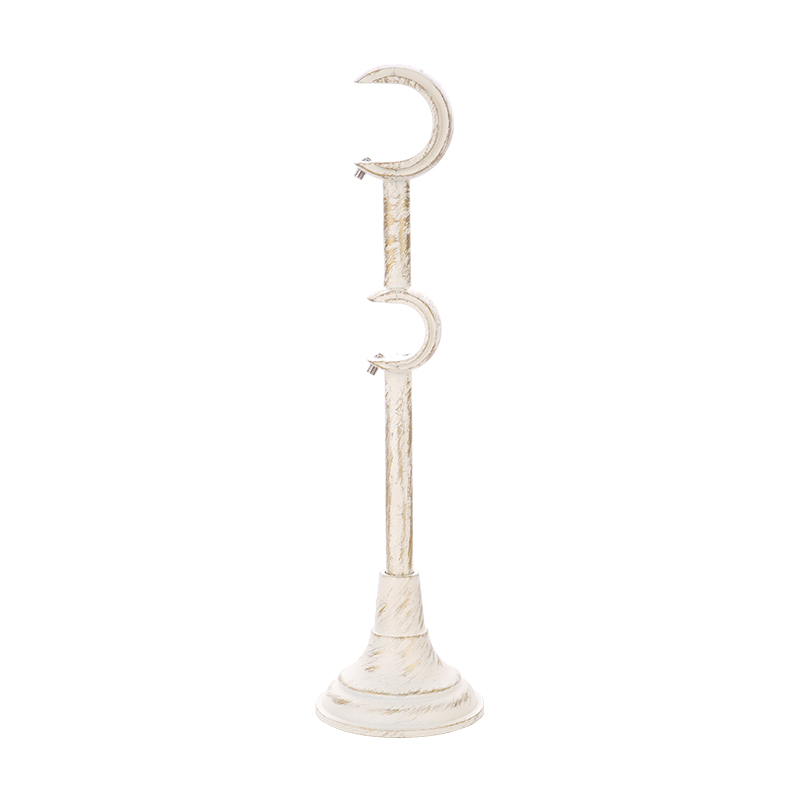
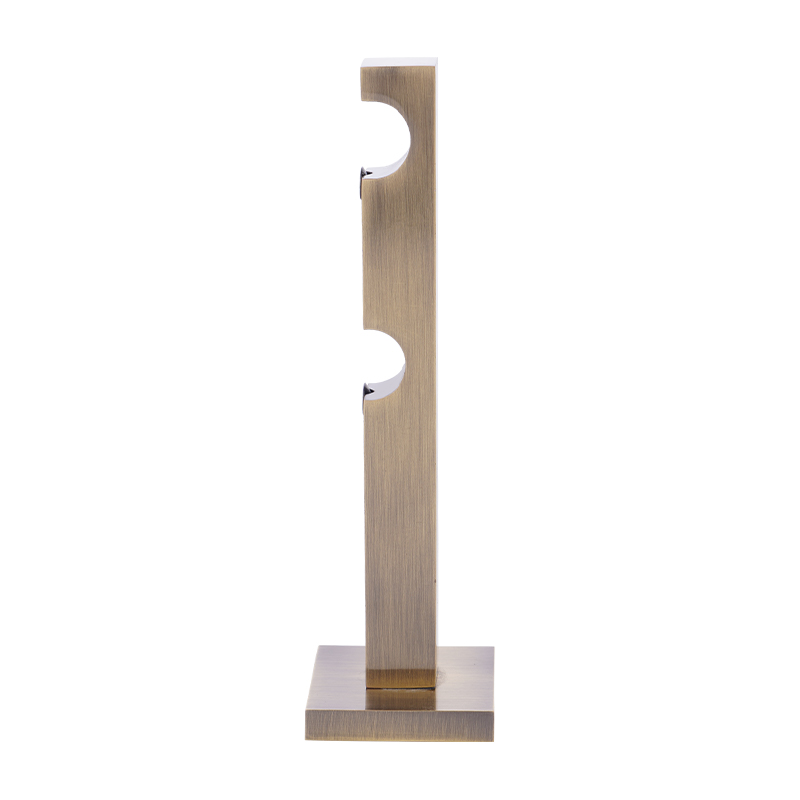
Households wanting both function and style often layer multiple rods on the same window, a setup that requires slightly more planning than a single-rod installation.
Blackout Layer
The rod closest to the window typically holds blackout or room-darkening curtains, positioned to minimize light gaps along the edges and top of the window.
Sheer Layer
A middle rod holds sheer panels that filter daylight while maintaining privacy during daytime hours without fully blocking the view.
Decorative Layer
The outermost rod, often a thicker decorative style, holds the visible curtain panels that establish the room's overall color and texture scheme.
Bracket Spacing
Double and triple rod brackets need to project further from the wall with each additional layer, so confirming total projection depth against furniture placement avoids clearance issues.
Specialty Rod Types for Unusual Window Shapes
Standard straight rods don't work for every window configuration, and a few specialty designs solve specific layout challenges.
| Window Type | Recommended Rod Style |
| Bay windows | Adjustable angled or flexible bendable rods that follow the bay's contour |
| Corner windows | L-shaped or corner-connector rod systems |
| Arched windows | Curved rods custom-shaped to follow the arch, or a straight rod mounted below the curve |
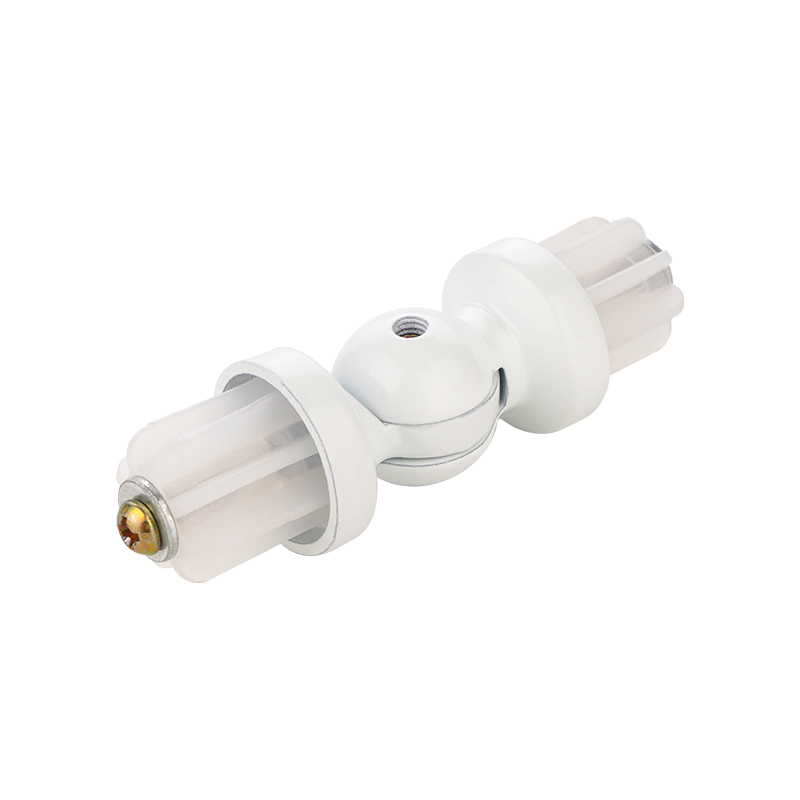
| French doors | Low-profile rods or tension rods mounted within the door frame itself |
What High-Value Buyers Look for Beyond Basic Function
Buyers furnishing higher-end spaces or planning long-term installations tend to weigh factors beyond price and basic weight capacity.
- Finish durability: Powder-coated or plated finishes resist tarnishing and scratching far better than painted finishes, particularly in humid rooms like bathrooms or kitchens.
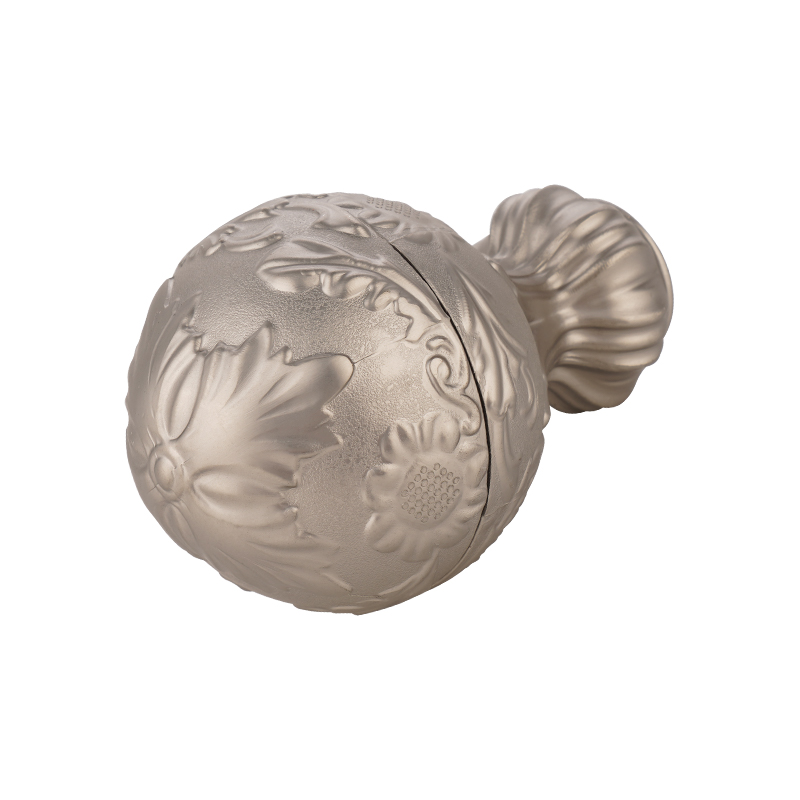
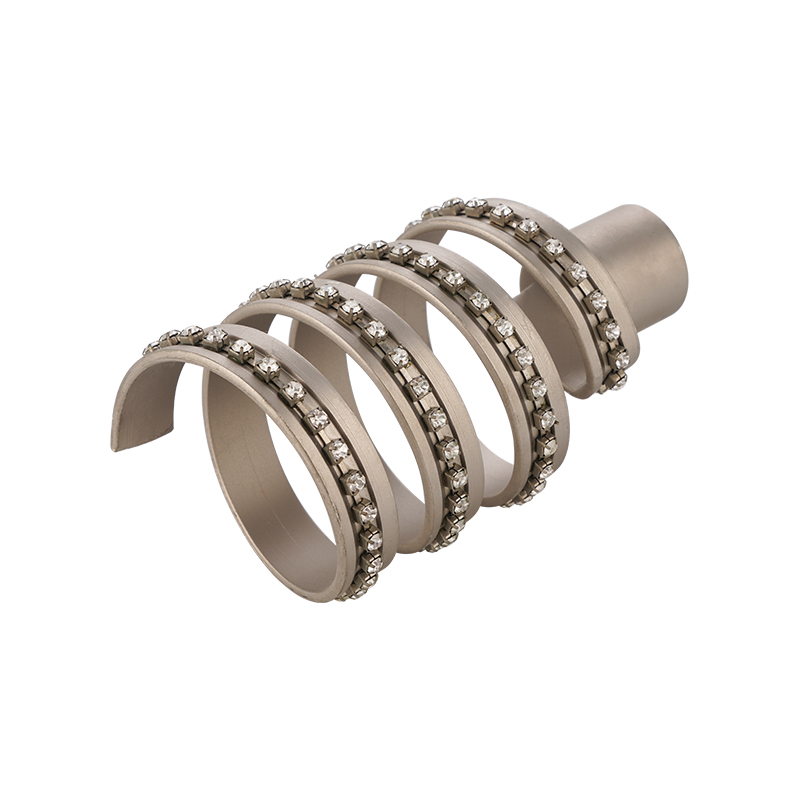
- Finial customization: Interchangeable decorative end caps allow a single rod to be restyled for different rooms or design updates without replacing the entire rod.
- Adjustable telescoping length: Rods that extend across a wide range reduce the need to special-order exact window widths, simplifying purchasing across multiple rooms with slightly different window sizes.
- Motorized track compatibility: Some bracket-mounted systems support add-on motorized tracks for remote-controlled opening and closing, a feature increasingly requested in smart home renovations.
Installation Steps for a Secure, Level Rod
A rod that isn't level or properly anchored will visibly tilt or loosen within weeks, regardless of how much the rod itself cost.
- Mark bracket positions using a level, checking both the height and that both sides align horizontally before drilling.
- Locate wall studs where possible using a stud finder, adjusting bracket position slightly to land on solid framing when feasible.
- Pre-drill pilot holes slightly smaller than the screw diameter to prevent wall cracking, particularly in plaster or tile surfaces.
- Insert appropriate wall anchors before driving screws if a stud isn't available at the marked position.
- Test weight capacity by hanging curtains and checking for sag after a few days, since some anchors can shift slightly under sustained load before fully settling.
Frequently Asked Questions
Are tension curtain rods strong enough for heavy curtains?
Tension rods typically hold 5 to 15 pounds, making them suitable for lightweight or sheer curtains, but heavier drapery is better supported by a bracket-mounted rod anchored into the wall.
How high should curtain rods be mounted above a window?
Mounting curtain rods 4 to 6 inches above the window frame generally makes the window appear taller and gives the room a more spacious feel.
What size curtain rod do I need for a wide window?
For windows wider than 72 inches, choose a rod with a center support bracket in addition to end brackets, since long unsupported spans tend to sag at the midpoint over time.
Do curtain rods need to extend past the window frame?
Yes, extending the rod 8 to 12 inches beyond each side of the frame allows curtains to fully clear the glass when opened, maximizing natural light during the day.
What type of curtain rod works best for drywall without a stud?
Toggle bolts or heavy-duty drywall anchors rated for the curtain's total weight are recommended, since standard screws alone tend to pull out of unsupported drywall over time.