English
 中文简体
中文简体
 русский
 Español

What Separates a Lasting Curtain Rod Set from One That Fails
Picture two curtain rod sets with the same style and a similar price. One stays straight, slides smoothly, and keeps its finish for years. The other sags under a medium-weight drape, the brackets loosen within months, and the plating flakes near the finial. Both look identical in the box. The difference is not in the brand or the packaging; it is in the materials and the manufacturing steps behind each component.
That is the first thing to understand. A curtain rod set is only as reliable as its weakest part. The rod may be perfectly straight, but if the brackets are thin stamped metal or the finials sit loosely, the whole system will disappoint. So the conclusion is to evaluate a set as a system rather than as a single rod. When you know what each component does and how it should be made, you can pick the sets that will last and avoid the ones that generate returns, complaints, or a reinstallation job.
A complete curtain rod set includes five working parts:
- The rod or tube. The main bar that carries the curtain. Its diameter, wall thickness, and material determine stiffness and load capacity.
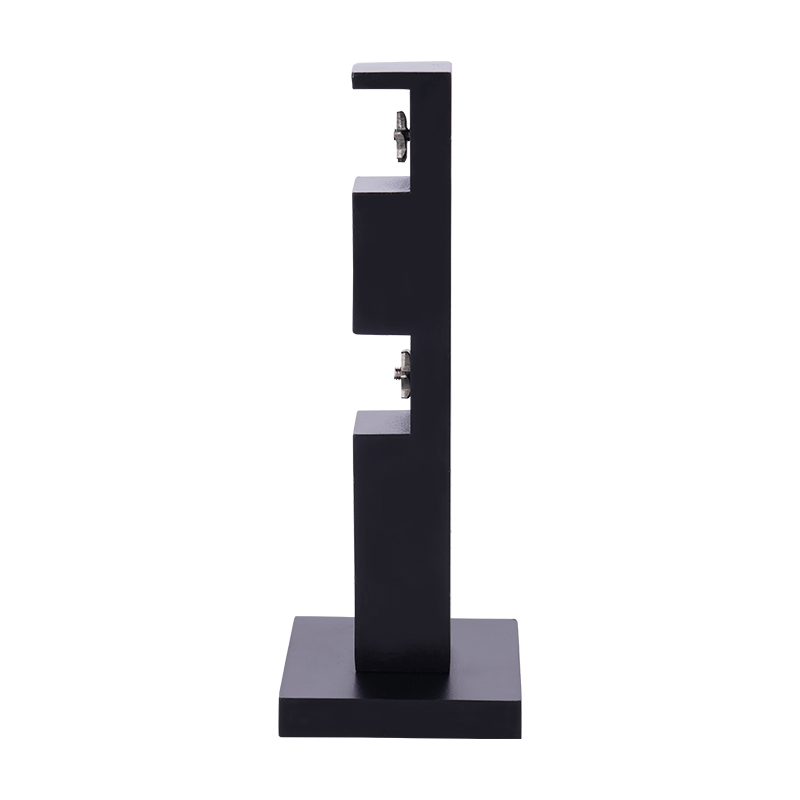
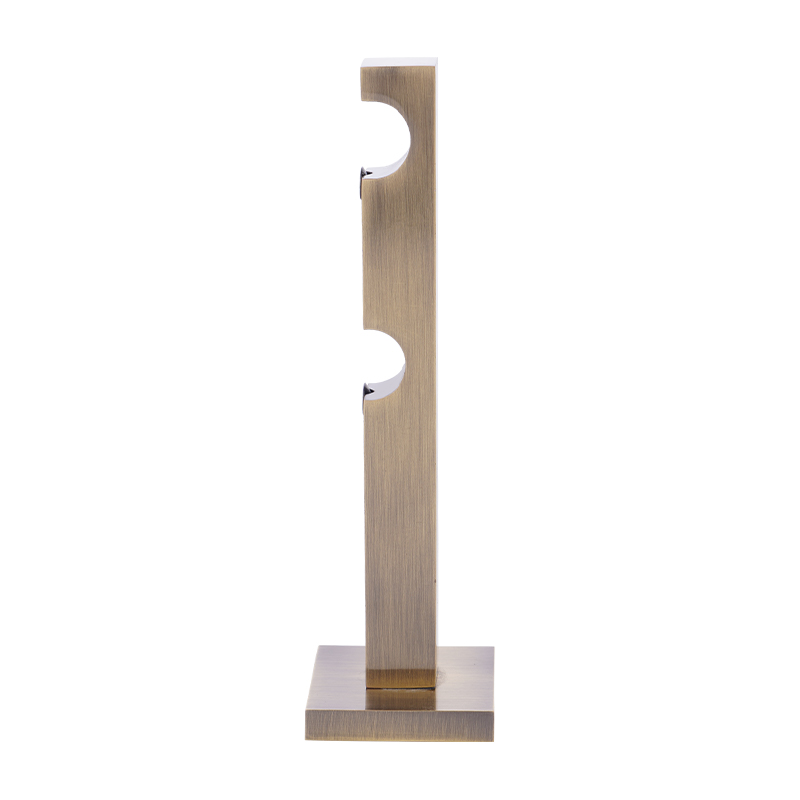
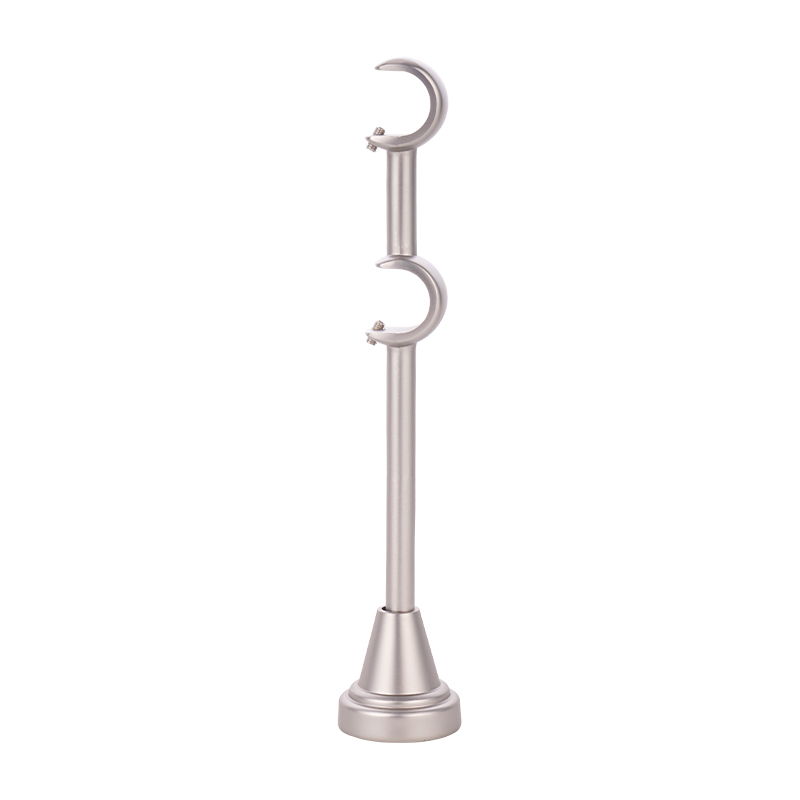
- Brackets. The supports fixed to the wall or ceiling. Their thickness, shape, and screw placement decide stability.
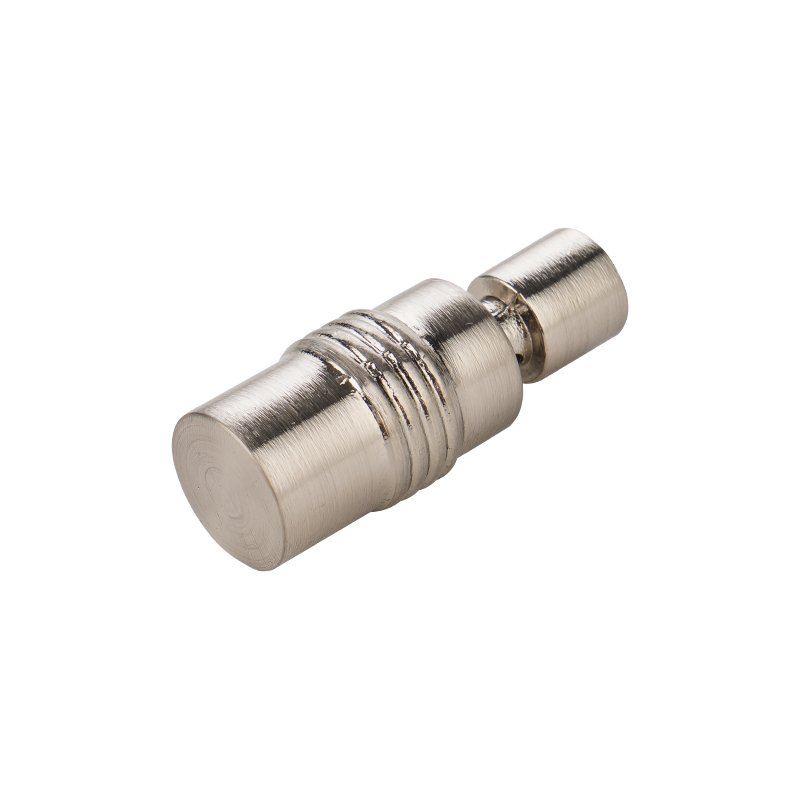
- Finials. The decorative ends that close the rod and set the visual style. They must fit securely and stay tight as the curtain is opened and closed.
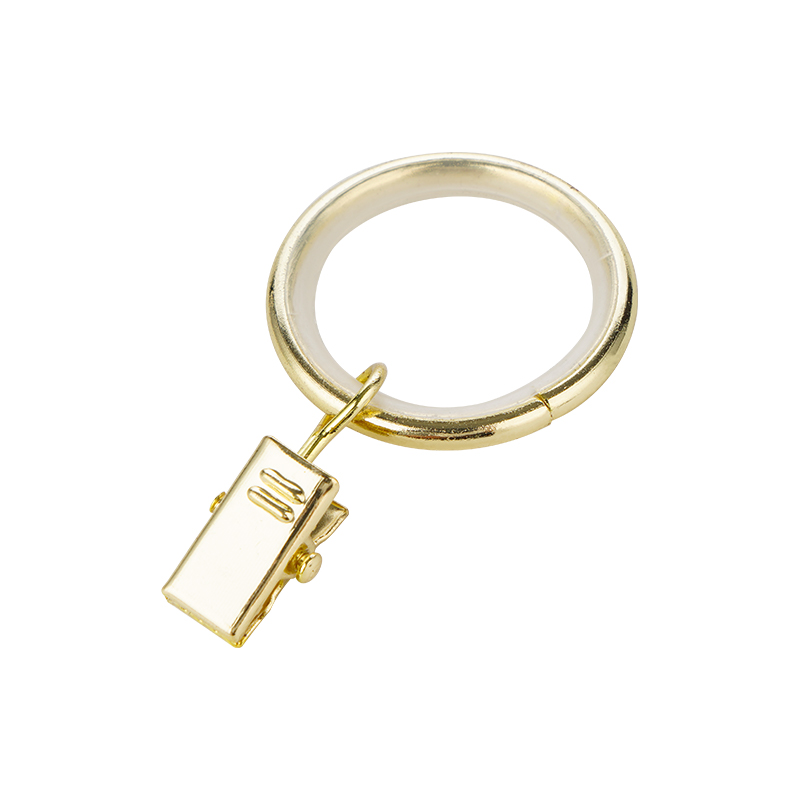
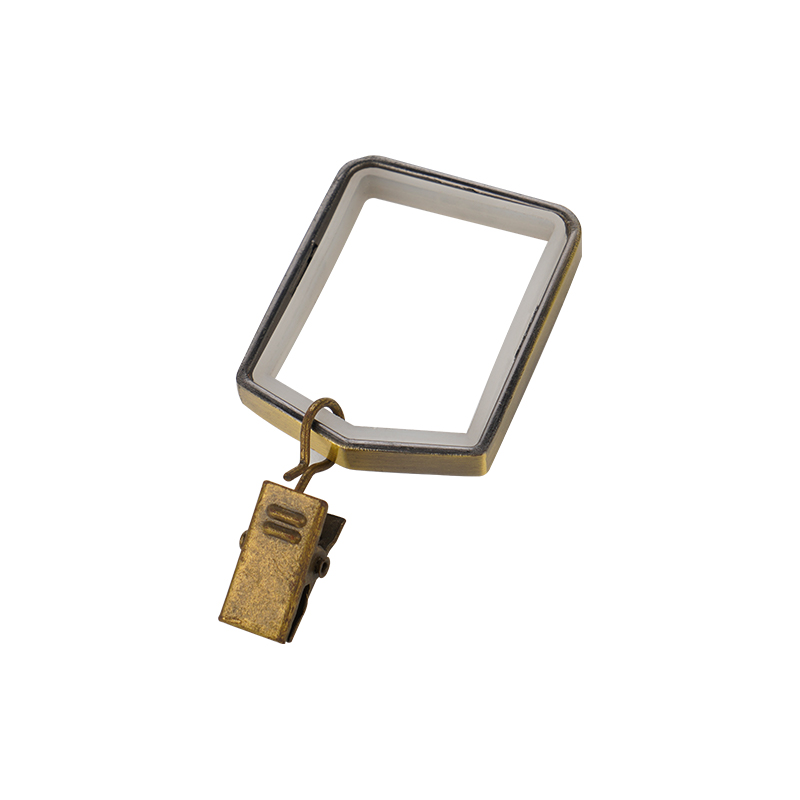
- Rings. The carriers that slide along the rod. Their inner diameter has to match the rod outer diameter, or the curtain snags or rattles.
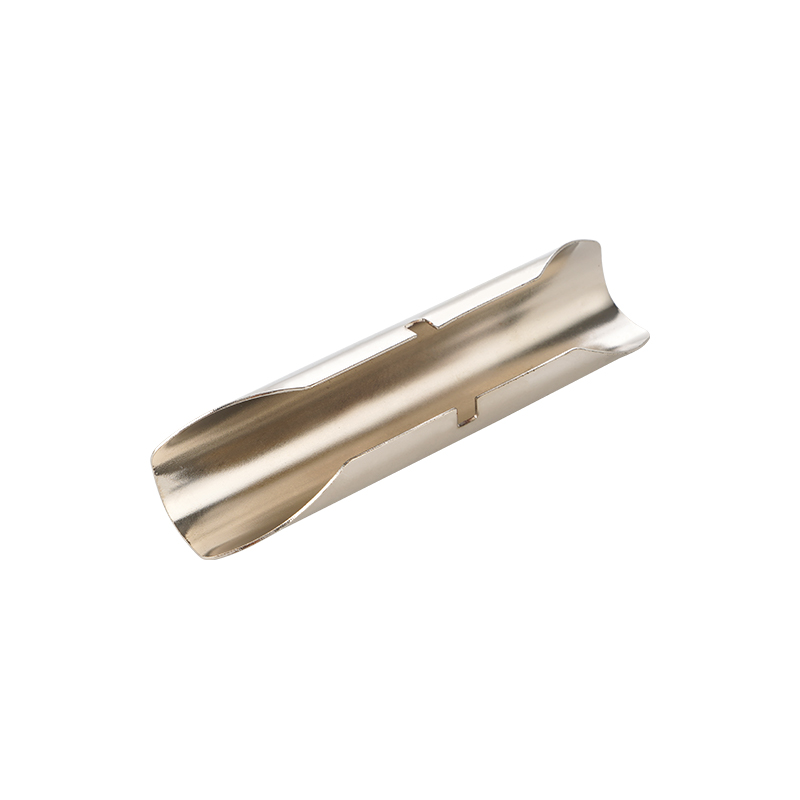
- Connectors and mounting screws. Connectors join two rod sections for wide windows, and screws hold the brackets to the mounting surface.
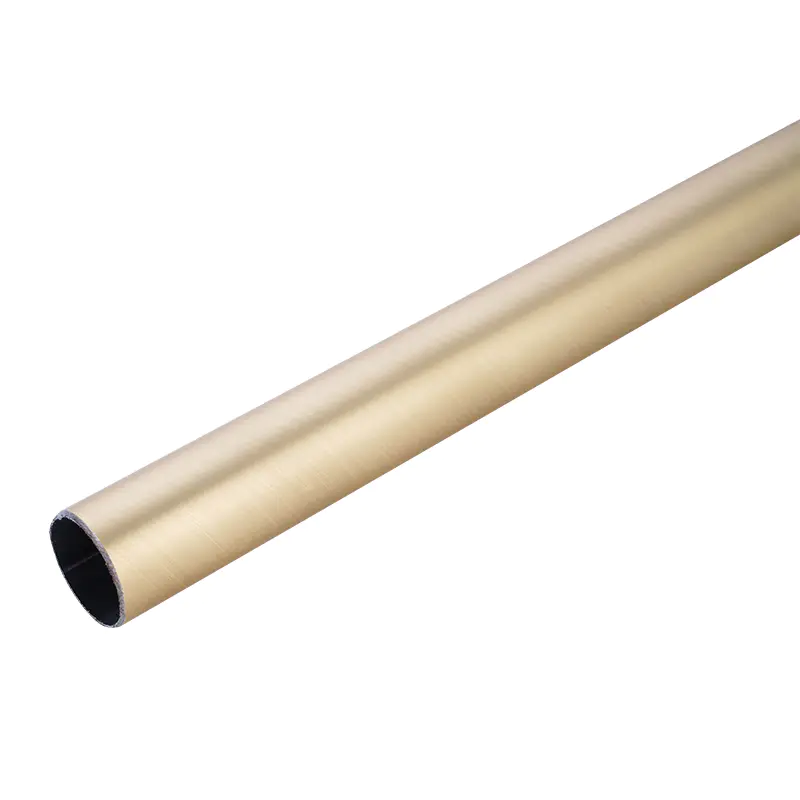
Curtain rod sets should not be confused with curtain rails. Rails use a track-and-hook system for lighter drapery, while rod sets support the curtain on a visible bar with rings. Most residential windows and many commercial interiors use rod sets because they offer a cleaner aesthetic with the decorative finial as the focal point. For the rod itself, a well-made aluminium curtain rod delivers the best balance of stiffness, light weight, and corrosion resistance, which is why aluminum is the default material in modern sets.
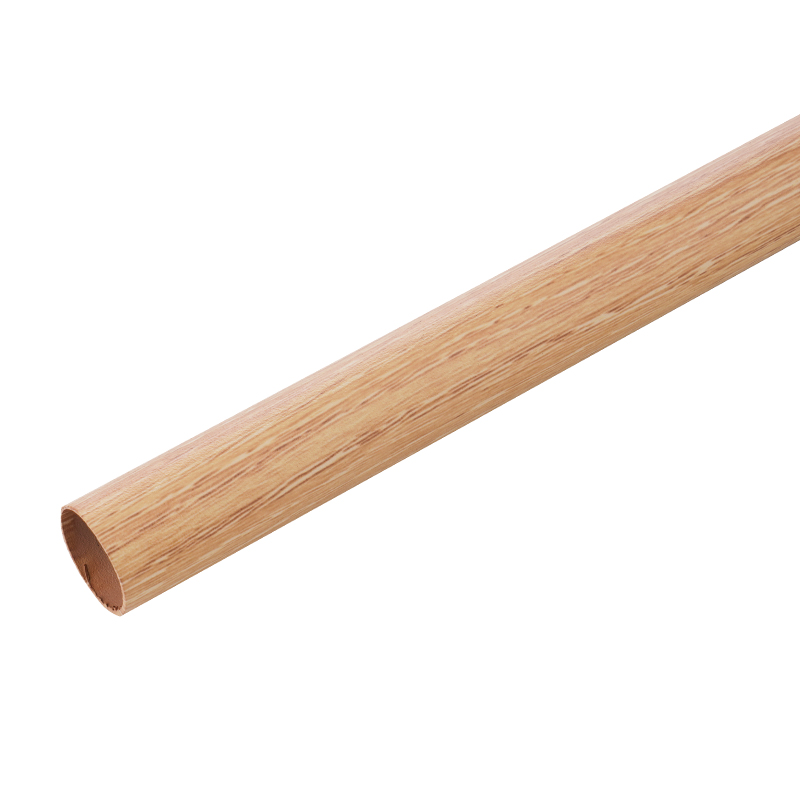 Wholesale Aluminium Curtain Rods Suppliers, Manufacturers - Ningbo Juou DecoratiNingbo Juou Decoration Co., Ltd. is China wholesale Aluminium Curtain Rods suppliers and Aluminium Curtain Rods manufacturers, details:Th...View Product →
How Material Choice Affects Strength, Weight, and Finish
Every component in a curtain rod set is made from one of three common materials: steel, aluminum, or zinc alloy. The material selected for each part is the first quality differentiator, and it directly affects how the set performs on a specific window.
| Material | Typical Use | Strength Characteristics | Corrosion Resistance | Best Application |
|---|---|---|---|---|
| Steel | Brackets, connectors, heavy-duty rods | High stiffness; heavier weight | Needs plating or paint to prevent rust | Wide windows, heavy drapes, commercial spaces |
| Aluminum | Main rods, some connectors and brackets | Good strength with low weight | Forms a protective oxide layer; improved by coatings | Standard residential windows, easy installation |
| Zinc alloy | Finials, decorative brackets, hooks | Excellent castability for detailed shapes | Good when plated | Intricate decorative parts and custom designs |
Steel is chosen when a set must span a wide window without bowing. The trade-off is weight, so the brackets must be sturdy enough for the extra load. Aluminum is the everyday choice because it is light enough for one person to install, stiff enough for standard widths, and it takes powder coating and anodized finishes reliably. Zinc alloy appears in the cast parts, where finials and ornate bracket details need a material that flows into complex mold shapes.
The practical comparison point is the bracket material, not just the rod. Budget sets are often described simply as metal. If the bracket is thin stamped steel, it will bend where the rod rests. Cast or machined brackets made from thicker stock keep the rod level and hold their shape under daily use. The same logic applies to the finial connection: a zinc alloy casting with clean threads is far more reliable than a pressed cap that is glued or forced onto the rod.
Manufacturing Signals That Predict a Set's Real Quality
Two sets can look identical from the front yet differ completely in durability because of how they were produced. Four manufacturing steps matter most, and a manufacturer's ability to control them in-house makes a visible difference in the finished product.
Die-Casting for Consistent Decorative Parts
Finials and ornamental brackets are produced by die-casting in aluminum or zinc alloy. A manufacturer with its own mold center can hold tight dimensional tolerances and develop custom shapes quickly. Ningbo Juou Decoration Co., Ltd., a curtain rod factory operating since 2006, keeps more than 500 molds for steel, aluminum, and zinc alloy parts. When casting is done poorly, you see parting lines, rough edges, and thin sections that break during installation. When it is done well, the parts look uniform from one set to the next, which matters for retail buyers who open dozens of cartons per order.
Machining and Drilling for Tight Fits
Rod ends, screw holes, and connector joints are finished with drilling machines and CNC equipment. Precision at this stage decides whether the finial threads on straight, whether the bracket aligns with wall anchors, and whether two rod sections meet without a gap. Sloppy machining is a leading cause of wobbly rods, stripped screws, and difficult installations. Sets with accurately machined joints go together in minutes, which is a cost saving for installers who fit many windows.
Polishing for a Smooth Surface Before Coating
Cast and extruded parts require polishing before any coating is applied. Polishing removes surface irregularities, and a properly polished part produces an even, reflection-clear finish once plated or painted. When this step is skipped, the coating magnifies small pits and scratches, and adhesion is weaker in those spots. That is why low-end sets chip early, particularly on the finials and bracket arms that receive the most handling.
Electroplating and Painting for Durability and Color Consistency
The final finish has two jobs: protect the metal and create the appearance. Electroplating adds a metallic layer that resists scratches and corrosion, while spray painting allows matte, textured, and custom colors. Factories that run their own coating lines, such as the two electroplating lines and two painting lines at Juou Decoration, can keep the color identical across the rod, brackets, and finials even when those parts are produced in separate batches. Outsourced finishing, by contrast, creates a higher risk of color drift between the components of one set.
Brackets, Finials, and Rings: Where the Details Decide Everything
The bracket is the most failure-prone component in a curtain rod set because it carries the full load concentrated at a small wall fixing. Two mounting options cover most installations. A wall mount fixes the rod to the wall in front of the window, which suits standard applications. A ceiling mount is used for floor-to-ceiling windows, French doors, and tall panels. Within each type, the projection distance may be fixed or adjustable.
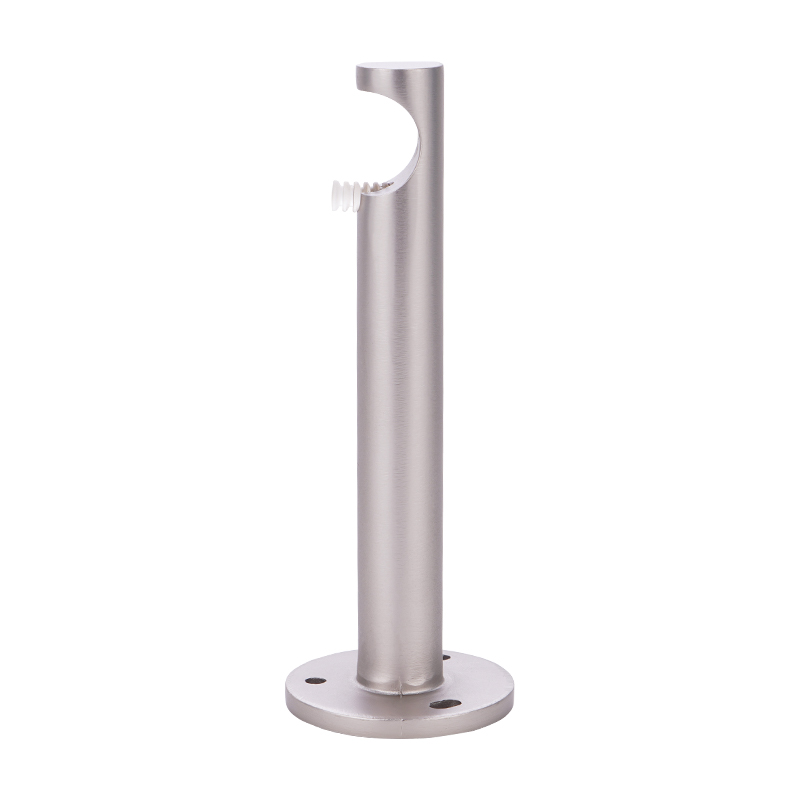
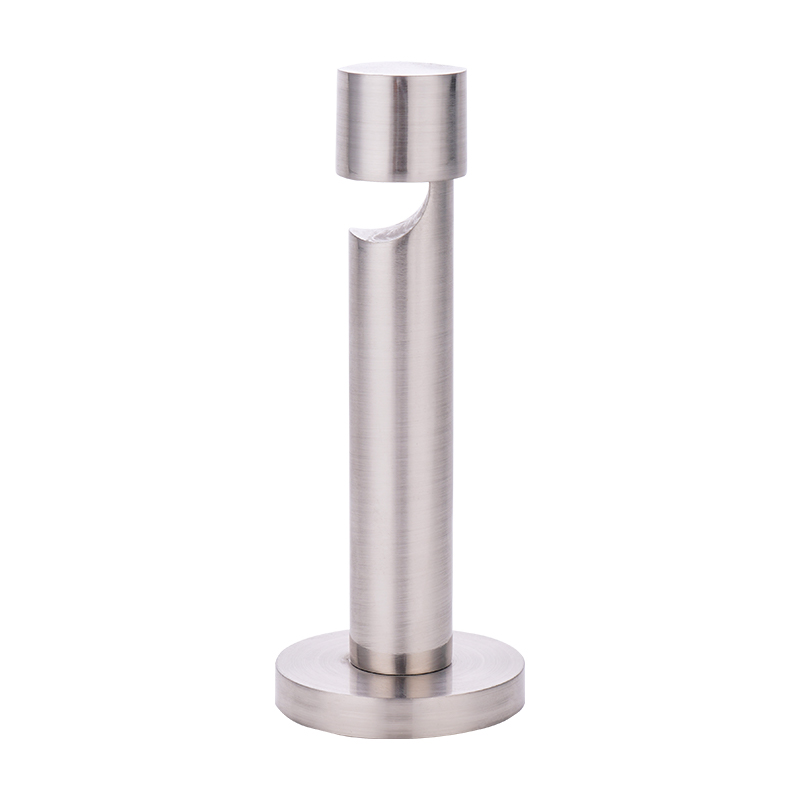
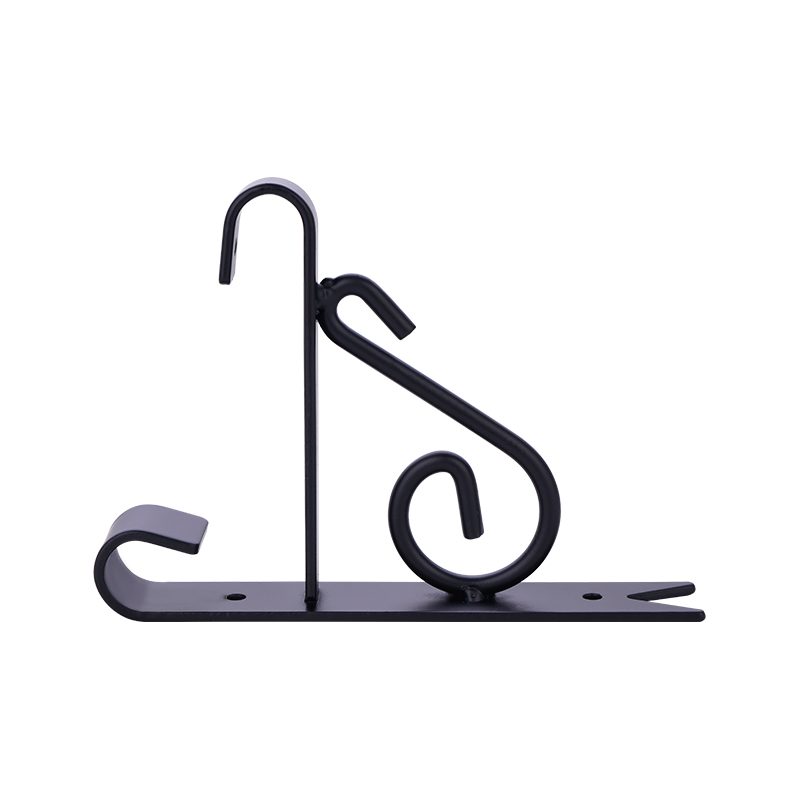
When you choose a wall-mounted curtain bracket, check three things: the thickness of the metal, the finish on the visible face, and the shape of the screw holes. Thicker metal resists bending where the rod rests. An even, scratch-free finish indicates proper polishing and plating. And screw holes that are clean and correctly positioned allow the fastener to seat fully. Cast or machined brackets from solid stock will outlast stamped sheet-metal brackets by a wide margin and keep the rod perfectly level for years.
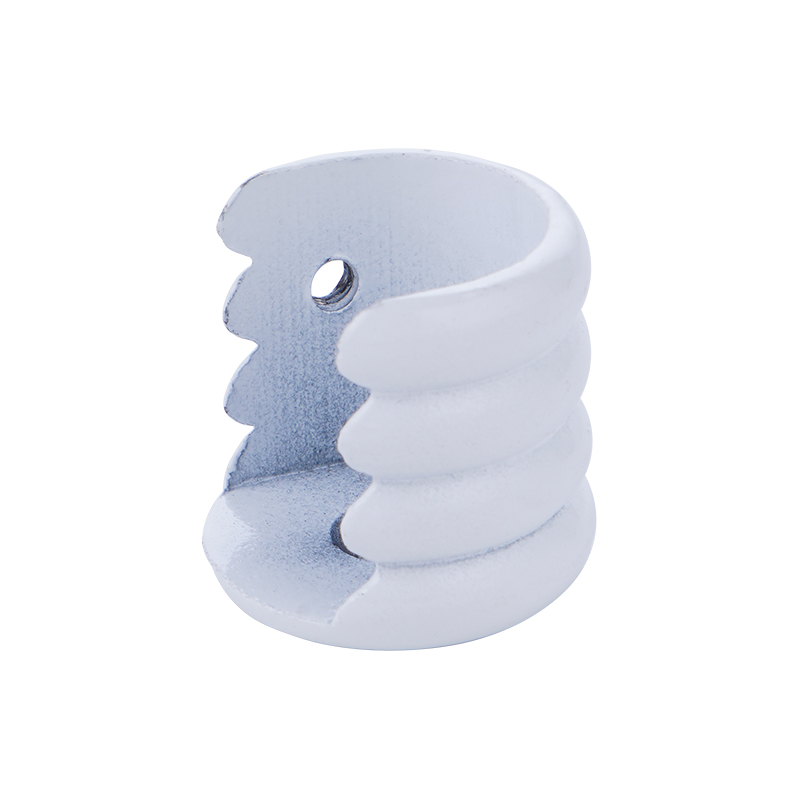 Wholesale Curtain Wall Bracket Suppliers, Manufacturers - Ningbo Juou DecorationNingbo Juou Decoration Co., Ltd. is China wholesale Curtain Wall Bracket suppliers and Curtain Wall Bracket manufacturers, details:Curtai...View Product →
Finials are the most visible part of a set and the quickest to expose poor workmanship. A well-cast finial slides or threads onto the rod and sits straight without wobble. A poor one cross-threads, leaves a gap, or carries parting lines that catch the light. Design range is broader than many buyers expect: ball, cage, crystal, horn, pattern, square column, and cylinder shapes each suit a different interior style. The ball finial curtain rod is a proven classic because its symmetrical shape works in both traditional and minimalist rooms and never competes with the curtain fabric.
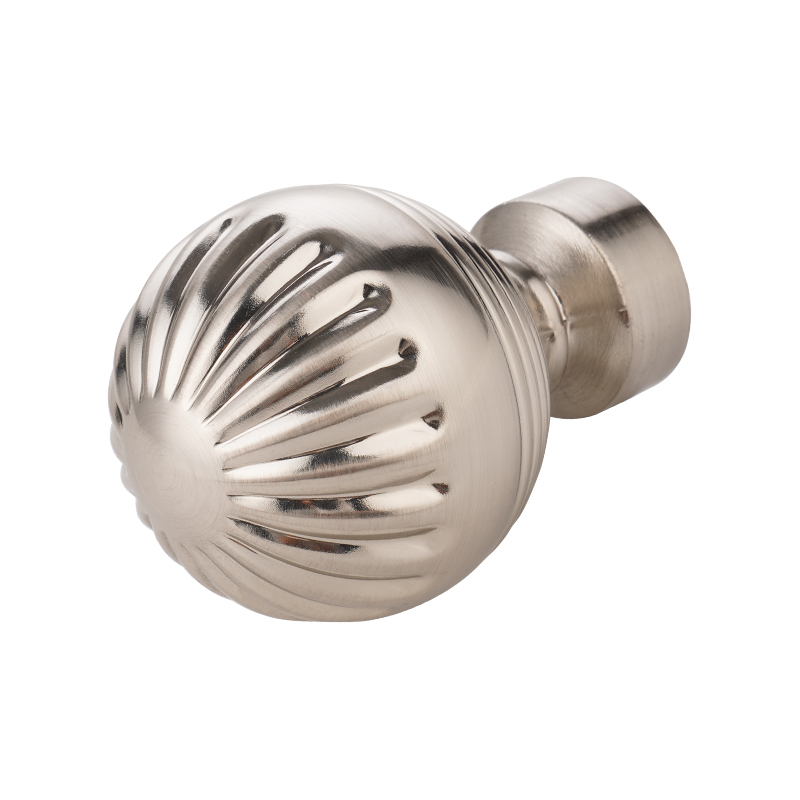 Wholesale Ball Finial Curtain Rod Suppliers, Manufacturers - Ningbo Juou DecoratNingbo Juou Decoration Co., Ltd. is China wholesale Ball Finial Curtain Rod suppliers and Ball Finial Curtain Rod manufacturers, details:...View Product →
Rings are the detail buyers ignore until installation time. Ring inner diameter must be slightly larger than the outer diameter of the rod so the ring slides freely. Common sizes offered by experienced manufacturers include 16 mm, 19 mm, 20 mm, and 25 mm, which cover the most popular rod diameters. If the rings are too tight, the curtain drags when opened. If they are too loose, they rattle and let the fabric bunch unevenly. Always confirm that the ring diameter is matched to the rod diameter when you purchase a set.
What to Verify with a Supplier Before You Order
For retailers, importers, and property managers, the product is only half of the decision. The supplier's process determines whether an order arrives consistent, on time, and in the right packaging.
Quality Checks Through the Entire Production Chain
Because the components of a set are made in different processes, quality control must happen at every stage. An experienced manufacturer inspects parts after die-casting, polishing, painting, electroplating, brushing, assembly, and packaging, and it removes defective pieces before they enter the carton. Ask the supplier how they check dimensional accuracy on brackets and finials, because those are the parts most likely to vary between batches and the most visible in a finished installation.
Packaging Options That Match Your Sales Channel
Curtain rod sets contain long and fragile parts, so packaging affects both product condition and shipping cost. Look for a supplier that offers multiple formats, such as plain PE bags, blister packing, shrink-wrapped sets, PVC sets, and color boxes. Blister and PVC packs protect finials and brackets on retail shelves, while shrink-wrapped sets reduce volume for e-commerce fulfillment. A factory that handles packaging in-house can adapt the format to your channel without long delays.
OEM Capability and Delivery Reliability
Buyers who want a unique color, design, or package should confirm that the manufacturer can handle custom work. A factory with its own mold center and R&D team can develop new finial shapes, adjust rod lengths, and produce custom colors without waiting on an external tooling supplier. Delivery is equally practical. A plant located near a major port, such as the Juou Decoration facility about 30 minutes from Ningbo Port, shortens the logistics chain for export orders and makes container scheduling more predictable. With an annual capacity of more than 100 containers, a supplier of that scale can absorb seasonal peaks without slipping your lead time.
The Practical Takeaway for Choosing a Curtain Rod Set
A curtain rod set is a system of five parts, and its lifespan comes from the materials, manufacturing steps, and quality checks applied to each one. Start by defining the window width, curtain weight, and mounting surface. Then compare materials, because aluminum gives you the best everyday balance while steel covers heavier loads. Look for manufacturing care in the castings, machining, polishing, and plating. And when you buy from a supplier, confirm the quality checks, packaging formats, and customization options that protect your order from the first unit to the final container.
Sets that fail early share the same root causes: thin brackets, mismatched rings, loose finials, and weak finishes. Once you know what to inspect, those failures are easy to avoid. Whether you are fitting a single window at home or sourcing a full product line, the same principle applies: pay attention to the components that do the work. The result is a curtain rod set that looks good on day one and still looks good years later.