English
 中文简体
中文简体
 русский
 Español

Curtain Rod Connectors Enable Strong, Seamless, and Extendable Curtain Systems
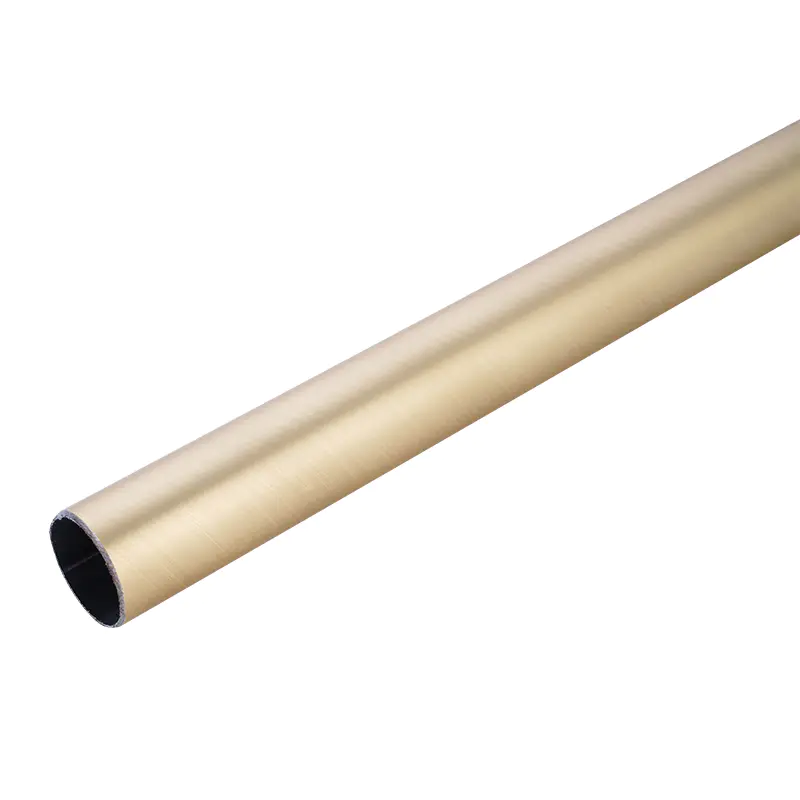
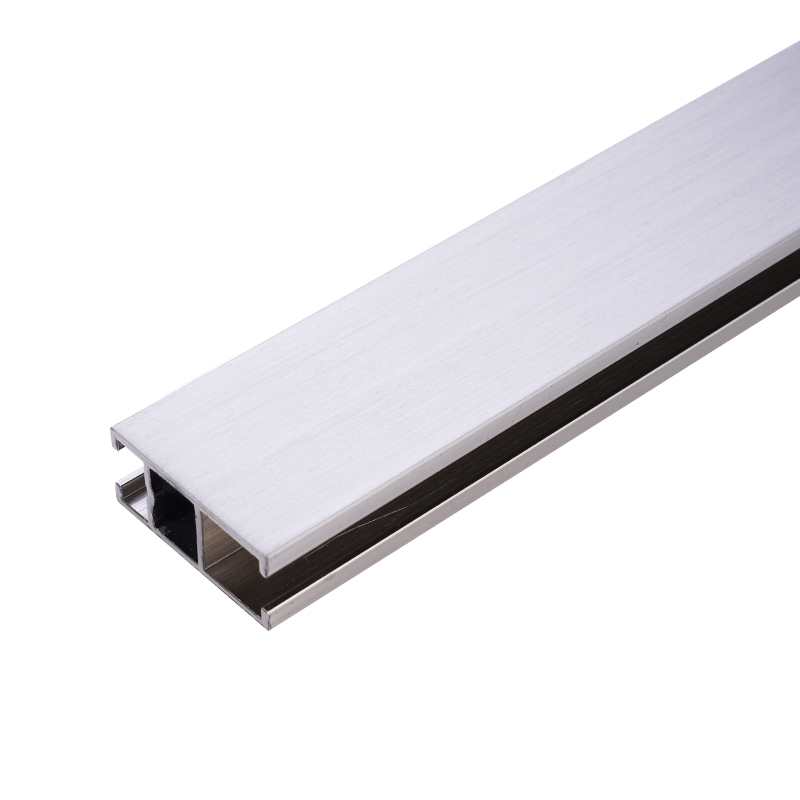
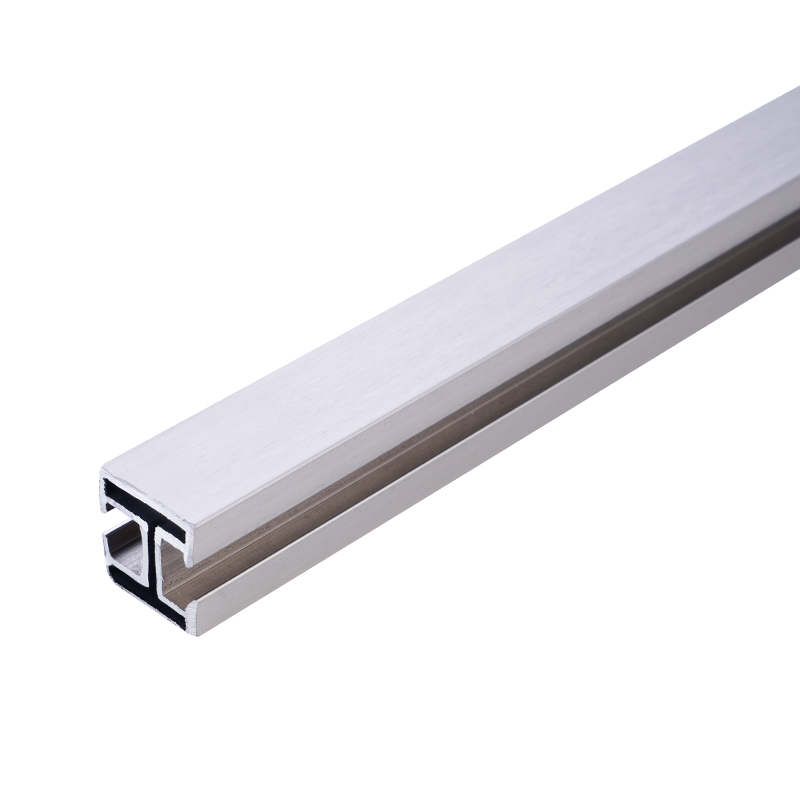
Curtain rod connectors are essential components that allow multiple rods to be joined securely, ensuring structural stability and seamless alignment across extended window spans. These connectors are widely used in both residential and commercial curtain installations where standard rod lengths are insufficient.
By providing reliable connections, they help maintain the overall aesthetic and functional performance of curtain systems, especially for large windows, bay windows, and custom interior designs.
Types of Curtain Rod Connectors and Their Applications
Different types of curtain rod connectors are designed to meet specific installation requirements and structural demands.
Common Connector Types
- Straight connectors for extending rods in a linear configuration
- Corner connectors for angled or bay window installations
- Adjustable connectors for flexible alignment
- Internal splice connectors for hidden joints
Internal connectors are preferred for aesthetic applications as they create nearly invisible joints, maintaining a clean and continuous rod appearance.
Corner connectors are especially useful in architectural designs where windows wrap around walls, requiring precise angle transitions.
Material Options and Durability Considerations
The durability and load-bearing capacity of curtain rod connectors depend heavily on the materials used in their construction.
Common Materials
- Metal (steel or aluminum) for high strength and durability
- Plastic for lightweight and cost-effective applications
- Alloy materials for corrosion resistance and premium performance
Metal connectors can support loads exceeding 20–30 kg depending on design, making them suitable for heavy curtains such as blackout or thermal drapes.
Plastic connectors are typically used for lightweight curtains but may not provide the same long-term durability under continuous stress.
Installation Techniques for Secure and Stable Connections
Proper installation of curtain rod connectors is essential to ensure stability, alignment, and long-term performance.
Key Installation Steps
- Measure the total span and determine the number of connectors required
- Insert the connector into the rod ends securely
- Align rods to ensure straight or angled positioning
- Tighten screws or locking mechanisms if available
Proper alignment during installation can prevent sagging and improve load distribution by over 30%, especially for long curtain spans.
In larger installations, additional support brackets may be required near connector points to enhance structural stability.
Performance Comparison of Connector Types
Understanding the differences between connector types helps users choose the most suitable option for their needs.
| Connector Type | Strength | Visibility | Best Use Case |
|---|---|---|---|
| Straight Connector | High | Moderate | Long straight windows |
| Corner Connector | Medium | Visible | Bay windows |
| Internal Connector | High | Low | Decorative interiors |
Choosing the correct connector type ensures both structural integrity and visual appeal, especially in high-end interior designs.
Applications in Residential and Commercial Spaces
Curtain rod connectors are widely used across various environments where customized curtain installations are required.
Typical Applications
- Large residential windows and sliding doors
- Hotel rooms requiring continuous curtain coverage
- Office spaces with wide glass panels
- Retail displays with decorative curtain setups
In commercial projects, connectors help achieve uniform curtain alignment across spans exceeding 5 meters, which would be difficult with single-piece rods.
Their flexibility also allows designers to adapt curtain systems to unconventional architectural layouts.
Maintenance and Longevity Considerations
Maintaining curtain rod connectors ensures consistent performance and prevents structural issues over time.
Maintenance Tips
- Regularly check for loose connections
- Clean connectors to prevent dust accumulation
- Inspect for corrosion or wear in metal components
- Replace damaged connectors promptly
Routine maintenance can extend connector lifespan by more than 30%, ensuring long-term reliability and safety.
Proper care is especially important in humid or coastal environments where materials may degrade faster.