English
 中文简体
中文简体
 русский
 Español

Curtain Rails: Essential Components for Window Treatments
Curtain rails provide a functional and aesthetic solution for hanging curtains in residential and commercial spaces. They support various types of curtains and allow smooth operation, enhancing both light control and privacy.
Modern curtain rails come in multiple materials, including aluminum, stainless steel, and high-quality plastics. Their designs can range from minimalist tracks to decorative rods, fitting seamlessly into any interior style.
Materials and Durability
Curtain rails must be durable enough to handle the weight of curtains and resist frequent use. Aluminum and stainless steel are popular for their strength, corrosion resistance, and longevity.
Plastic rails are lightweight and cost-effective, suitable for lighter fabrics or temporary setups. Reinforced plastics or hybrid metal-plastic rails combine strength with a sleek appearance.
Design Variations and Features
Track vs. Rod Systems
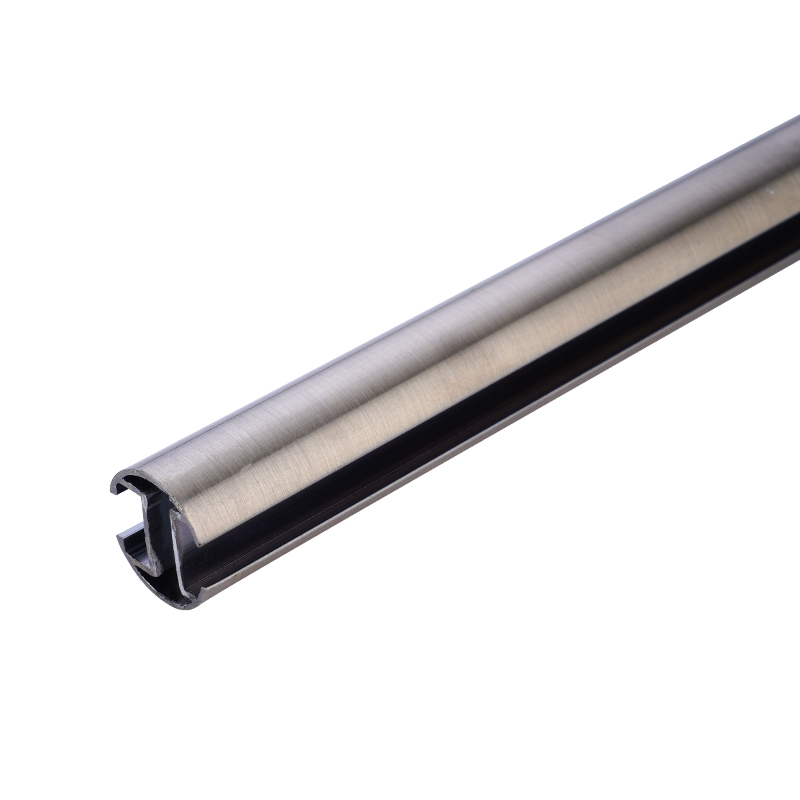
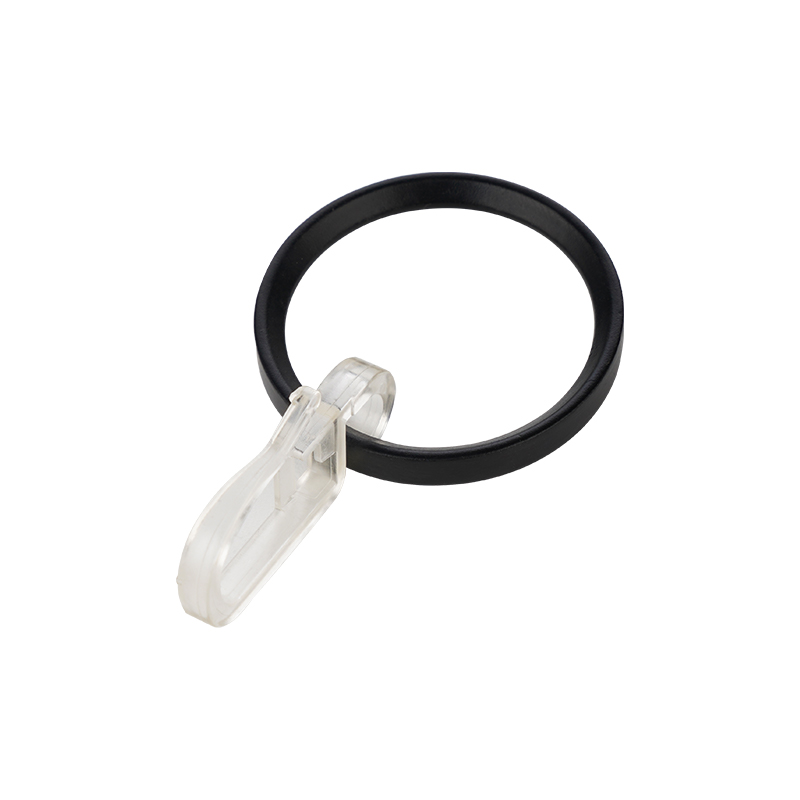
Curtain rails can be classified into track systems and rod systems. Track systems allow curtains to glide smoothly using gliders or runners, ideal for heavy drapes or complex layering. Rod systems are more decorative, often featuring finials and simpler operation.
Single vs. Double Rails
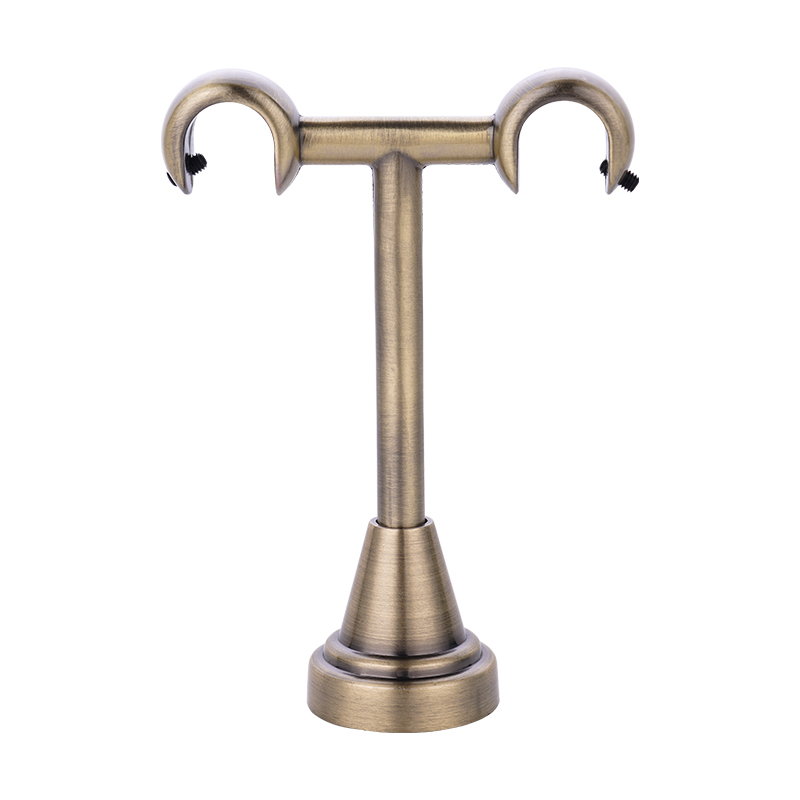
Double rails enable layering of curtains, such as combining blackout and sheer curtains. This adds flexibility in light control and privacy management.
Motorized and Smart Rails
Modern motorized curtain rails allow automated operation with remote controls or smart home integration. This is convenient for hard-to-reach windows or for energy-efficient automation.
Installation Considerations
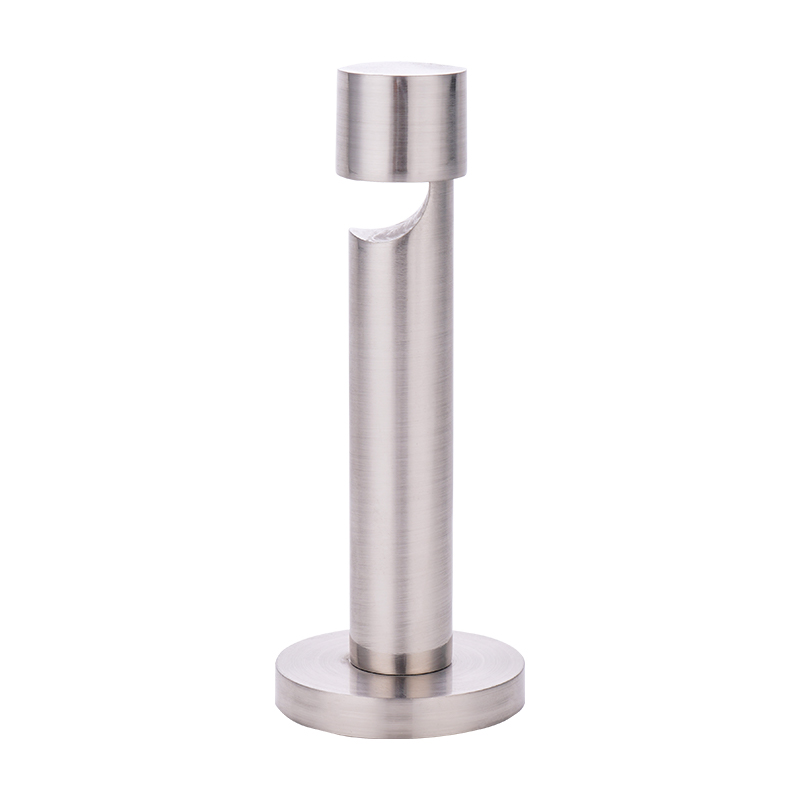
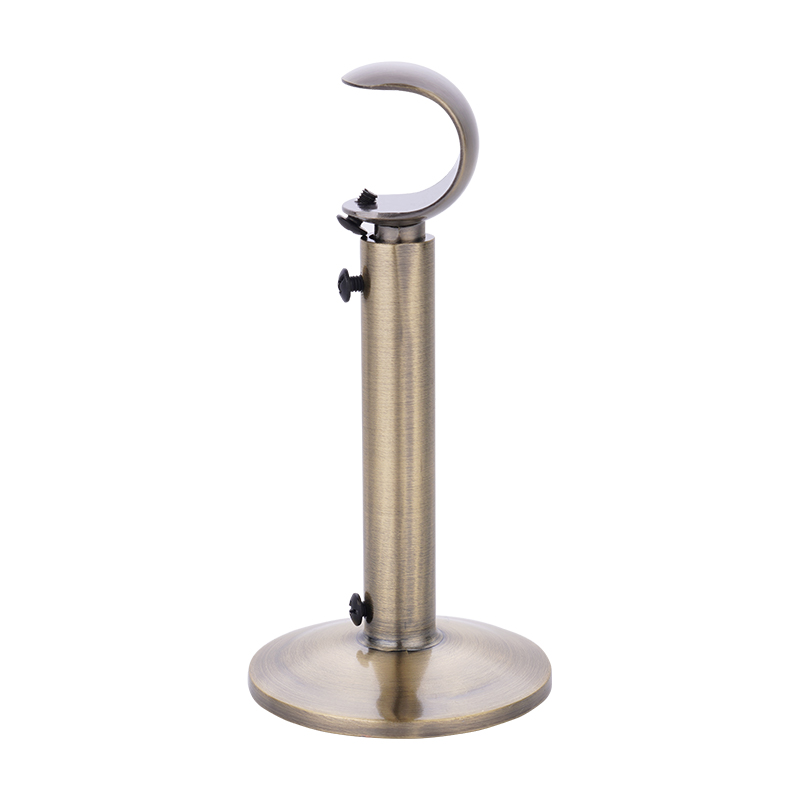
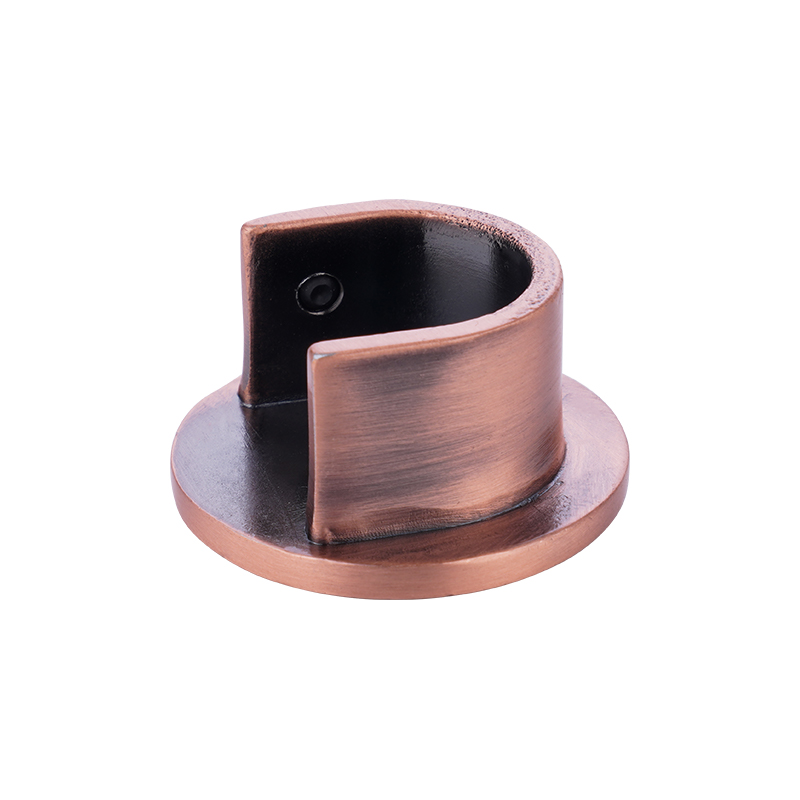
Correct installation ensures smooth curtain operation and prevents premature wear. Wall-mounted rails require sturdy brackets, while ceiling-mounted rails offer a minimalist, flush look. Measuring window dimensions accurately is crucial for proper fit.
Load-bearing calculations are essential, especially for heavy curtains. Brackets should be spaced to distribute weight evenly, and specialized supports may be necessary for extra-long or wide installations.
Aesthetic and Functional Choices
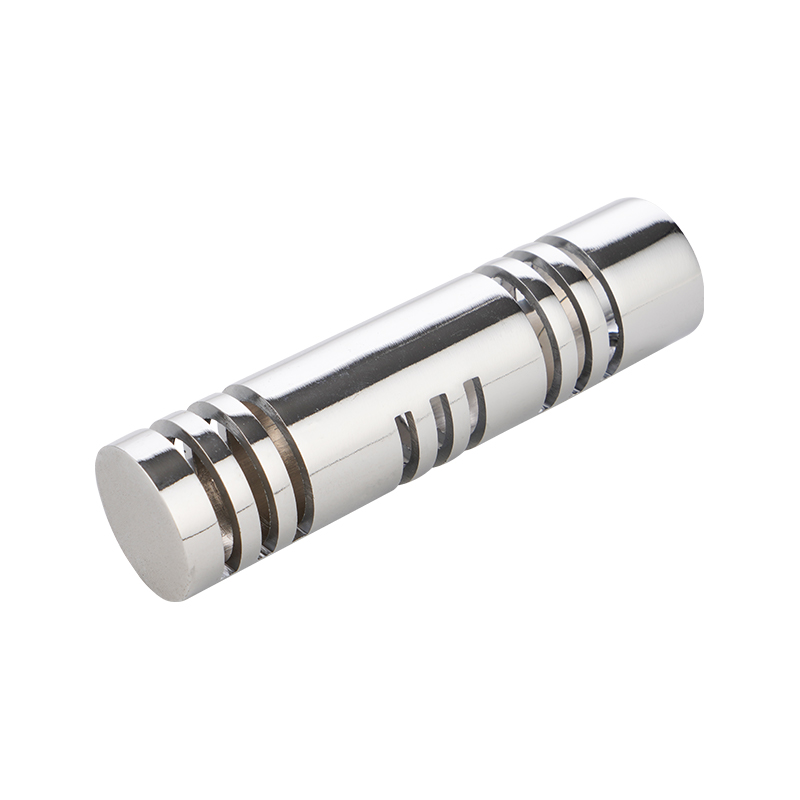
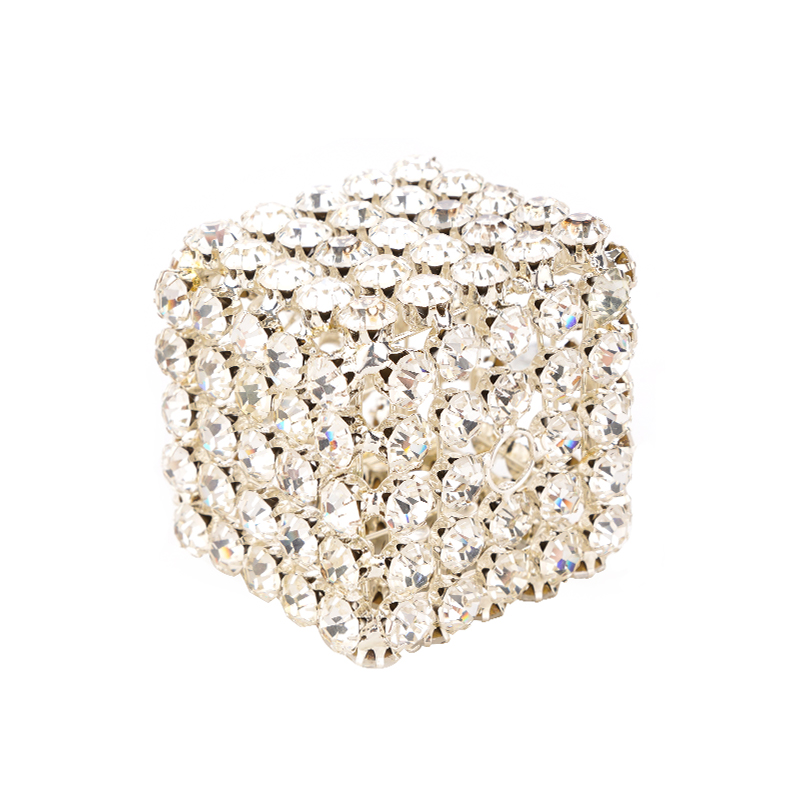
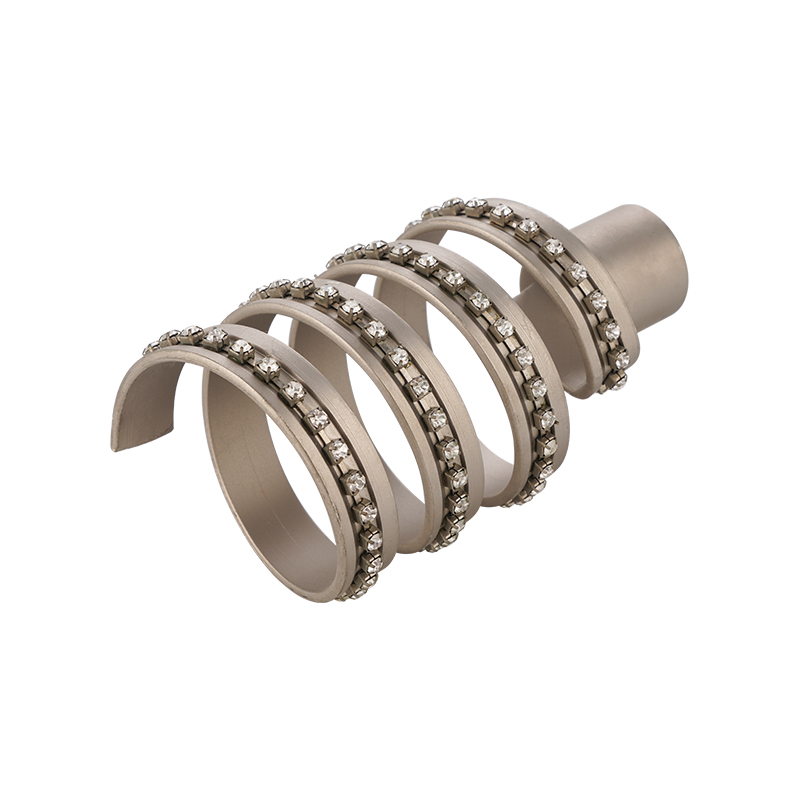
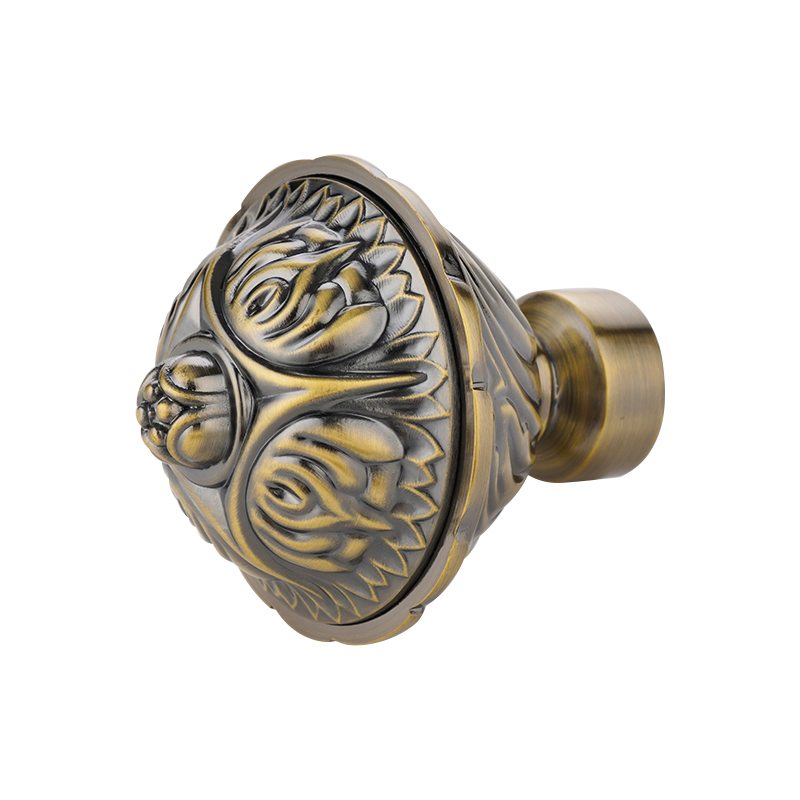
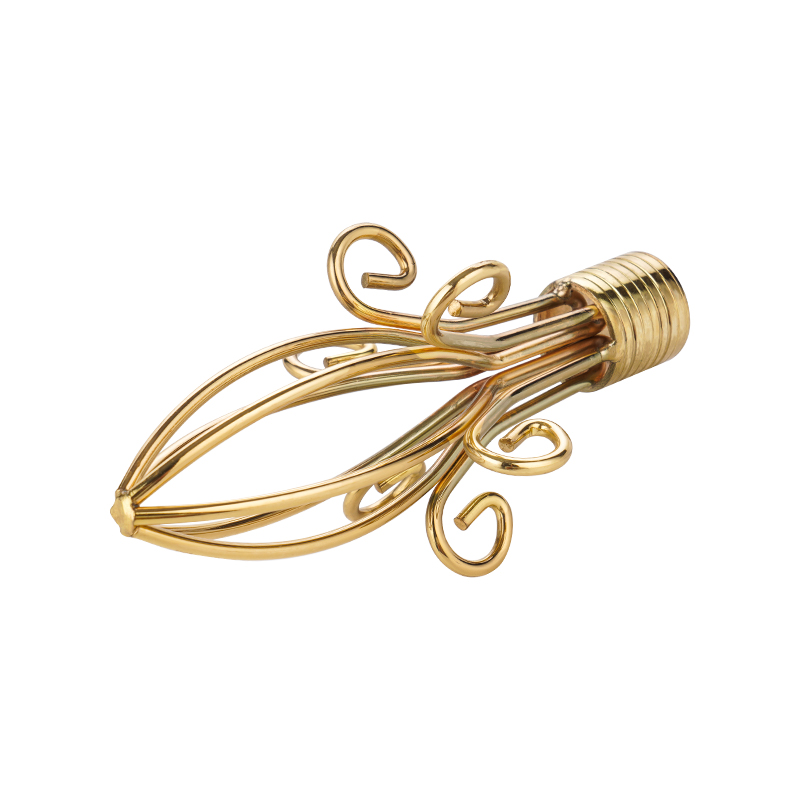
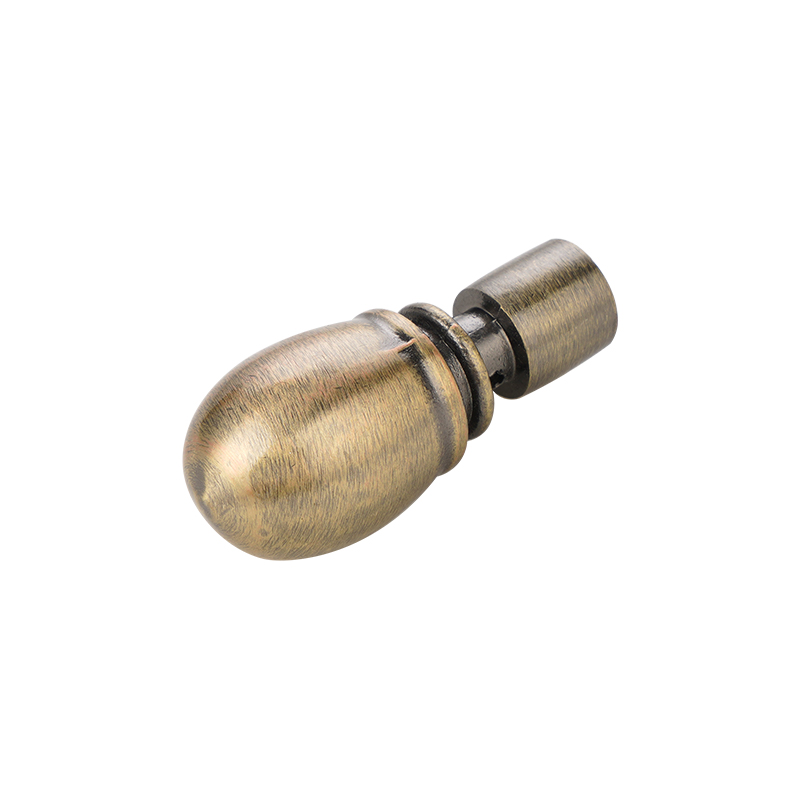
Curtain rails can be designed to complement room décor. Options include brushed metals, painted finishes, or decorative end caps. Choosing a style that matches window treatments enhances visual appeal.
Functional features such as smooth gliding, noise reduction, and anti-slip rails improve user experience. Soft-close or self-lubricating rails prevent jerky movement and protect fabric from damage.
Custom Solutions for Unique Spaces
Custom curtain rails can be fabricated for irregular windows, bay windows, or partitions. Bespoke solutions ensure precise fit, smooth operation, and aesthetic harmony.
Manufacturers often provide cut-to-size rails and flexible track configurations, enabling installation in challenging architectural settings.
Maintenance and Longevity
Curtain rails require minimal maintenance but regular cleaning of tracks and gliders improves performance. Lubrication of metal tracks and inspection of brackets ensures smooth operation and extends service life.
Plastic rails should be checked for cracks or warping, and replacement parts should be sourced from reliable manufacturers to maintain durability and safety.
Innovations in Curtain Rail Technology
Recent innovations include quiet gliding systems, magnetic carriers, and integration with smart home systems. Automated and app-controlled rails offer convenience and energy efficiency.
Eco-friendly materials and lightweight, corrosion-resistant metals are increasingly preferred for sustainable and long-lasting installations.