English
 中文简体
中文简体
 русский
 Español

What Are Curtain Brackets and Why Are They Important?
Curtain brackets are key components in the installation of curtains or drapes. They support curtain rods and keep them securely in place on the wall. Without reliable curtain brackets, the curtains would not stay in position, making them not only ineffective but also potentially dangerous, especially in high-traffic areas. The right curtain brackets provide the necessary support for different types of curtains and rods, ensuring both durability and functionality.
Types of Curtain Brackets
There are several types of curtain brackets, each designed to accommodate different curtain rod sizes, styles, and mounting preferences. Choosing the right bracket depends on the type of curtain rod, the weight of the curtains, and the desired aesthetic. Here are the most common types:
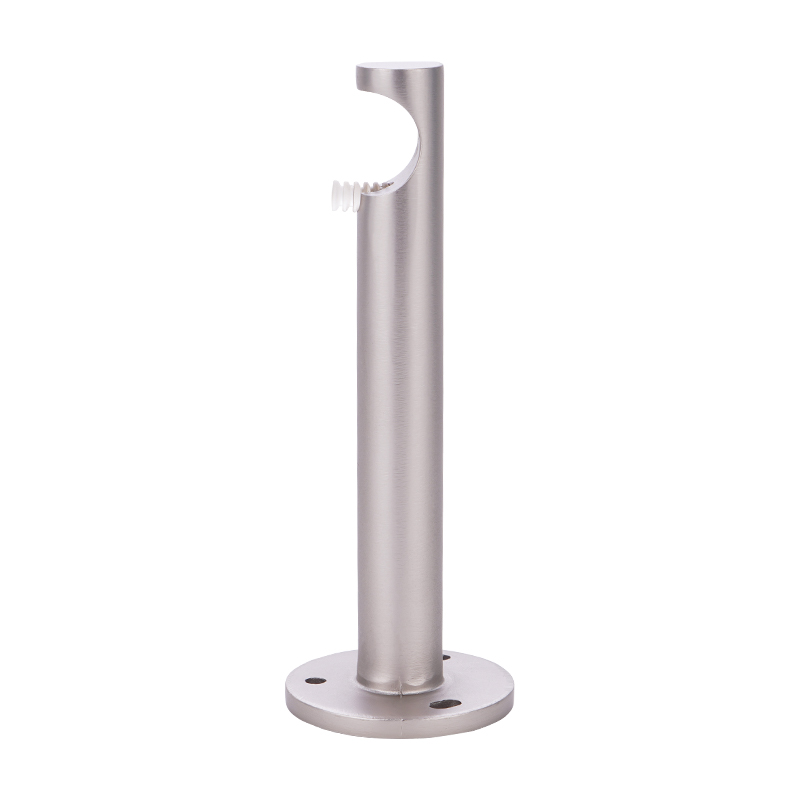
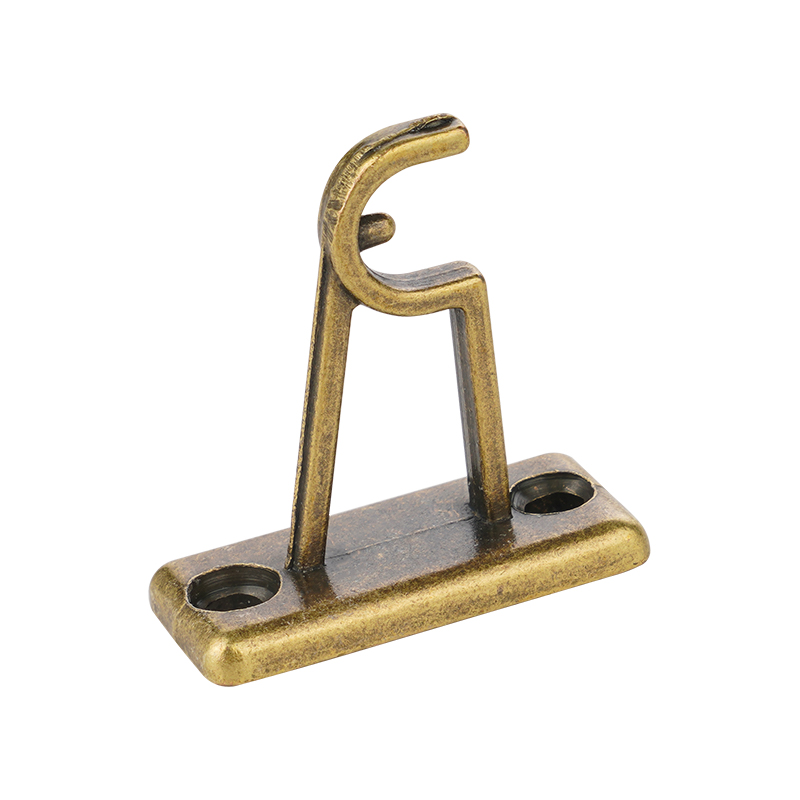
- Wall-Mounted Brackets: These are the most common type of curtain bracket, designed to attach directly to the wall. They provide sturdy support and are ideal for heavy curtains or drapes.
- Ceiling-Mounted Brackets: Used when you want a curtain rod to hang directly from the ceiling, these brackets are ideal for creating a modern, streamlined look in any room.
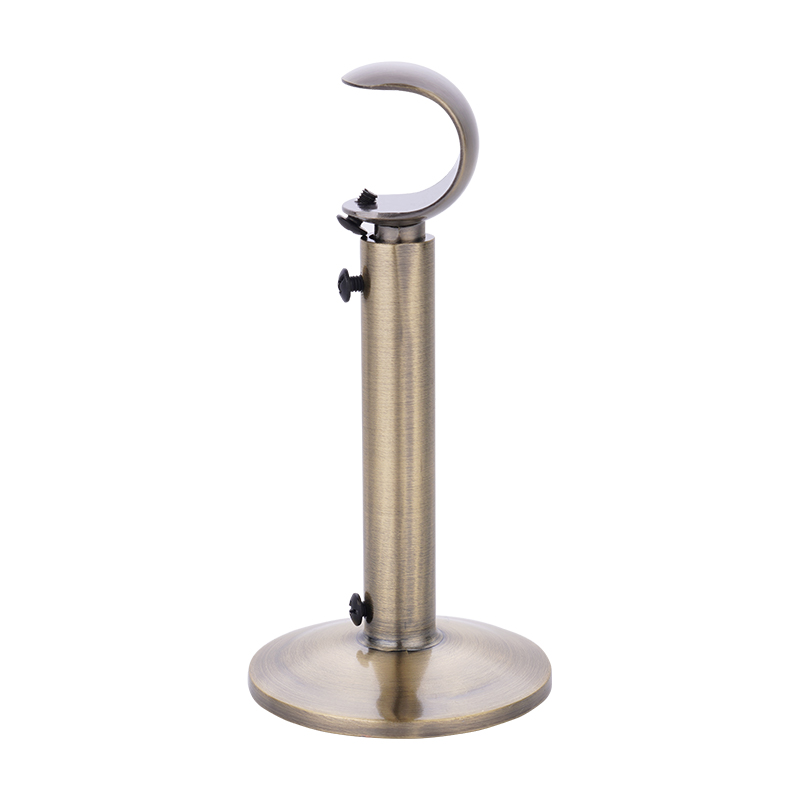
- Adjustable Brackets: These versatile brackets allow you to adjust the projection of the curtain rod from the wall, providing flexibility for different curtain styles and window treatments.
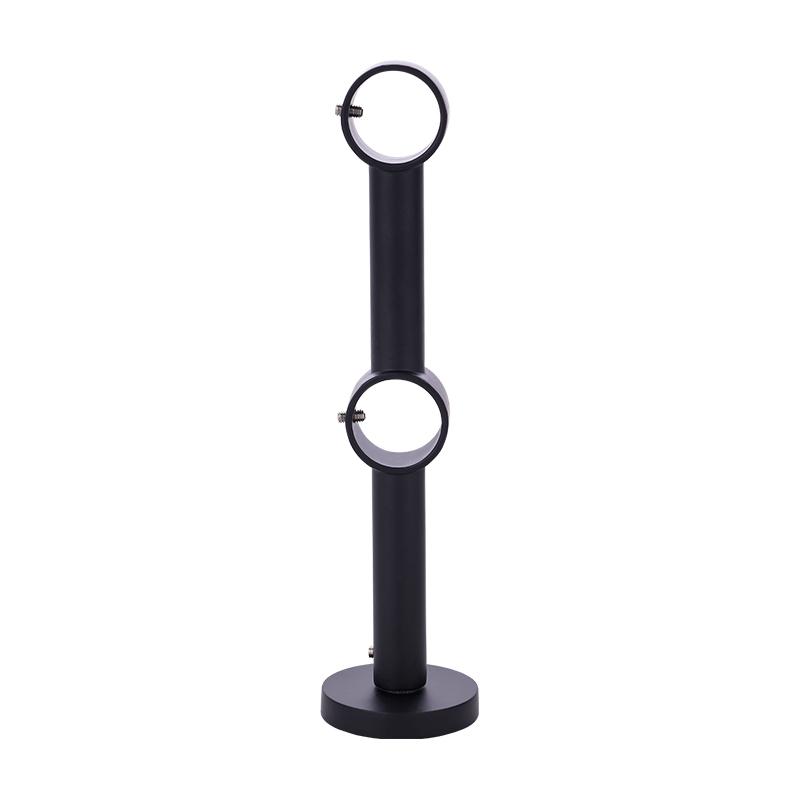
- Corner Brackets: Used for mounting curtain rods at 90-degree angles, these brackets are great for creating a corner curtain setup or for irregularly shaped windows.
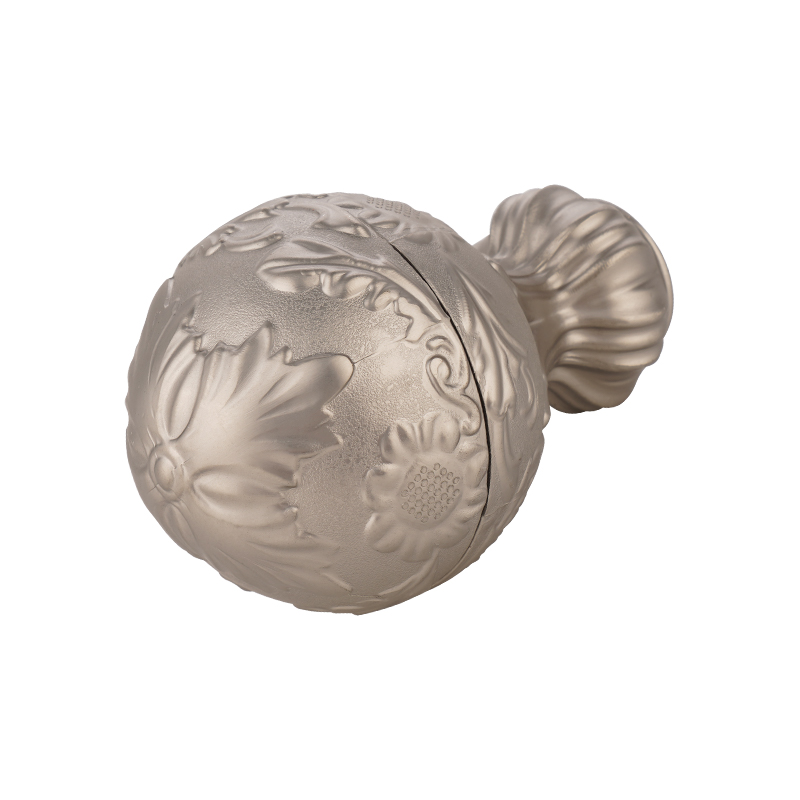
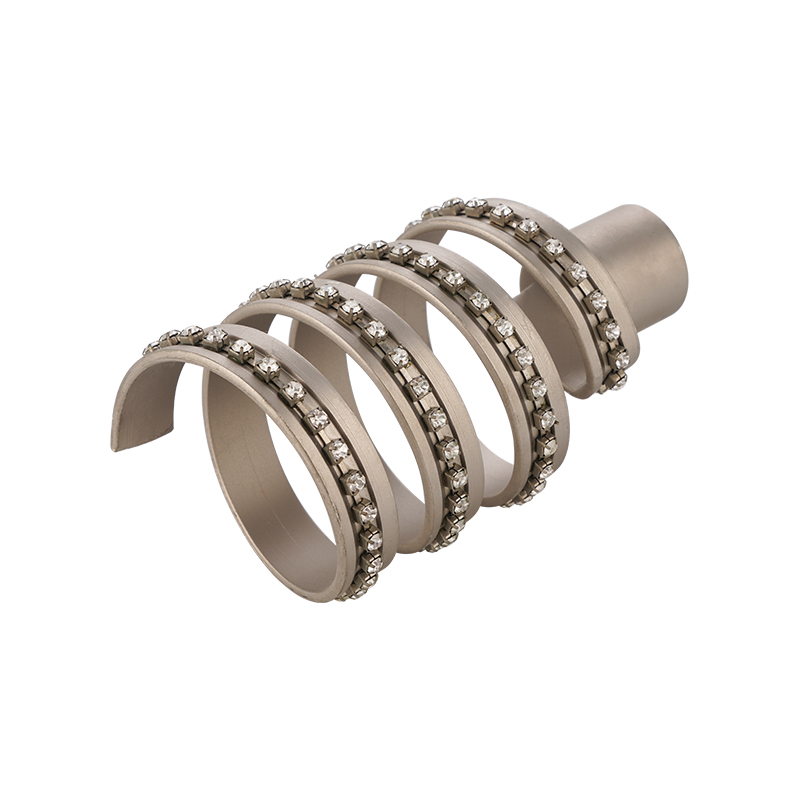
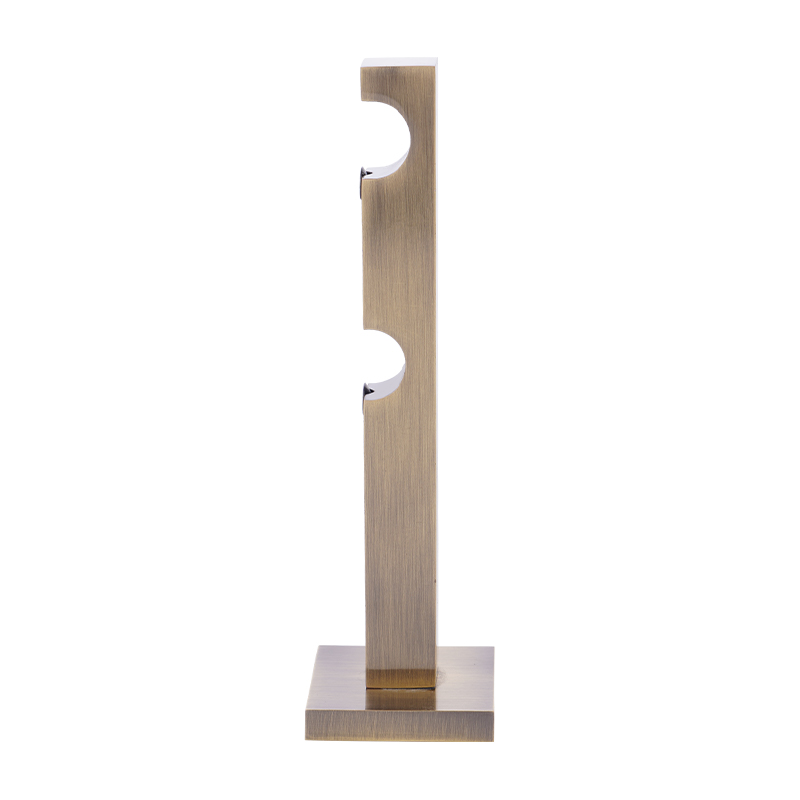
- Decorative Brackets: These brackets add a stylish touch to your window treatment while also offering the necessary support for the curtain rods. They come in various finishes and designs to complement your interior decor.
Choosing the Right Curtain Bracket
Selecting the right curtain bracket is essential for both functionality and aesthetics. Here are some factors to consider when making your choice:
- Weight Capacity: Ensure that the bracket can handle the weight of your curtain rod and curtains. Heavier curtains will require stronger, more durable brackets to avoid sagging or breakage.
- Material: Curtain brackets are made from various materials such as steel, brass, aluminum, and wood. Choose a material that complements your curtain rod and overall room design.
- Design: If you're aiming for a decorative look, choose a bracket with intricate designs or finishes that align with your room’s decor.
- Projection: Consider how far you want the curtain rod to extend from the wall. Adjustable brackets allow for more flexibility in the placement of your curtains, while fixed brackets offer a more streamlined look.
- Installation Method: Some curtain brackets require drilling and screws, while others are designed for easy installation with adhesive or tension mounts. Choose a method that suits your needs and skill level.
How to Install Curtain Brackets
Installing curtain brackets is a relatively simple task, but it’s important to follow the proper steps to ensure a secure installation. Here is a general guide to installing curtain brackets:
- Step 1: Measure the position of the curtain rod. Mark the desired height and width of the curtain rod with a pencil on the wall.
- Step 2: Determine the correct placement for the brackets. If you're using two brackets, make sure they are evenly spaced for balance. For a larger window, use more brackets for added support.
- Step 3: Drill holes into the wall at the marked positions. Make sure to use the right size drill bit for the screws provided with your brackets.
- Step 4: Attach the brackets to the wall using screws or wall anchors. Ensure the brackets are level and securely mounted.
- Step 5: Place the curtain rod onto the brackets and adjust it until it is properly aligned. If the curtain rod has additional supports, install those as well.
Common Mistakes to Avoid When Installing Curtain Brackets
While installing curtain brackets is relatively straightforward, there are common mistakes that many people make. Avoiding these errors can save you time and ensure a secure, long-lasting installation:
- Not Using a Level: Always use a level to ensure the brackets are mounted straight. Uneven brackets can cause the curtain rod to sag or become unstable.
- Choosing the Wrong Type of Wall Anchor: Make sure to use wall anchors suited to the material of your wall, such as drywall, brick, or concrete.
- Overloading the Brackets: Ensure that the brackets you choose can handle the weight of your curtain rod and fabric. Overloading can lead to sagging or damage over time.
- Incorrect Placement: Measure twice to ensure the correct position for your brackets, ensuring the curtain rod is placed at the right height and aligned with the window.