English
 中文简体
中文简体
 русский
 Español

Curtain rings are essential hardware components that directly affect how smoothly curtains slide, how much weight they can support, and the overall visual finish of window treatments. Choosing the right type, size, and material ensures durability, quiet operation, and a cohesive design that matches both residential and commercial interiors.
What Are Curtain Rings and Why They Matter
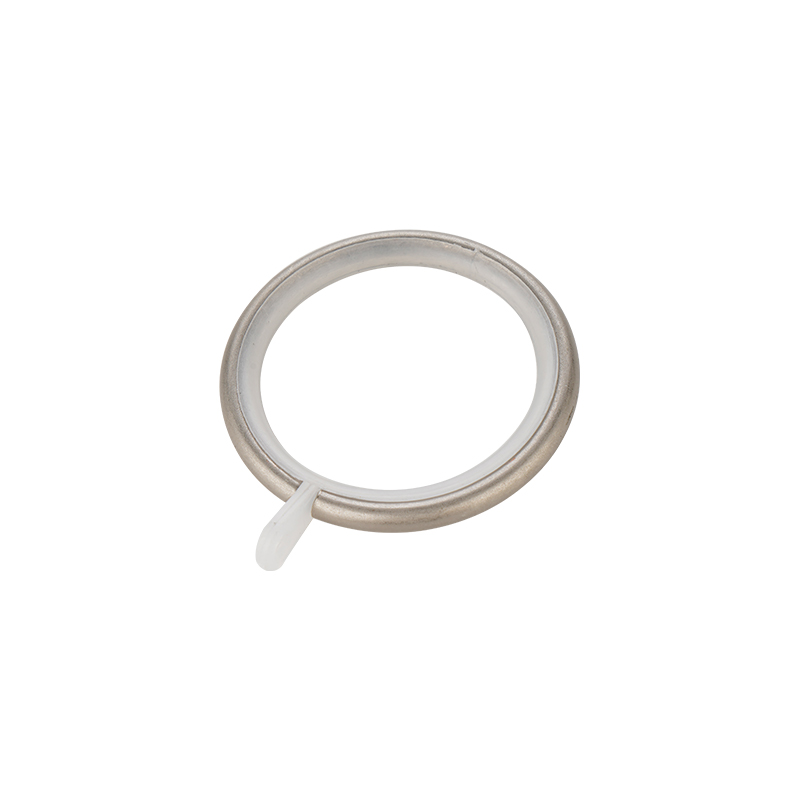
Curtain rings are circular attachments that connect curtains to a rod or track system. They allow fabric panels to glide easily when opening or closing, reducing friction and wear compared to direct rod insertion.
In both residential and commercial applications, curtain rings serve three core purposes: improving usability, supporting curtain weight, and enhancing aesthetics. For example, in hospitality environments, smooth-gliding rings can reduce daily wear by up to 30% compared to static rod pocket systems.
Common Types of Curtain Rings
Clip Rings
Clip rings feature small clamps that attach directly to curtain fabric, eliminating the need for sewn headers. They are widely used in modern interiors due to their flexibility and ease of installation.
Eyelet Rings
These rings are integrated into the curtain fabric itself. They provide a clean, uniform drape and are often used in contemporary designs where symmetry is important.
Hook Rings
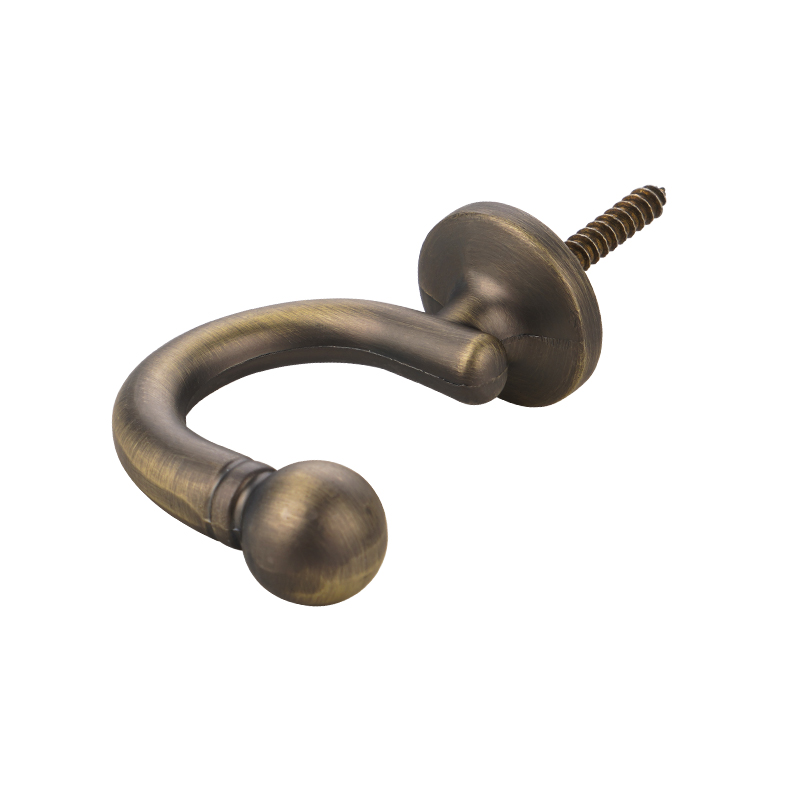
Hook rings are paired with curtain hooks or pleated headers. They are commonly used in heavier drapery systems, especially in hotels or formal interiors.
Silent or Lined Rings
Designed with nylon or plastic inserts, these rings reduce friction and noise. They are ideal for bedrooms and office spaces where quiet operation is a priority.
Material Options and Performance Differences
The material of curtain rings significantly affects durability, weight capacity, and appearance. Selecting the right material depends on usage frequency and curtain type.
| Material | Strength | Best Use | Notes |
|---|---|---|---|
| Metal (Steel/Iron) | High | Heavy curtains | Durable, long lifespan |
| Plastic | Medium | Lightweight curtains | Cost-effective |
| Wood | Medium | Decorative interiors | Aesthetic appeal |
| Stainless Steel | Very High | Outdoor/high humidity | Rust-resistant |
For commercial applications, metal and stainless steel rings are often preferred due to their ability to handle repeated daily use without deformation.
How to Choose the Right Size
Curtain ring size must match the curtain rod diameter to ensure smooth movement. A mismatch can cause friction, noise, or even damage to the rod finish.
- For 16mm rods: use 18–20mm inner diameter rings
- For 25mm rods: use 28–30mm rings
- Allow at least 2–3mm clearance for smooth sliding
- Heavier curtains require thicker ring profiles
In large installations such as conference halls, incorrect sizing can increase operating resistance by up to 40%, making daily use inconvenient.
Load Capacity and Durability Considerations
Curtain rings must support the full weight of the curtain panel. The number of rings used also plays a critical role in distributing load evenly.
- Light curtains: 6–8 rings per meter
- Medium curtains: 8–10 rings per meter
- Heavy drapes: 10–12 rings per meter
Using fewer rings than recommended can lead to uneven draping and increased stress on individual rings, reducing their lifespan significantly.
Design and Aesthetic Impact
Curtain rings are visible components that contribute to interior design. Their finish and style should complement curtain rods, fabrics, and surrounding decor.
- Matte black rings suit modern industrial interiors
- Brushed nickel pairs well with minimalist designs
- Wood rings enhance natural or rustic themes
- Gold finishes add luxury in hospitality settings
In high-end projects, matching hardware finishes can increase perceived interior value by 15–20%, according to interior design industry estimates.
Installation Tips for Smooth Operation
Proper installation ensures curtain rings function efficiently over time. Even high-quality rings can perform poorly if installed incorrectly.
- Ensure the rod surface is clean and smooth before installation
- Distribute rings evenly across the curtain width
- Test sliding movement before final curtain attachment
- Use lined rings for noise-sensitive environments
Applying a small amount of silicone-based lubricant can reduce friction and extend the lifespan of both rings and rods.
Applications Across Different Environments
Curtain rings are used in a wide range of environments, each with specific requirements for durability, aesthetics, and functionality.
- Residential: focus on style and ease of use
- Hotels: require high durability and quiet operation
- Offices: prioritize smooth, frequent operation
- Outdoor spaces: demand corrosion resistance
For example, coastal installations often use stainless steel rings due to their resistance to humidity and salt exposure, which can degrade standard metal finishes within months.