English
 中文简体
中文简体
 русский
 Español

Most curtain rod problems do not start with the rod itself. They start with the bracket. The bracket is the only hard point that transfers the weight of the rod and fabric to the wall or ceiling. Choose the wrong style, and you will fight with sagging rods, pulled-out anchors, or brackets that simply do not line up with your window. The good news is that curtain rod bracket types are easy to understand once you break them down by mounting surface, load, and design. This guide explains the main types, how to match them to your project, and what to check before buying.
Why the Bracket Type Matters
Brackets do more than hold a rod in place. They determine how far the rod extends from the wall, how much weight it can carry, and how the hardware integrates with the room. A lightweight, decorative bracket that works with a small cafe rod will not support a floor-length blackout curtain on a 28 mm metal rod. Likewise, a heavy-duty industrial bracket overpowers a delicate sheer curtain in a bedroom. The installation surface matters just as much. Drywall, plaster, wood studs, brick, and concrete each require different fixing methods, and the bracket body must allow for proper anchors or screws. When you know the type of bracket and its limits, you can avoid structural damage and make installation predictable.
Main Curtain Rod Bracket Types
All curtain rod brackets fall into a few functional families. Here are the types you will encounter most often, based on how they mount and what they do.
Wall-Mounted Brackets
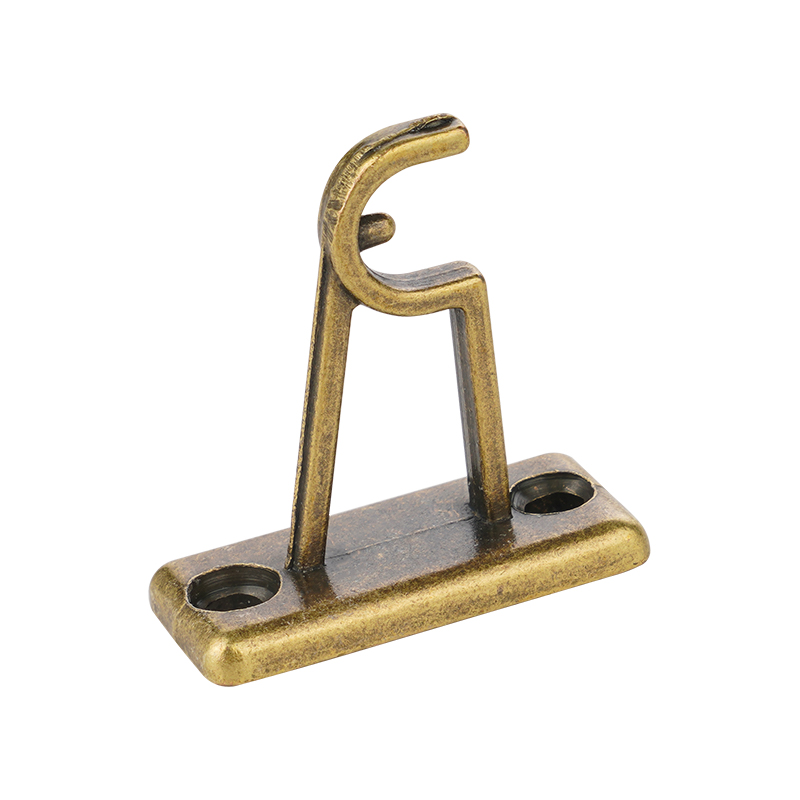
The wall-mounted bracket is the default for standard windows. It attaches to the wall or window trim and supports the rod from the side. The two key dimensions are the opening size, which must match the rod diameter, and the projection, which sets the distance between the rod and the wall. A small projection, around 20-50 mm, works for a single sliding panel. When you need extra space for heavy drapes or a double rod, choose a deeper projection. Wall brackets are available in steel, aluminum, zinc alloy, and iron, with finishes from matte black to polished chrome. Some wall brackets are single-arm; others have a wrap-around ring. For a very long rod, use a centre wall bracket in addition to the two end brackets. If your window has molding, a projection of 80 mm clears most trim. For a factory-made option, our wall bracket range covers common rod sizes and includes stamped steel bodies with a baked-on finish.
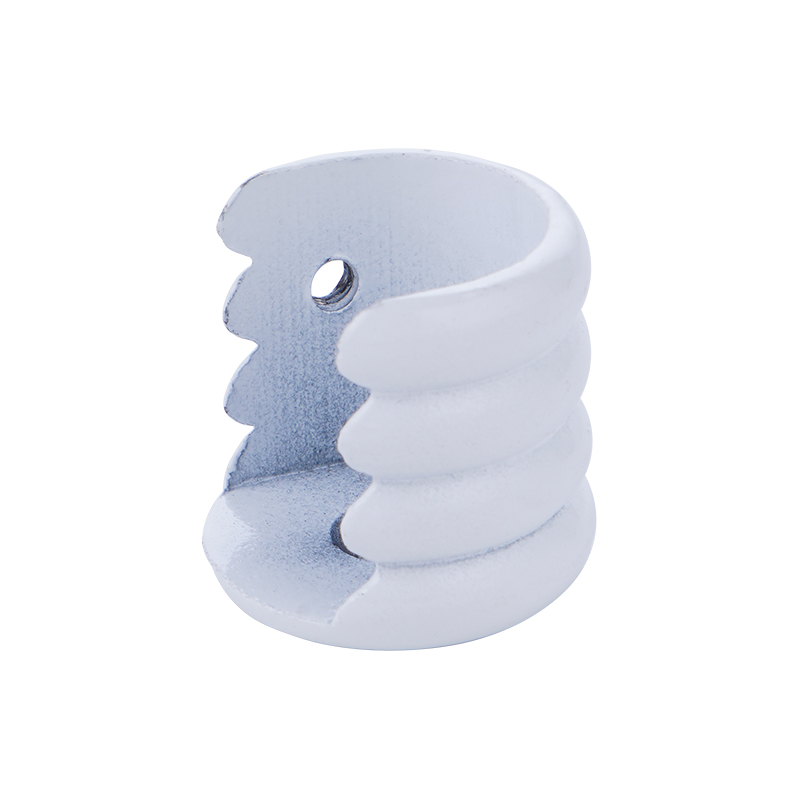 Curtain Wall Bracket for Secure Rod SupportCheck this wall bracket for standard window installations. It supports the rod from the side and comes in various projections to clear trim or fit double rods.View Product →
Ceiling-Mounted Brackets
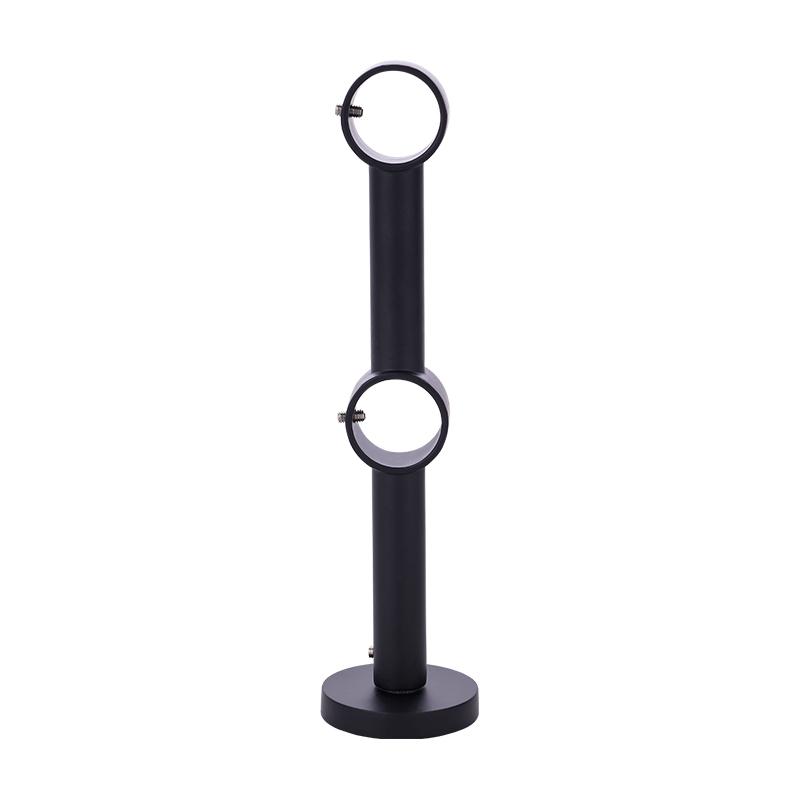
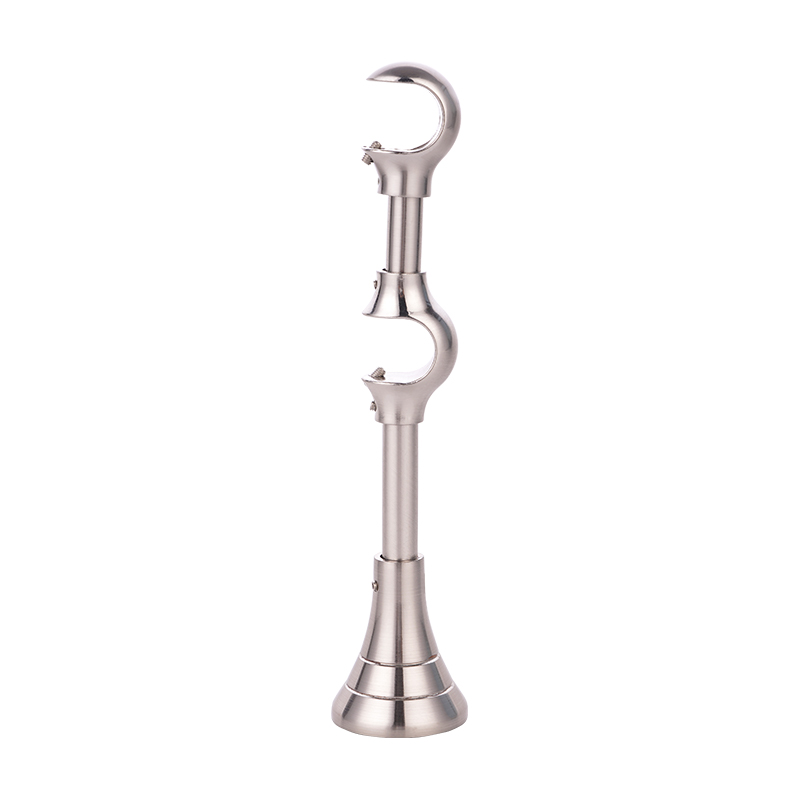
Ceiling-mounted brackets hold the rod from above. They are the right choice when the wall is too narrow, when the window extends close to a corner, or when you want floor-to-ceiling curtains that conceal a radiator or uneven floor. Ceiling brackets are often used with drapery rods that are meant to hang from above, or when you want the curtain to start at the ceiling to make the room look taller. These brackets require a solid anchor in the ceiling joist or a toggle bolt rated for the total weight. Because the load pulls downward, the fixing points are more critical than with wall brackets. Ceiling brackets often have a vertical stem that drops to the rod, so the stem length has to match the distance from the ceiling to the rod. The stem length and rod diameter must be specified when ordering. We offer ceiling brackets with a closed ring or an open hook - the open style makes it easier to lift the rod in and out.
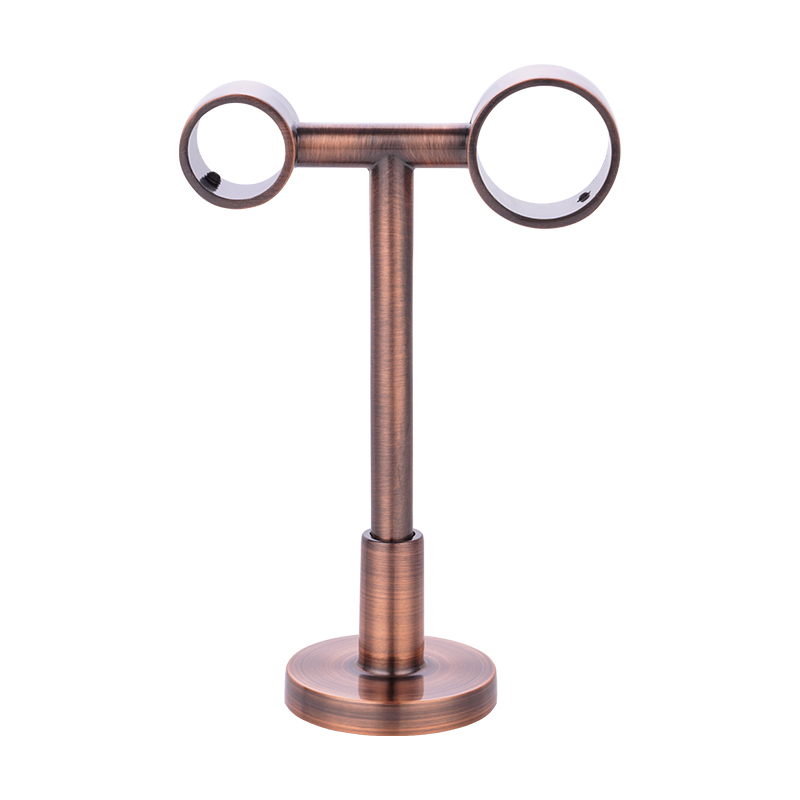 Curtain Ceiling Bracket with Closed Ring OptionConsider this ceiling bracket when wall space is tight or you want floor-to-ceiling curtains. Choose a closed ring or open hook style to match your rod.View Product →
Closed Brackets
Closed brackets, also called cap brackets, have a ring that wraps fully around the rod. The rod slides through the ring instead of resting in an open U. This design stops the rod from rolling or being lifted out accidentally, which is useful in family homes, near doors, or for an especially heavy rod. Closed brackets are sometimes called 'snap' or 'captive' brackets because the rod has to be threaded through them. They are not ideal for a rod with large finials that cannot be removed. The trade-off is that the finial cannot pass through the ring, so you have to install the finials after the rod is in place. Make sure the ring inner diameter is a few millimetres larger than the rod diameter to avoid scratching the finish.
Extendable Brackets
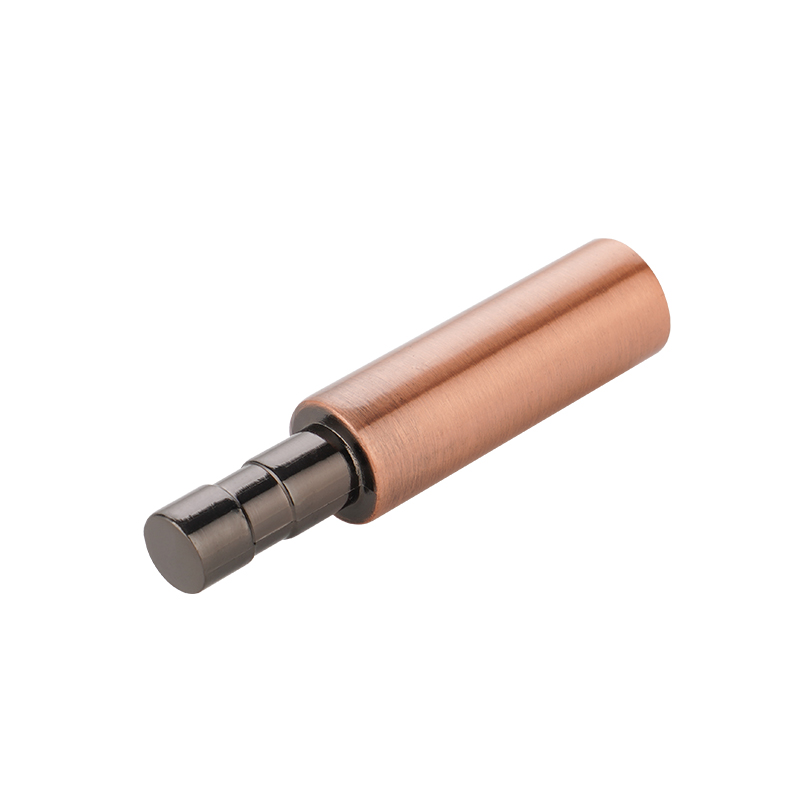
An extendable bracket has an adjustable arm or telescoping section that changes the projection without swapping the whole bracket. This is a practical choice when the window molding is unusually deep, when you want the rod to clear an obstruction such as a handle or wall sconce, or when you are not sure about the exact distance until installation. Extension ranges vary from about 50 mm to 150 mm. Some extendable brackets have a slotted arm and a wing nut; others use a telescopic tube and a set screw. The maximum extension is limited by the arm thickness, so do not remove the screw and rely on friction alone. Check that the arm locks firmly at the chosen length - a wobbly extension will defeat the purpose. We machine extendable brackets with a locking screw or set screw that holds the setting in place.
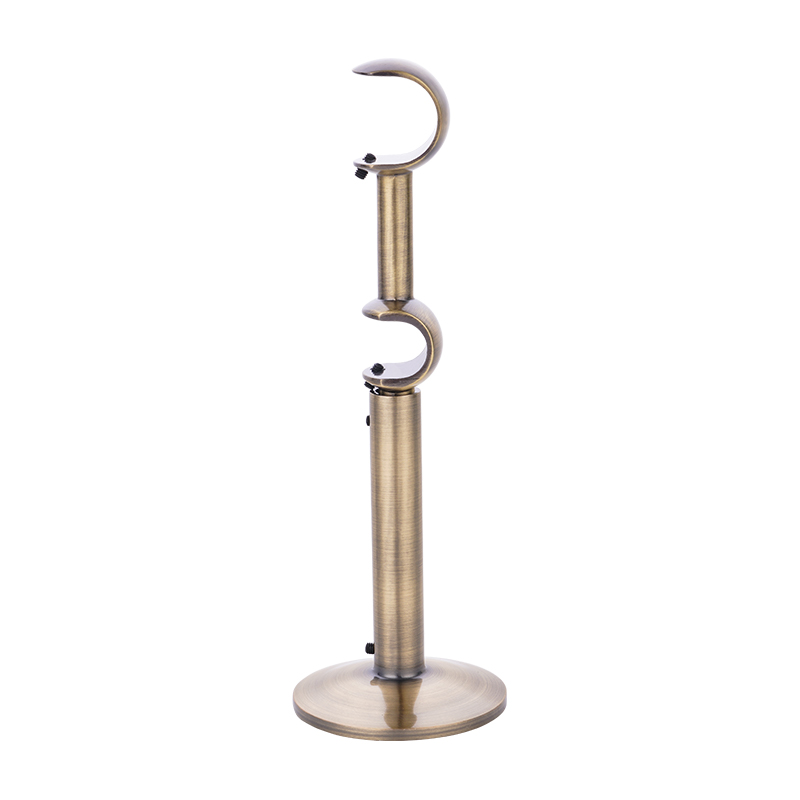 Curtain Extendable Bracket for Adjustable ProjectionUse this extendable bracket when window molding is deep or an obstruction must be cleared. Its adjustable arm locks at your chosen projection for a secure fit.View Product →
Rail Brackets
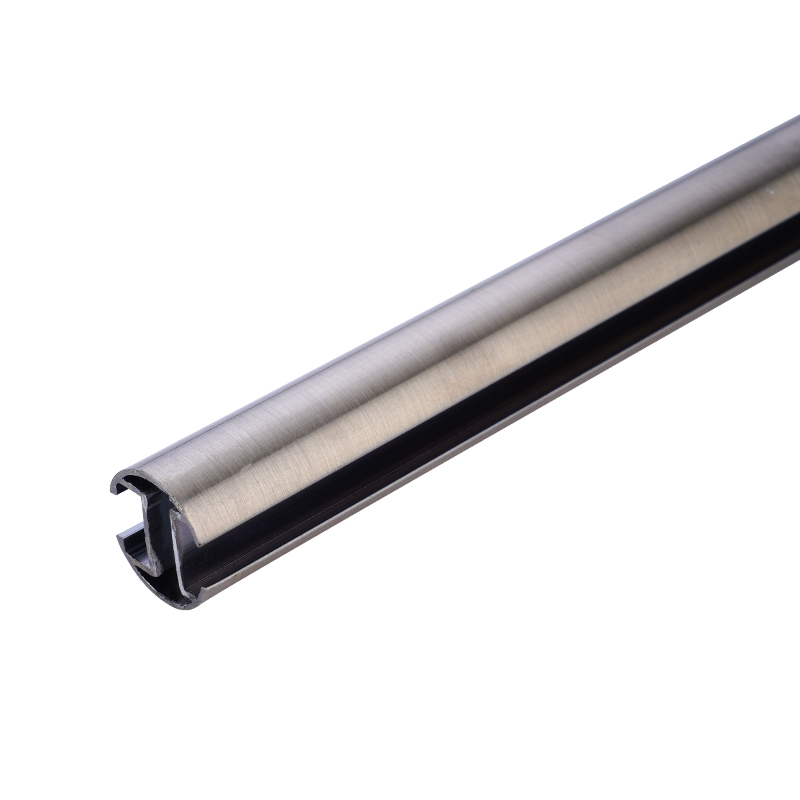
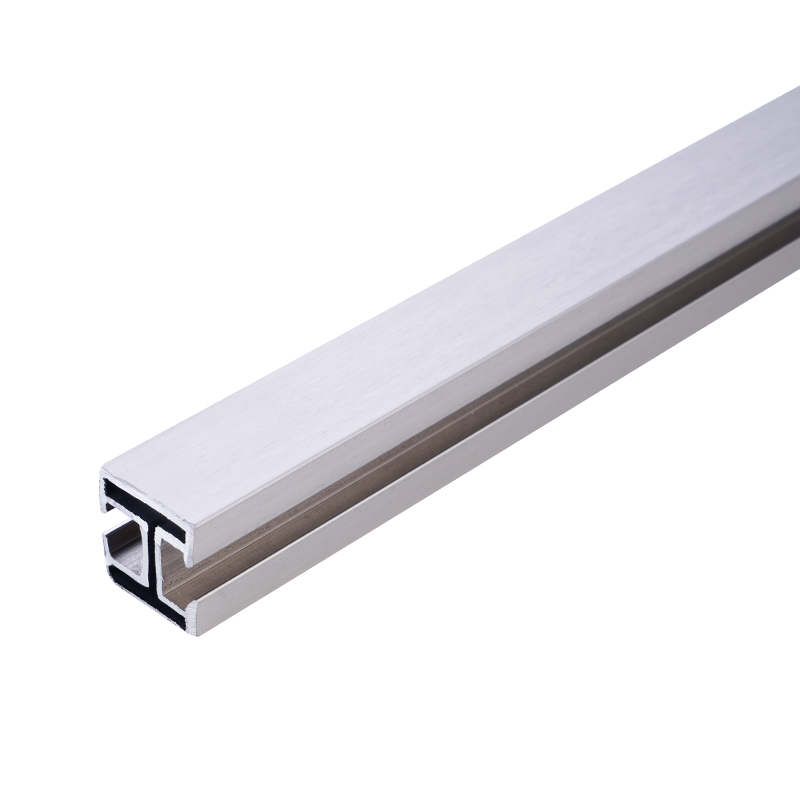
Rail brackets support curtain tracks (rails) rather than rods. They are smaller and often sit flush against the wall or ceiling, with a hook or clip that engages the rail's back channel. Rail brackets are less visible than rod brackets because they sit behind the track header. If you use a metal rail with a width of 13-31 mm or 20-20 mm, the bracket must match the rail profile. Rail brackets do not need to accommodate a rod diameter, but they still need to be anchored to strong material. For drapery tracks, you need enough brackets along the length; typical spacing is 60-90 cm. Some rail brackets are adjustable for different distances from the wall.
Decorative and Specialty Brackets
Beyond the functional categories, there are brackets designed mainly for visual impact. Iron brackets with scrolled arms, modern clear-acrylic designs, and classic phoenix-tail shapes all add a specific style. The important point is that decorative brackets still need to carry the load. A decorative bracket can be just as stable as a plain one if the base is broad and the arm is thick. Look for a mounting plate at least 3-4 mm thick in metal brackets. When choosing a shaped bracket, verify the material gauge and the thickness of the mounting plate. A thin stamped bracket may look elegant but could bend under a thick wooden rod. If you want a traditional or contemporary look without sacrificing strength, compare the weight rating and the material used for the arms.
| Type | Mounting Surface | Best Used For | Key Consideration |
|---|---|---|---|
| Wall-mounted | Wall or trim | Most standard window installations | Match rod diameter and projection |
| Ceiling-mounted | Ceiling | Floor-to-ceiling drapes, corner windows | Secure anchor required |
| Closed | Wall or ceiling | Heavy rods or areas where rod must not lift out | Finials installed after rod is placed |
| Extendable | Wall | Non-standard depths, clearing obstructions | Locking mechanism must be firm |
| Rail | Wall or ceiling | Curtain tracks and rails | Must match rail profile |
| Decorative | Wall or ceiling | Style-focused interiors | Check load rating and material thickness |
No single bracket type is 'best' in every situation. A long, heavy curtain over a standard window usually needs a wall-mounted bracket with a proper projection and a centre support. A window in a child's room may benefit from a closed bracket. The table above is a starting point; your actual choice depends on the rod size, fabric, and wall condition.
Material and Finish Considerations
The bracket material affects both strength and corrosion resistance. Steel brackets are strong and inexpensive, but they need a protective coating to avoid rust. Aluminum brackets are lightweight and naturally corrosion-resistant, making them a good choice for humid spaces. Zinc alloy brackets are typically die-cast into complex shapes, which is why you see them in decorative designs; they are sturdy but heavier and usually plated. Iron brackets are the heaviest and offer a traditional look, but they must be properly primed and painted to prevent rust.
Finish also matters. Powder-coated or baked enamel finishes are more durable than simple spraying. Chrome plating gives a bright, reflective surface that resists corrosion well. Brass and antique finishes use a lacquer topcoat. When you compare brackets, look for a finish that matches your rod and finials, and ask about salt-spray or humidity test results if the curtains are for a coastal or commercial environment.
How to Choose the Right Bracket
Use these checks before you order.
- Measure the rod diameter and the bracket opening. A clearance of 2-3 mm is ideal so the rod slides without binding.
- Decide the projection. For a single curtain, a projection of 60-80 mm gives enough clearance from the window and handle. For a double rod or thermal drapes, go to 100-150 mm.
- Calculate the total weight. A 25 mm metal rod with lined curtains can weigh 5-8 kg over a 3 m span. Use one bracket every 60-90 cm and add a centre support for spans over 1.8 m.
- Verify the wall or ceiling material. Drywall requires a toggle bolt or plasterboard anchor rated for at least twice the curtain weight. Wood studs can take a standard wood screw. Brick and concrete need a masonry drill bit and an expanding plug.
- Match the finish to the rod and finials. You can mix metals, but do so deliberately to avoid a cluttered look.
These steps also matter if you are sourcing brackets in volume. Consistent dimensions, load ratings, and finish tolerance are what determine whether a production run goes smoothly. That is why we publish the material, thickness, and coating information for each bracket series. If you are unsure which bracket goes with a specific curtain style, our guide on choosing the right curtain bracket according to the curtain type covers the main scenarios.
Installation and Safety Considerations
- Use a level to mark both bracket positions at the same height. Measure from the floor, not from the window, to avoid a slanted line.
- Locate the centre of the rod span and add a support bracket if the span exceeds 1.8 m. For a heavy fabric, add intermediate supports every 90 cm.
- If you mount into drywall, use a metal toggle bolt or a plasterboard anchor rated for at least twice the curtain weight. Do not rely on a simple screw.
- For concrete or brick, use an appropriate masonry bit and insert a plastic or metal plug before driving the screw.
- Insert all screws fully but avoid overtightening, which can strip the material or deform the bracket.
- Before hanging the curtain, test the rod by pulling it downward in the middle and at each bracket. Any movement means you need a stronger anchor or an additional support.
Selecting a curtain rod bracket is not about memorising every style on the market. It is about matching the mounting surface, load, projection, and design to the job. Start with wall-mounted or ceiling-mounted brackets for most windows, choose closed or extendable versions when the situation demands it, and treat decorative brackets as a style decision that still has to support real weight. With the right bracket, a curtain rod installs in minutes and stays fixed for years.
Because we manufacture brackets, rods, and finials in one facility, we see every day how the bracket type sets the limit for the whole system. If you are working on a project and need a specific shape, size, or finish, you can browse our curtain bracket collection or contact us with your drawings.