English
 中文简体
中文简体
 русский
 Español

Introduction to Curtain Rod Durability and Corrosion Resistance
Curtain rods are an essential component of any window treatment, providing support for curtains or drapes and contributing to the overall aesthetic of a room. Given their functional and decorative role, curtain rods must be durable and resistant to damage over time. One of the key factors that influence the longevity of curtain rods is their ability to resist corrosion, as these rods are often exposed to varying levels of humidity, heat, and moisture. The durability and corrosion resistance of curtain rods depend on the materials used, the finishes applied, and the environmental conditions they are exposed to. Understanding these factors can help consumers make informed decisions when choosing curtain rods for their homes or commercial spaces.
Materials Used in Curtain Rod Manufacturing
The durability and corrosion resistance of curtain rods are directly related to the materials used in their production. Various materials are commonly used for manufacturing curtain rods, each offering different levels of strength, resistance to corrosion, and visual appeal. Some of the most popular materials include wood, steel, aluminum, stainless steel, and brass. Each material has its own set of advantages and potential drawbacks when it comes to durability and corrosion resistance.
Wooden Curtain Rods
Wooden curtain rods are known for their natural beauty and classic appeal. While they are not as resistant to corrosion as metal rods, they can still offer a reasonable level of durability if properly maintained. Wood is generally not susceptible to rusting, but it can be prone to warping or rotting if exposed to excessive moisture over time. To improve their durability and resistance to environmental factors, wooden curtain rods are often treated with varnishes or lacquer finishes. These finishes help protect the wood from moisture, dust, and insects, extending the lifespan of the rod.
Steel Curtain Rods
Steel is a popular choice for curtain rods due to its strength and ability to support heavy curtains or drapes. Steel rods can be durable, but they are highly susceptible to rust and corrosion if not properly protected. The natural tendency of steel to oxidize when exposed to moisture or humidity can lead to unsightly rust stains and degradation of the rod over time. To mitigate this, steel curtain rods are often coated with a protective layer, such as powder coating or chrome plating, which helps prevent direct contact with moisture and air, thus reducing the risk of rust and corrosion.
Aluminum Curtain Rods
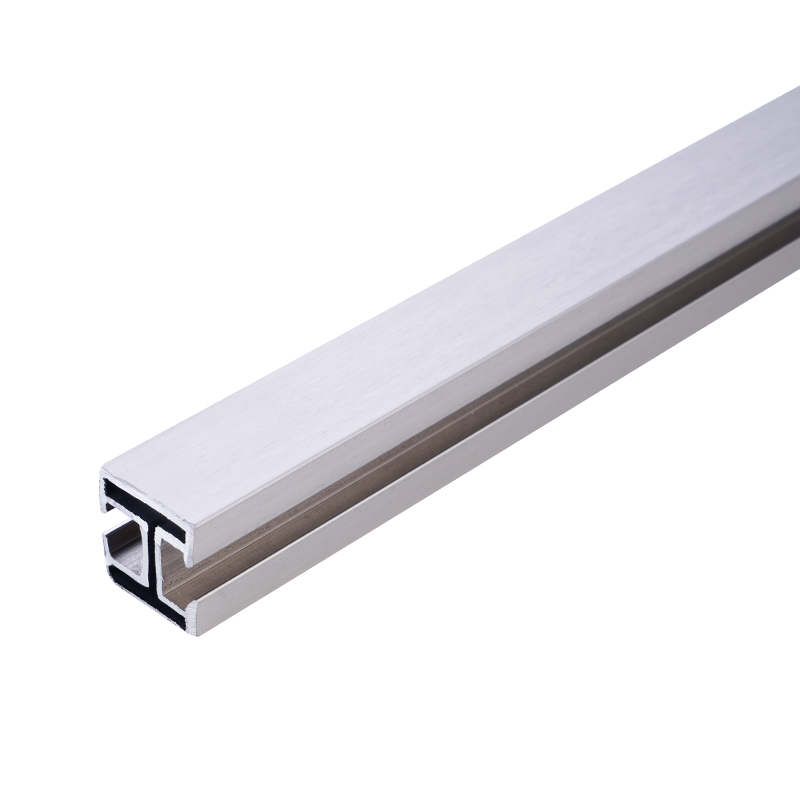
Aluminum is lightweight, resistant to rust, and relatively affordable, making it a popular choice for curtain rods. Unlike steel, aluminum does not rust when exposed to moisture, making it a more corrosion-resistant option. However, aluminum is softer than steel and may be more prone to bending or denting under heavy loads. Despite this, aluminum curtain rods are typically very durable when used in appropriate settings, and their resistance to corrosion makes them ideal for use in areas with high humidity, such as bathrooms or kitchens. Aluminum curtain rods are also available in a variety of finishes, such as anodized coatings, which further enhance their corrosion resistance and appearance.
Stainless Steel Curtain Rods
Stainless steel is often considered one of the most durable and corrosion-resistant materials for curtain rods. Its natural resistance to rust, corrosion, and staining makes it a popular choice for modern and industrial-style interiors. Stainless steel curtain rods are highly resistant to environmental factors like moisture, heat, and humidity, making them suitable for a variety of settings, including bathrooms, kitchens, and coastal areas where saltwater exposure is common. Although stainless steel is more expensive than other materials, its longevity and resistance to corrosion make it a worthwhile investment for those seeking long-term durability.
Brass Curtain Rods
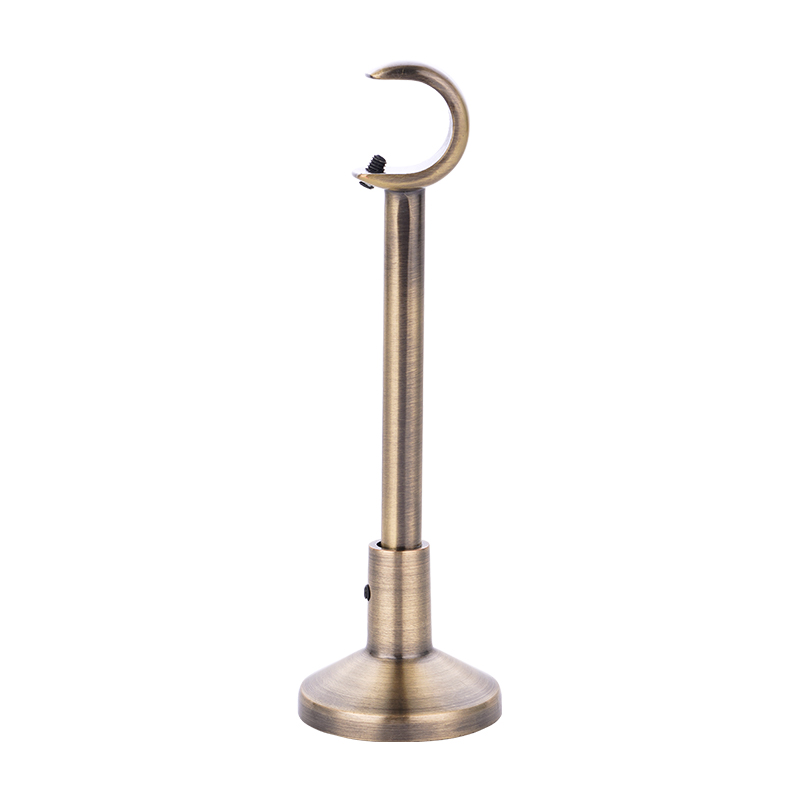
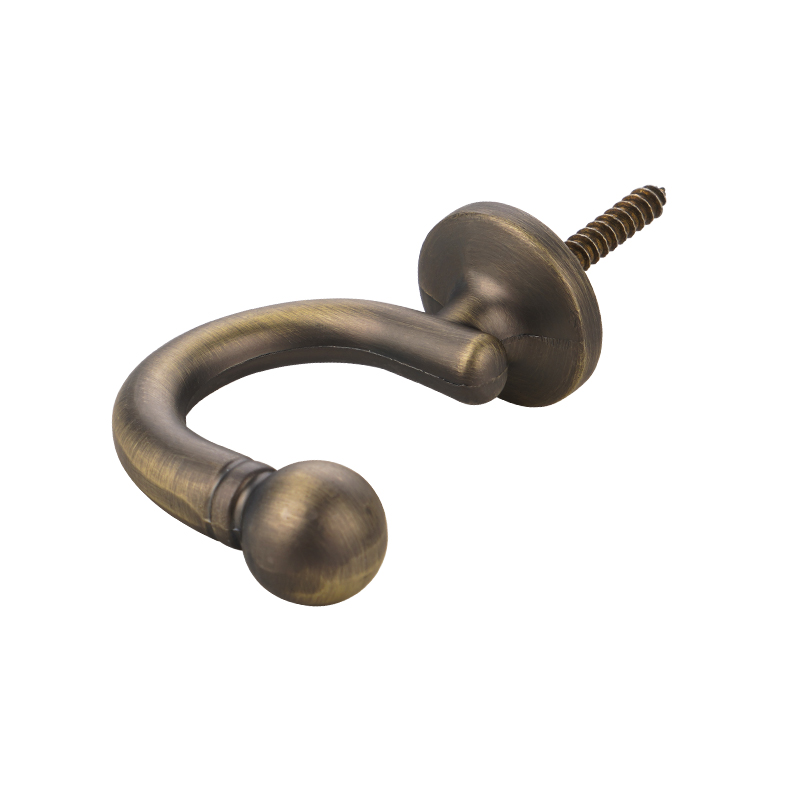
Brass is another material used in the construction of curtain rods, valued for its vintage appeal and golden hue. Brass curtain rods are typically more durable than wooden or aluminum rods but may not be as resistant to corrosion as stainless steel. Over time, brass can develop a natural patina, which can either be a desirable aesthetic feature or a sign of wear. To prevent brass curtain rods from corroding, they are often coated with a protective layer of lacquer. However, without proper care, brass rods can tarnish or corrode when exposed to moisture or humidity, especially in coastal or high-moisture environments.
Protective Finishes and Coatings
To improve the durability and corrosion resistance of curtain rods, many manufacturers apply various protective finishes or coatings to the surface of the material. These finishes help safeguard the rod against the damaging effects of moisture, heat, and physical wear. Some of the most common finishes include powder coating, chrome plating, and anodized coatings.
Powder coating is a popular option for metal curtain rods, providing a smooth, durable finish that resists chipping, scratching, and fading. The coating also acts as a barrier to moisture and helps prevent corrosion. Chrome plating, often used on steel or brass rods, provides an attractive, glossy finish and offers a high level of protection against rust and corrosion. Anodized aluminum, which involves an electrochemical process that thickens the natural oxide layer on the surface of the metal, significantly enhances the corrosion resistance of aluminum curtain rods.
Environmental Factors Affecting Curtain Rod Durability
The durability and corrosion resistance of curtain rods are not only determined by the material and coatings but also by the environmental conditions to which they are exposed. Factors such as humidity, temperature, and the presence of chemicals can all influence how well a curtain rod holds up over time. For example, curtain rods used in bathrooms or kitchens are more likely to be exposed to moisture and humidity, increasing the risk of corrosion. Similarly, curtain rods installed near windows that receive a lot of direct sunlight may be more prone to fading or warping over time.
In coastal areas, where saltwater exposure is common, curtain rods are at a higher risk of corrosion, especially if they are made from materials like steel or brass. Stainless steel curtain rods, however, are well-suited for such environments due to their resistance to corrosion caused by salt and moisture. To maintain the longevity of curtain rods in high-humidity or coastal areas, regular cleaning and maintenance are essential. This may involve wiping down the rods to remove dust, moisture, and salt residues, as well as ensuring that they are properly installed to avoid direct contact with water sources.
Choosing the Right Curtain Rod for Durability and Corrosion Resistance
When selecting a curtain rod, it is important to consider both the aesthetic preferences and the environmental conditions in which the rod will be used. For dry indoor environments, materials like wood or aluminum may suffice, offering both durability and a visually appealing finish. However, in areas exposed to high humidity, such as bathrooms or coastal regions, corrosion-resistant materials like stainless steel or anodized aluminum are better choices due to their superior resistance to environmental stressors.
The weight of the curtains or drapes to be hung also plays a role in the selection of the curtain rod. Heavier curtains require stronger rods, and materials like stainless steel or steel, which have higher load-bearing capacities, may be more suitable for this purpose. Additionally, the rod's design and mounting hardware should be taken into account to ensure that it can handle the weight of the curtains without compromising stability.
Maintenance Tips for Extending Curtain Rod Lifespan
Proper maintenance is essential for ensuring the longevity of curtain rods, particularly when it comes to preventing corrosion and wear. Regular cleaning is an important aspect of maintaining curtain rods. For metal rods, it is advisable to use a soft cloth and mild detergent to clean the surface, avoiding abrasive cleaners that could damage the protective finish. For wooden rods, wiping them down with a damp cloth and applying a protective varnish or polish can help preserve their appearance and prevent damage from moisture.
For curtain rods in humid environments, periodic inspections for signs of rust, corrosion, or wear are essential. If any corrosion is detected, it should be addressed immediately by removing the affected area and applying a fresh coat of protective coating, such as a rust-resistant spray or polish. In some cases, replacing the curtain rod may be necessary if the damage is extensive or if the rod no longer functions properly.