English
 中文简体
 русский
 Español

A 190 cm window, a 25 mm rod, and a bracket that lands 9 cm short of the wall corner: that is the usual result when someone measures the glass and orders hardware before checking the wall. The reliable method is to measure the wall opening first, then treat rod length, bracket projection and mounting height as three separate decisions.
For a typical outside mount, start with the full window frame width and add 10–20 cm on each side. That gives the visible rod length. Then add finial width, check bracket projection and confirm the rod will clear curtains, blinds, handles and radiators. If any one of those numbers is missing, the rod may fit the window but not the room.
Start with the wall, not the glass
Curtain rods are measured against the mounting surface, not the glass pane. An inside mount sits within the window recess; an outside mount sits on the wall above and beyond the frame. The same window can need two very different rod lengths depending on that choice.
| Mount type | What to measure | Typical rod allowance | Main risk |
|---|---|---|---|
| Inside mount | Recess width at top, middle and bottom; use the smallest figure | 1–2 cm less than the recess | Out-of-square recess or tile lip |
| Outside mount | Full frame width plus available wall space | 10–20 cm beyond each side | Running out of wall before the finial |
| Ceiling mount | Wall-to-wall or ceiling projection | Same side allowance, plus ceiling clearance | Bracket height clashes with cornice |
| Bay window | Each facet separately, plus corner clearance | 5–10 cm per corner | Assuming the bay is symmetrical |
Mounting decision tree
- Is there a deep recess?
- Yes: inside mount. Measure the recess width at three points and use the smallest figure.
- No: outside mount. Measure the frame width and the wall space on both sides.
- Does the curtain need to stack clear of the glass?
- Yes: add 15–20 cm per side.
- No: 10 cm per side is a practical minimum.
The three measurements that control fit
Write down three numbers before shopping: rod length, bracket projection and mounting height. Fabric can tolerate a few millimetres of error; fixing holes cannot.
- Rod length — the visible rod from end to end, excluding finials unless you are checking overall wall space.
- Bracket projection — how far the rod stands off the wall. This decides whether curtains clear handles, sills, blinds and radiators.
- Mounting height — from floor or ceiling to the centre of the rod. This sets the curtain drop and the visual proportion above the window.
Use one unit throughout. A common trade error is mixing millimetres on the bracket template with centimetres on the rod order. A 2 mm difference in bracket placement is minor; a 20 mm difference in rod length is visible at the finial.
How to calculate rod length without guessing
Rod length equals window width plus the side allowance twice. Then check finial clearance and the remaining wall space. For a 120 cm window with 15 cm added on each side, the rod is 150 cm. If each finial adds 4 cm, the overall width becomes 158 cm. On a wall that ends 160 cm from the window edge, that leaves only 2 cm of spare space.
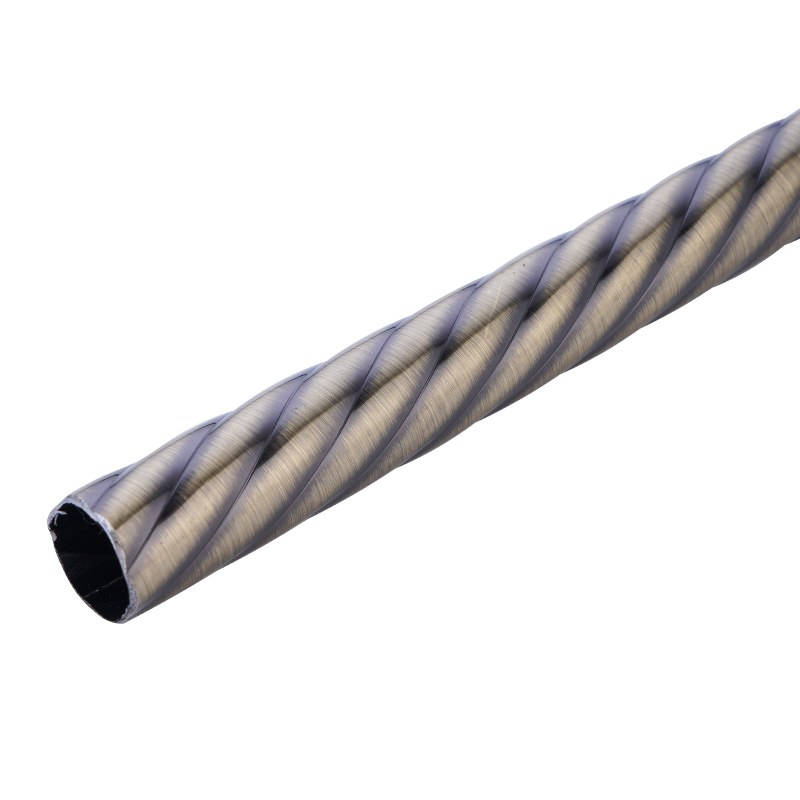
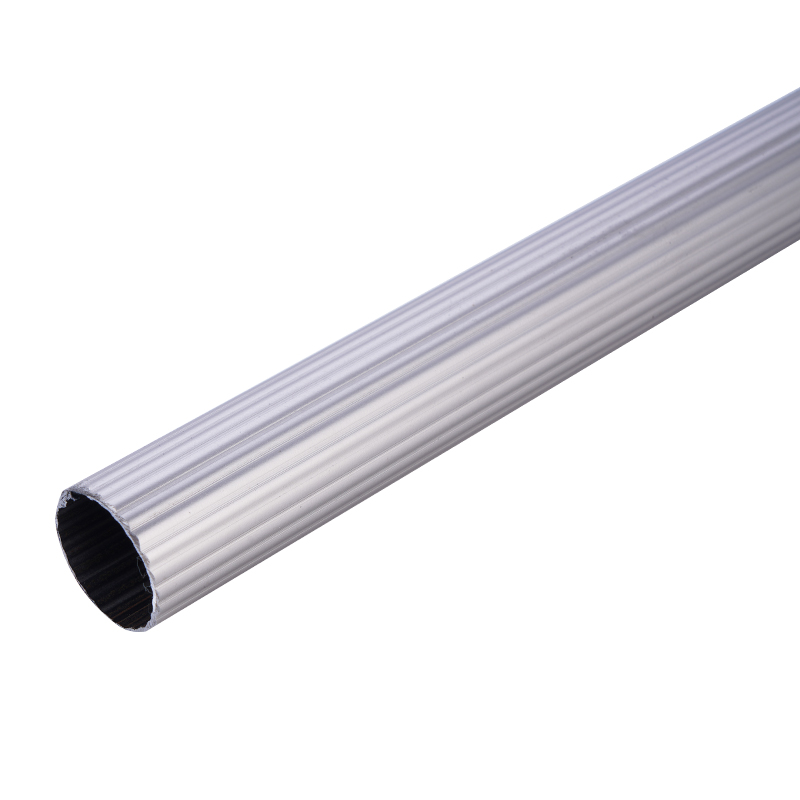
For a long span, a connector or centre bracket keeps the rod straight. A 25 mm rod over 240 cm with heavy fabric will sag without a centre support. If the span reaches 300 cm, step up to a 28 mm rod or use a track. The same logic applies to aluminium curtain rods: diameter and wall thickness matter as much as length.
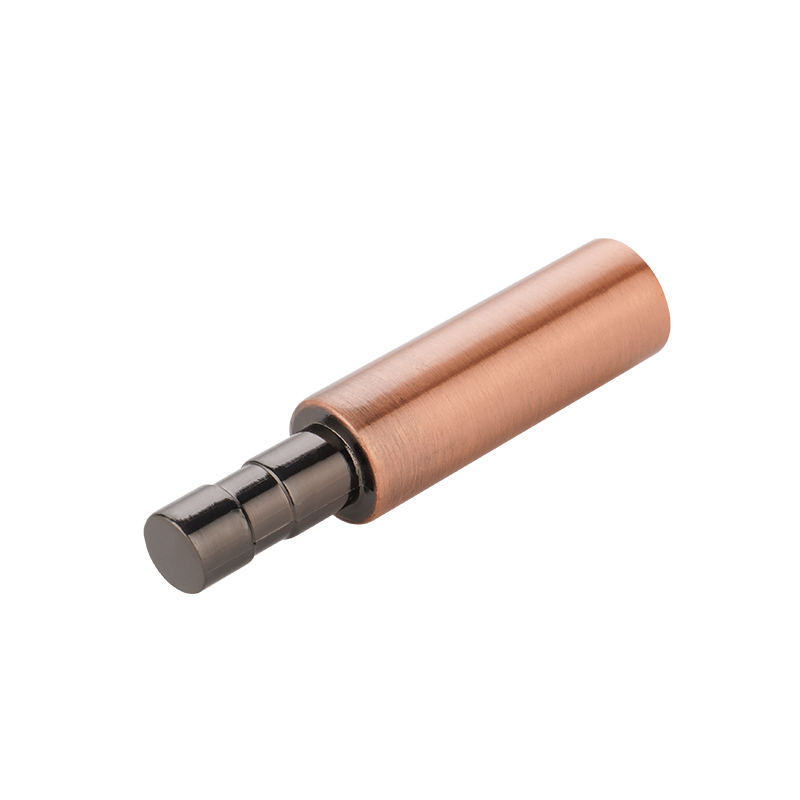 Curtain Rod Extension Connectors for Longer SpansThese wholesale connectors join two curtain rods to extend coverage for larger windows, useful when a long span needs a practical joining accessory.View Product →
Bracket projection and finial clearance
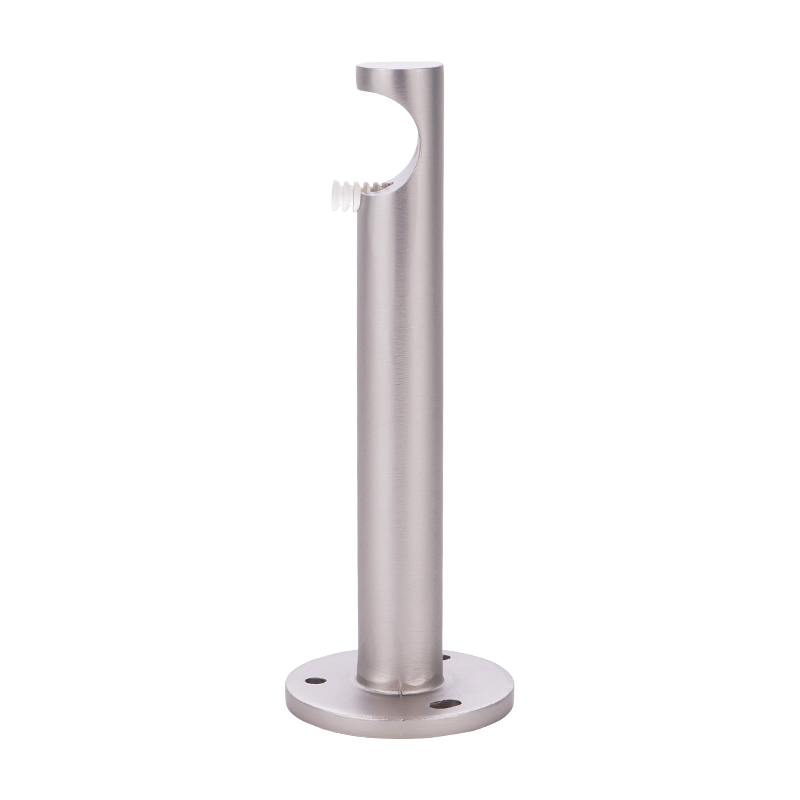
For most curtains, bracket projection should be 8–12 cm. Use 12–15 cm when heavy fabric, a radiator or a blind sits behind the curtain. Projection is measured from the wall surface to the centre of the rod, not from the bracket base to the tip.
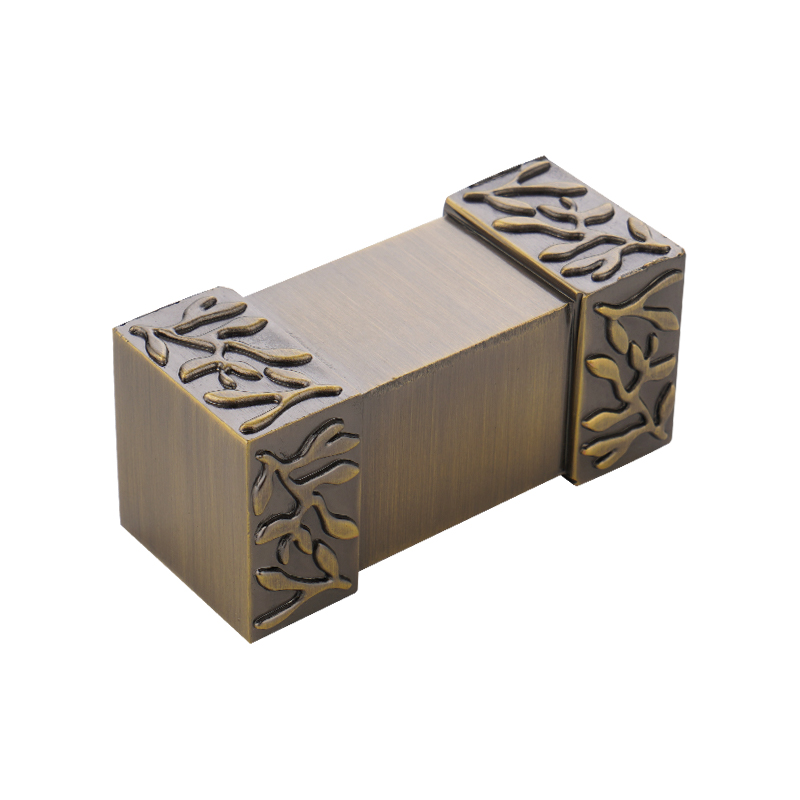
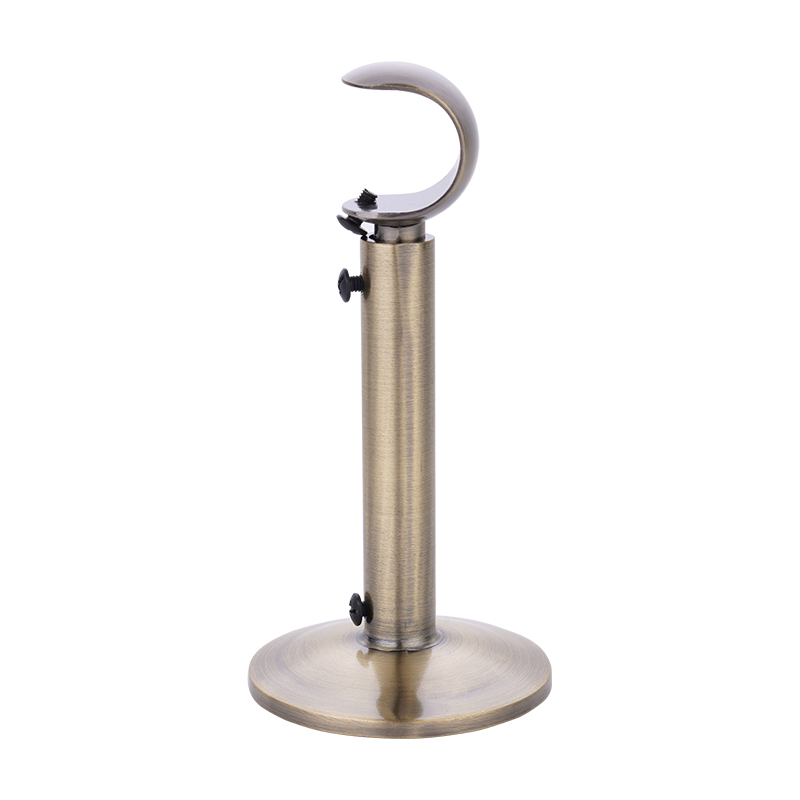
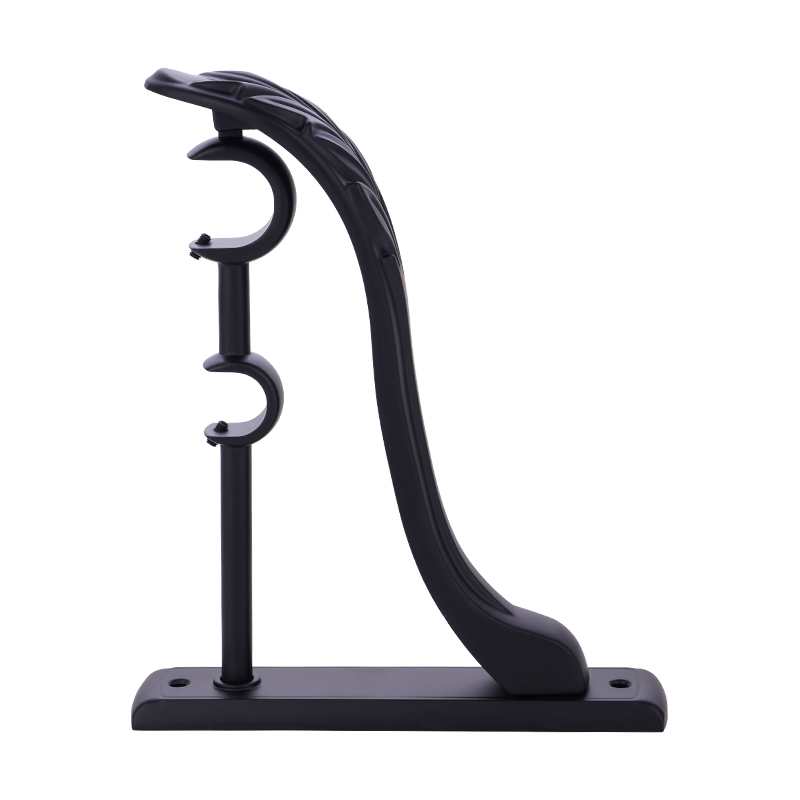
Finials add 3–8 cm at each end, and returns or holdbacks need extra room. Check the bracket type against the curtain heading: a ceiling bracket solves a cornice clash, while an extendable bracket helps when the fixing points do not align with the window frame. This bracket type guide is useful when the window has deep reveals or uneven plaster.
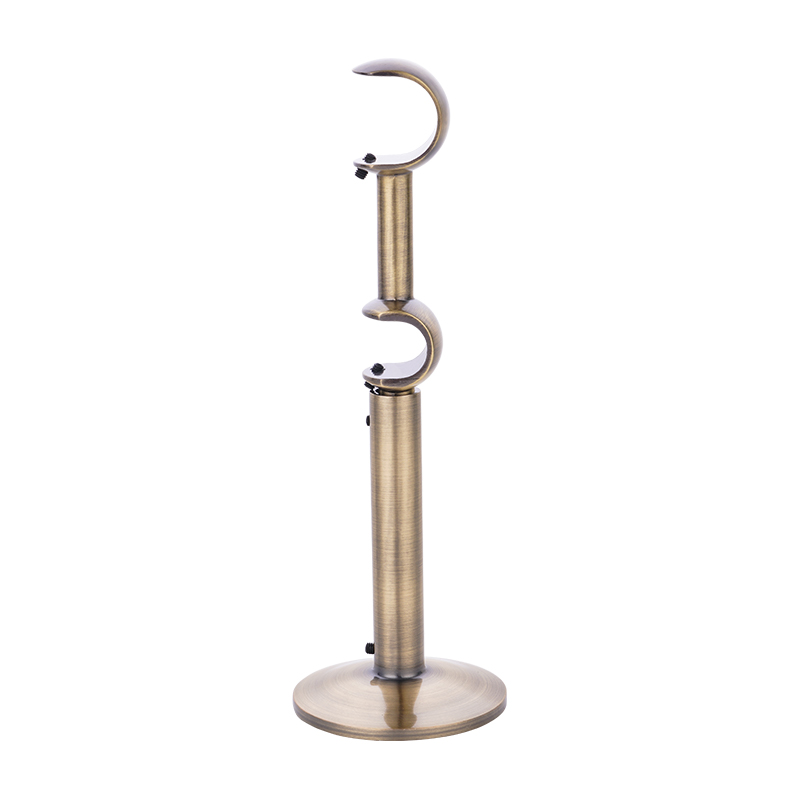 Curtain Extendable Brackets for Wall or Ceiling MountingAdjustable brackets support curtains and suit wall or ceiling installation, helping with deep reveals, uneven plaster or fixing points that do not align.View Product →
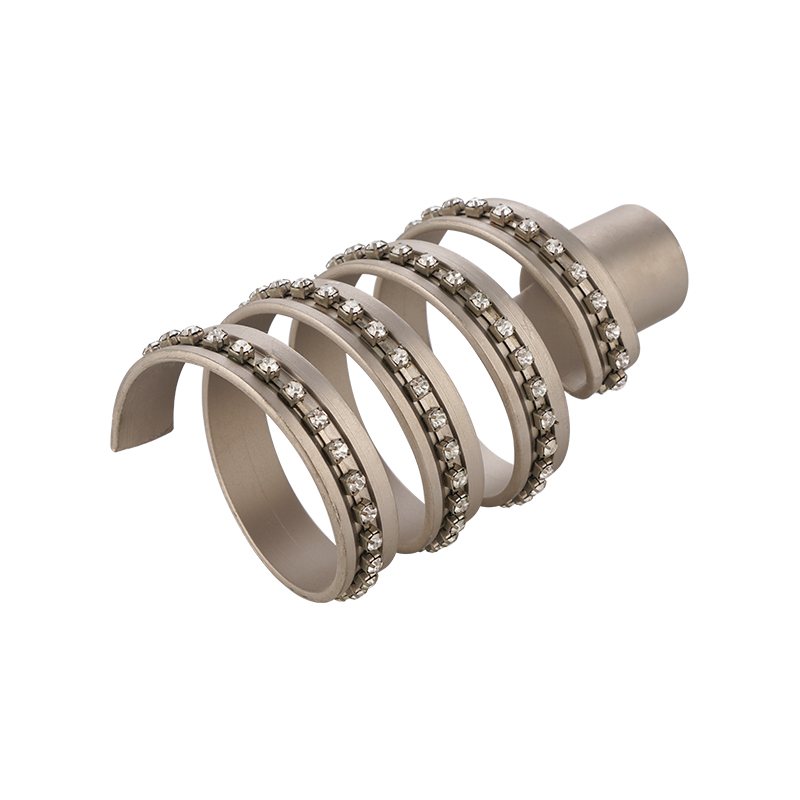
Finial clearance is often forgotten because the rod is ordered first and the finial is chosen later. A 6 cm crystal finial can turn a 200 cm rod into a 212 cm overall fitting. Measure the available wall from corner to corner before committing.
 Curtain Crystal Finials for Decorative Window DisplaysDecorative crystal finials add sparkle to curtain edges or tops; check rod clearance and support because they add weight to the suspension system.View Product →
Mounting height and curtain drop
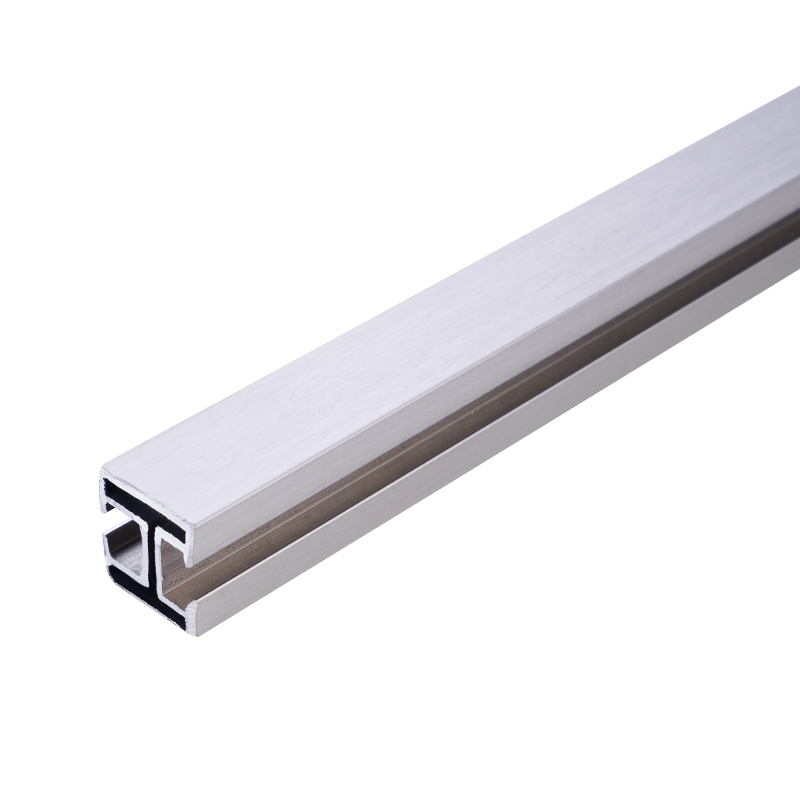
For standard curtains, mount the rod 10–15 cm above the window frame. On a high ceiling, 15–20 cm often looks better because it lifts the eye. For a ceiling mount, keep the rod 8–10 cm below the ceiling unless the track is recessed.
| Treatment | Rod centre above frame | Drop check |
|---|---|---|
| Standard pencil pleat | 10–15 cm | 1–2 cm above floor |
| Eyelet or tab top | 12–18 cm | Allow for ring or eyelet drop |
| Sill-length curtain | 10–15 cm | 1 cm above sill |
| Ceiling-mounted track | 8–10 cm below ceiling | Measure ceiling to floor |
Common measuring mistakes
| Mistake | Effect | Correction |
|---|---|---|
| Measuring only the glass | Rod too short; curtains cover the frame | Measure the full frame width and add side allowance |
| Forgetting finial width | Finial hits a corner or wall | Add finial length twice before ordering |
| Ignoring bracket projection | Curtain rubs a sill, handle or radiator | Measure wall to rod centre, not bracket base to tip |
| No stack-back allowance | Curtain blocks part of the glass when open | Add 15–20 cm per side for fuller curtains |
| Mixing mm and cm | Rod or fixing holes off by a visible margin | Record every figure in one unit |
Special windows and long spans
Measure each section separately. Bay windows are rarely symmetrical, and a corner window needs a corner bracket or a ceiling mount so the rod can turn without a gap. For sliding glass doors, measure the full frame width and add 20 cm per side; the curtain should stack beyond the glass, not across it.
French doors need a rod above the door head, with enough projection for the door to swing. If two neighbouring windows share a wall, one continuous rod can look cleaner, but check that the brackets land on studs or suitable fixings. For spans over 240 cm, use a centre bracket or connector; for spans over 300 cm, a track is often the safer choice. A manufacturer with its own mould centre can match rod diameter, bracket projection and finial size as one system rather than three separate purchases.
A short checklist before ordering
- Window width at top, middle and bottom.
- Wall space left and right, including corners.
- Rod length with and without finials.
- Bracket projection and fixing type.
- Mounting height and finished curtain drop.
- Rod diameter, ring size and centre support for long spans.
If those numbers agree, the rod will look intentional rather than almost right. Measure once in millimetres or centimetres, write it down, and order the rod, brackets and finials as one system.