English
 中文简体
 русский
 Español

A 25 mm curtain ring will not run on a 28 mm rail, and a heavy zinc-alloy hook can bind at a bracket if the ring clearance is too tight. In a hook curtain rail system, most operating faults start at these small interfaces rather than in the curtain fabric. The practical rule is to specify the rail, hook, ring or glider, and bracket together. Check four dimensions before ordering: rail outside diameter, hook wire or pin size, ring inner diameter, and bracket spacing. If one is wrong, the curtain will drag, jump, or transfer load to the fixings.
What a Hook Curtain Rail Includes
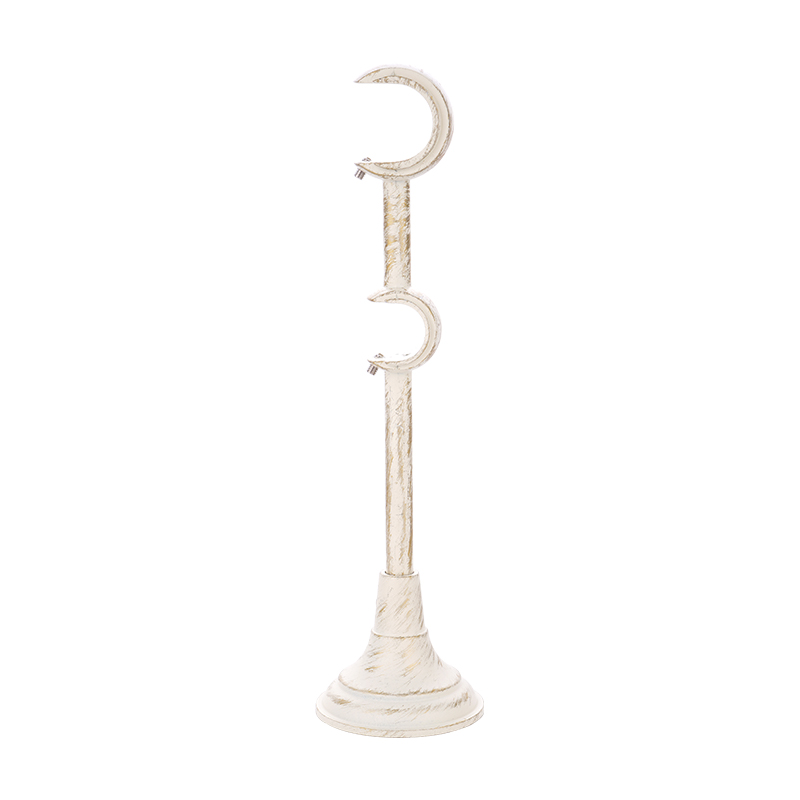
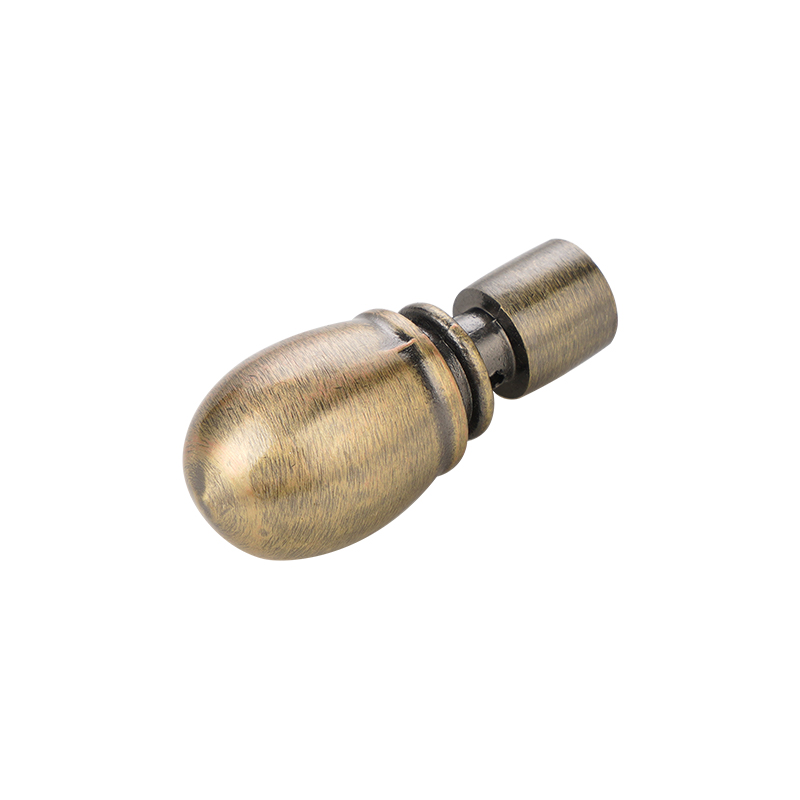
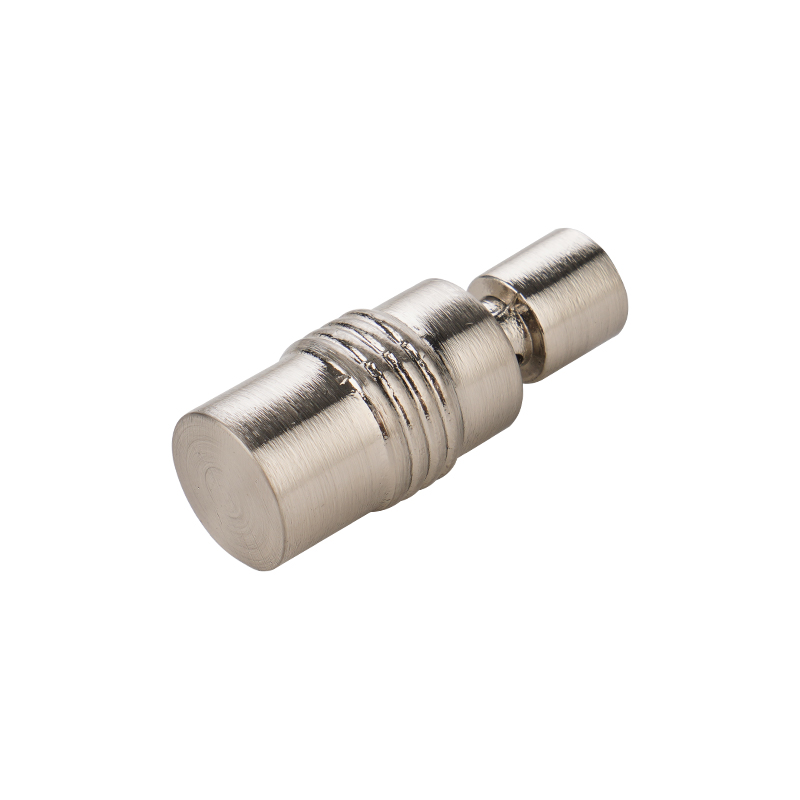
A hook curtain rail is not just a length of metal with hooks attached. It is a carrying system. The rail sets the running path and the maximum curtain weight. Gliders or rings provide the moving interface. Hooks connect the curtain heading to those rings or gliders. Brackets hold the rail at a fixed distance from the wall or ceiling, and endcaps or finials close the ends so the runners cannot escape.
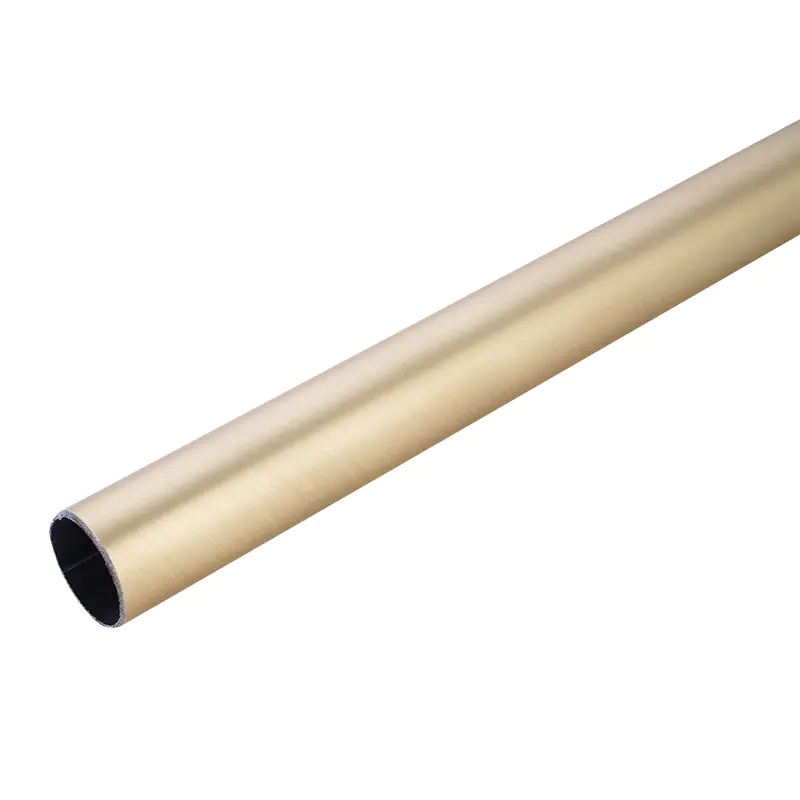
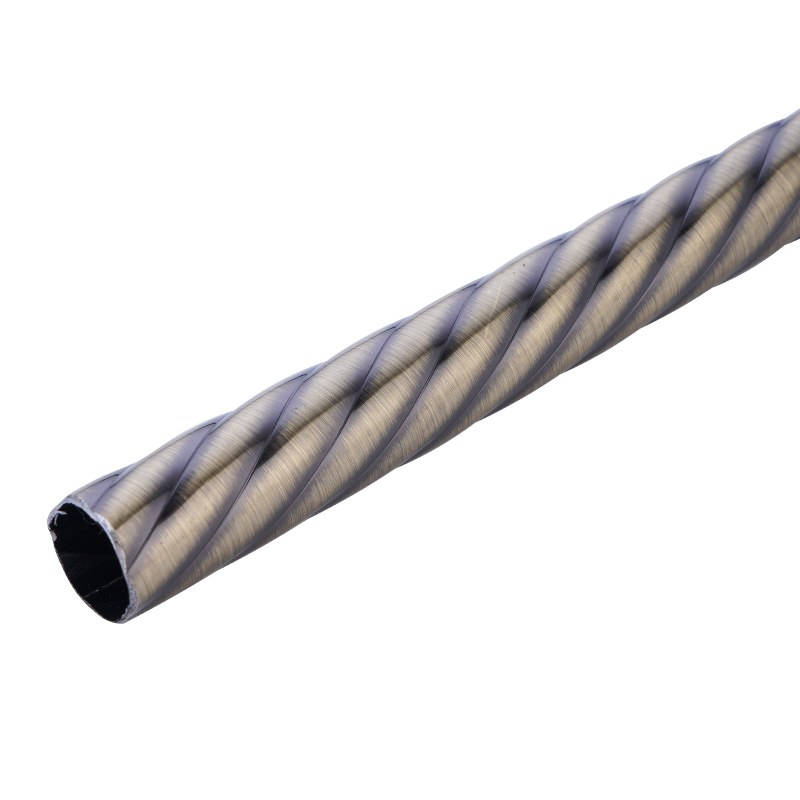
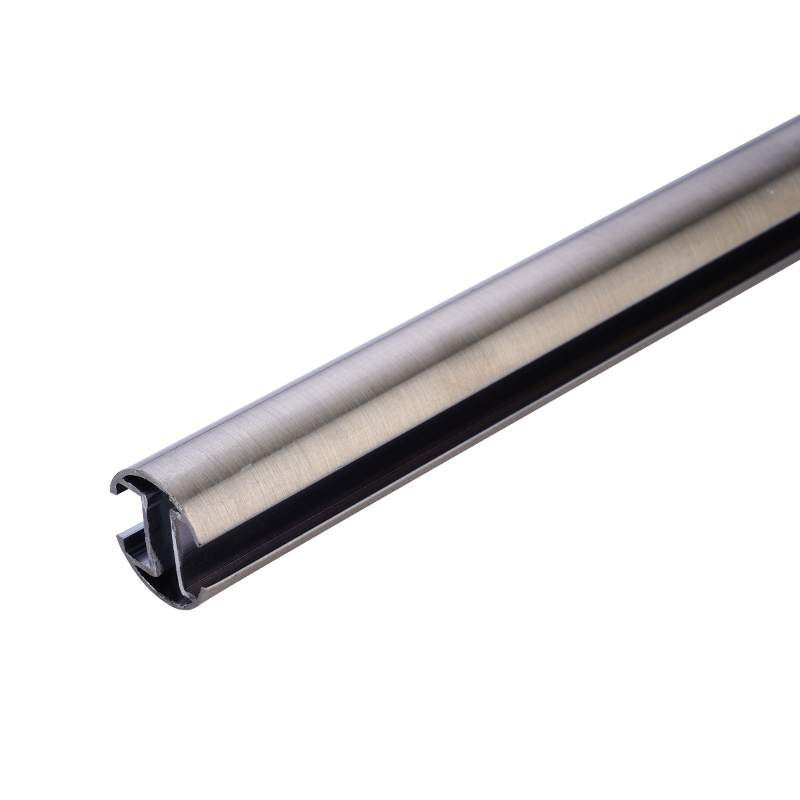
Rail profile matters more than many buyers expect. A 13–31 mm curtain rail covers a wide band of domestic and contract work, while a 20 × 20 mm profile is a different shape with its own runner and bracket family. Round rails are common for rings; compact or square rails often use purpose-made gliders. The hook is therefore only compatible when the rail, runner, and curtain heading are compatible as a set.
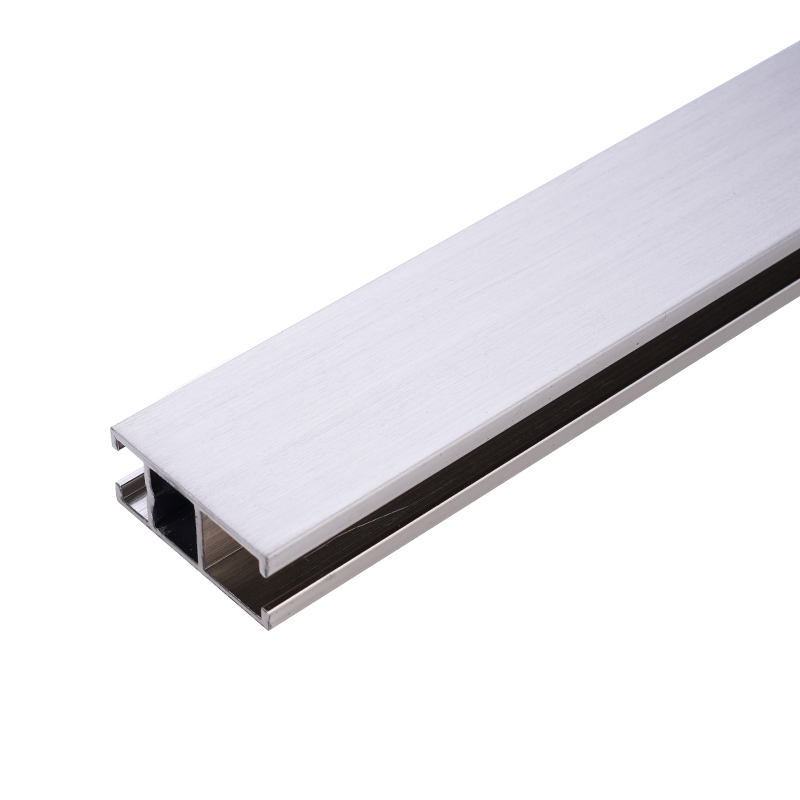 13 × 31 mm Curtain Rail SystemA compact track for light to medium curtains, with pulleys, hooks and connectors for wall or ceiling mounting; check runner and bracket family compatibility.View Product →
For project buyers, the safest approach is to build a single bill of materials: rail, brackets, rings or gliders, hooks, connectors, and endcaps. Mixing families from different tooling sets is where tolerance problems appear, especially on long runs and multi-drop installations.
Match Hook Geometry to the Rail and Curtain Heading
Pin hooks, S-hooks, and clip rings
Pin hooks are pushed into pleat tape or heading tape and then hung on rings or gliders. They give a clean, controlled pleat and are common on made-to-measure curtains. S-hooks are faster to fit and suit lightweight curtains, but they can slip if the wire diameter is too thin for the ring. Clip rings grip the fabric directly and remove the hook from the assembly; they are useful for casual headings but offer less precise pleat control.
The hook must also suit the heading. A deep pencil pleat needs a hook that sits at the right height so the curtain does not cover the rail. A wave heading needs a hook or carrier that keeps the fold depth consistent. For a quick explanation of curtain hooks used in home decor, the key point is that the hook is a load-transfer part, not a decorative afterthought.
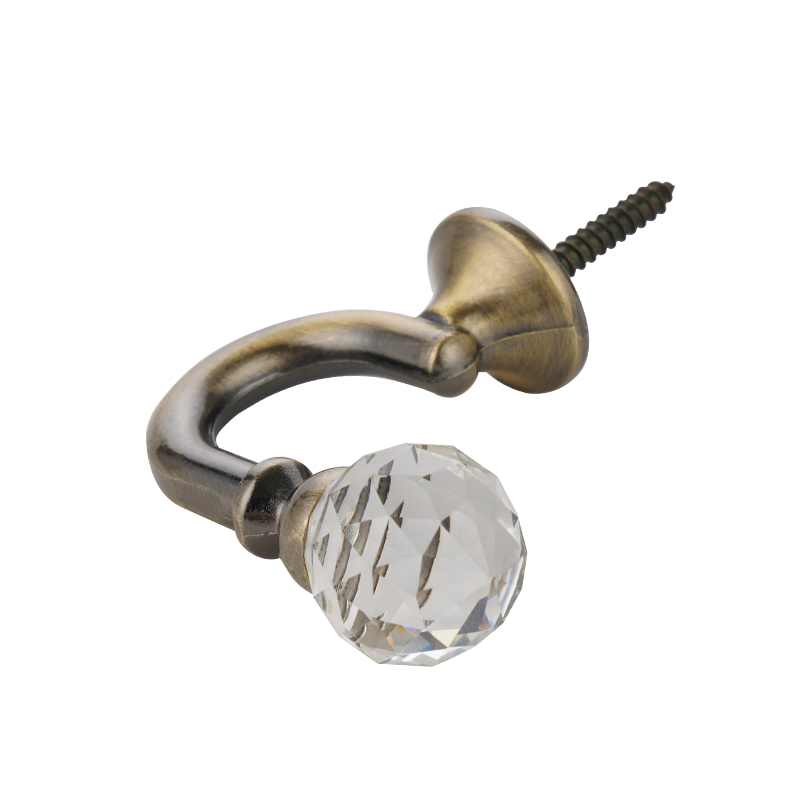
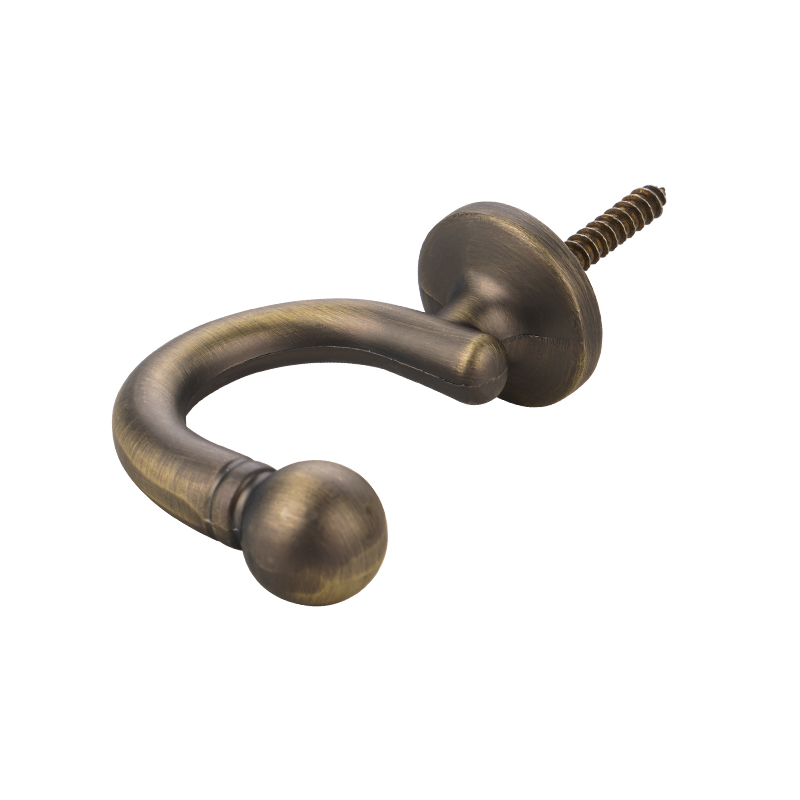 Zinc Alloy Curtain Hooks for Track and PoleDecorative zinc alloy hooks for fabric and blackout curtains, available in varied shapes; verify hook opening and wire diameter with the exact rail or ring.View Product →
Wire diameter and hook opening deserve a physical check. A hook that opens too easily may release under a heavy curtain; a hook that is too thick may not seat in a narrow glider. Ask for a sample of the exact hook, ring, and rail together, then pull the curtain through the full travel. A short run test will reveal binding at brackets and joins that a catalogue drawing cannot show.
Sizing Chart: Rail, Ring, and Hook Combinations
Use the chart below as a first-pass compatibility check, then confirm against the supplier’s measured dimensions. The bar column is a relative indicator of how much load the pairing can share across brackets; it is not a certified safe working load.
| Rail profile | Ring or runner | Hook style | Typical curtain | Relative load sharing |
|---|---|---|---|---|
| 13–19 mm round rail | 16 mm ring | Light aluminium S-hook or pin hook | Voile or café curtain | 4/10 |
| 19–25 mm round rail | 19–20 mm ring | Zinc-alloy pin hook | Pencil pleat, medium weight | 6/10 |
| 25–28 mm round rail | 25 mm ring | Heavy zinc-alloy hook | Interlined or blackout curtain | 8/10 |
| 28–31 mm round rail | 25 mm ring with wide runner | Heavy pin or clip hook | Contract curtain, heavy lining | 9/10 |
| 20 × 20 mm compact rail | Matched glider | Low-profile hook | Roman blind or narrow window | 5/10 |
| 13–31 mm metal rail | Metal glider or ring | Clip or pin hook | Hotel or commercial project | 7/10 |
Clearance is the number to watch. As a working tolerance, a ring should have 2–4 mm of free play around the rail diameter; less than that increases drag, while much more allows the curtain to wobble and the hook to tilt. For pin hooks, common 25 mm and 35 mm shank lengths suit different heading depths, but the correct choice is the one that keeps the curtain hem clear of the floor and the heading clear of the rail.
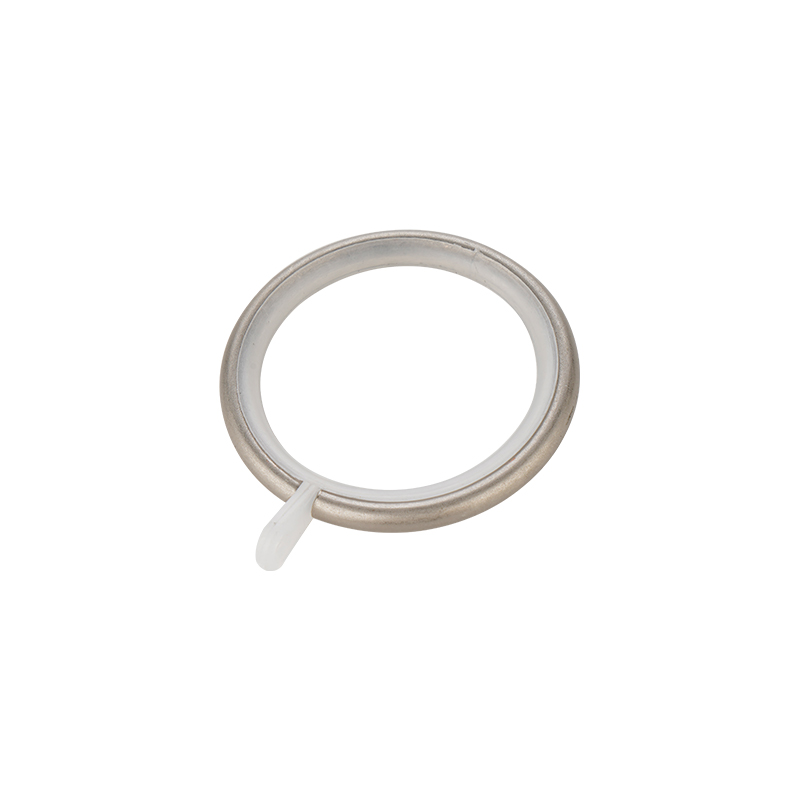
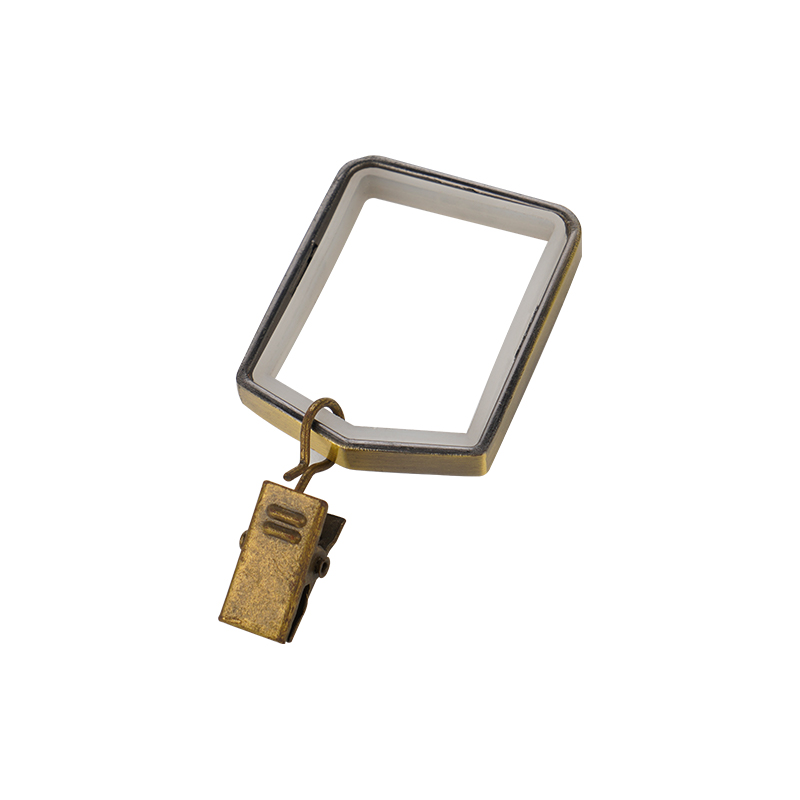 25 mm Curtain Rings for Smooth Rod TravelMetal or plastic rings sized around 25 mm for hanging curtains on rods or tracks; choose with 2–4 mm clearance and match hook and heading depth.View Product →
Brackets, Load, and Installation Tolerances
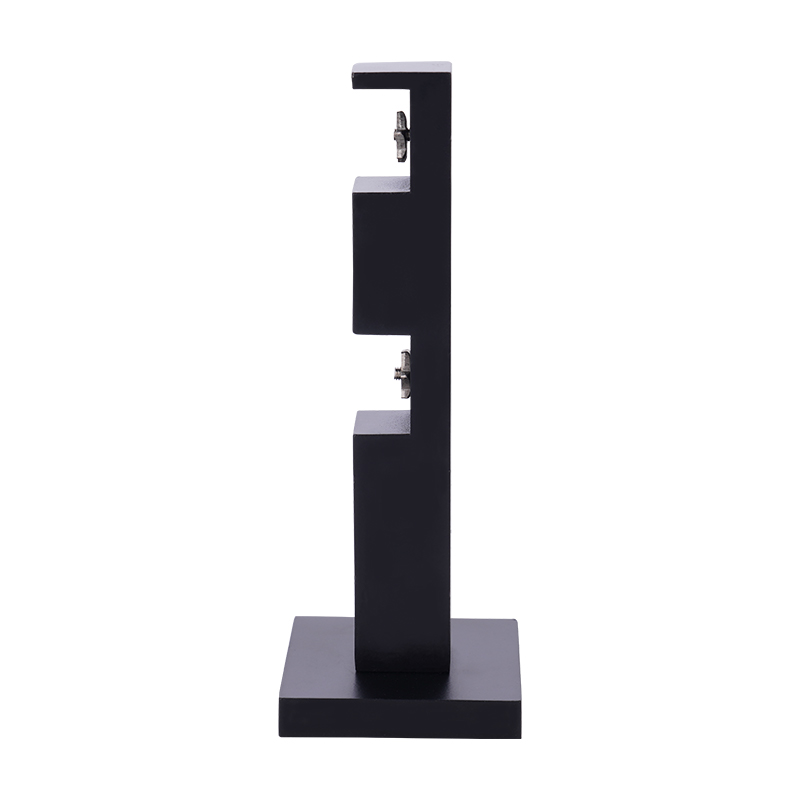
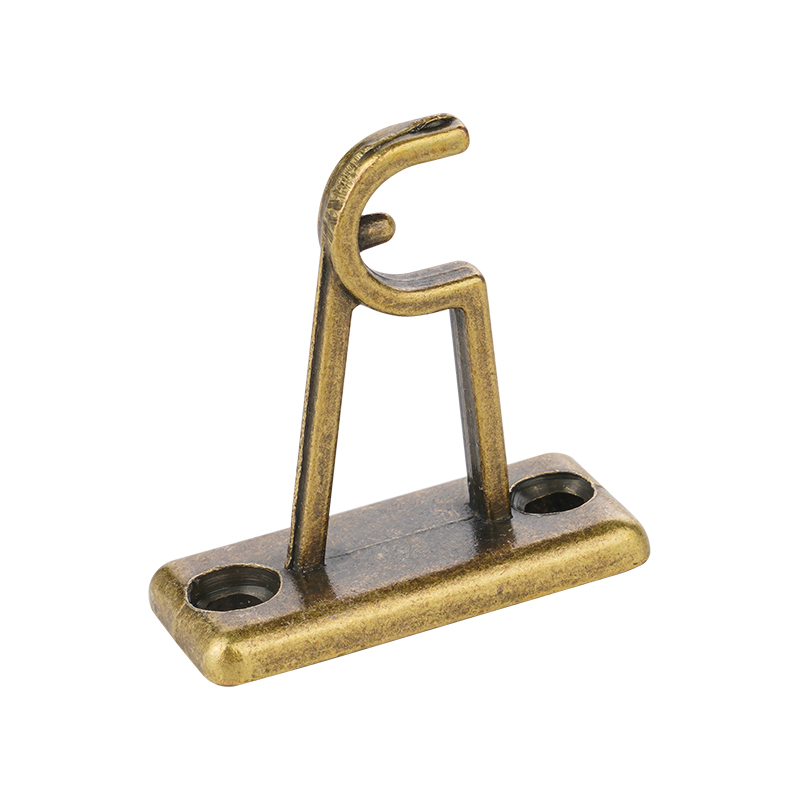
Brackets determine whether the rail stays straight. A rail that sags between fixings will bind at the middle, and the hooks will take the strain. For medium-weight curtains, wall brackets are often set 40–60 cm apart; heavy interlined curtains may need 30–40 cm spacing or a ceiling fixing. These are starting points, not universal rules. The rail section, wall material, and fixing type decide the final spacing.
Check the wall before specifying the bracket. Plasterboard needs appropriate anchors or a timber backing; masonry needs plugs and screws that suit the substrate. A bracket that pulls out under load is usually a fixing problem, not a rail problem, but the result is the same: the curtain comes down. The choice of curtain bracket should follow the curtain type and the fixing condition, not only the rail diameter.
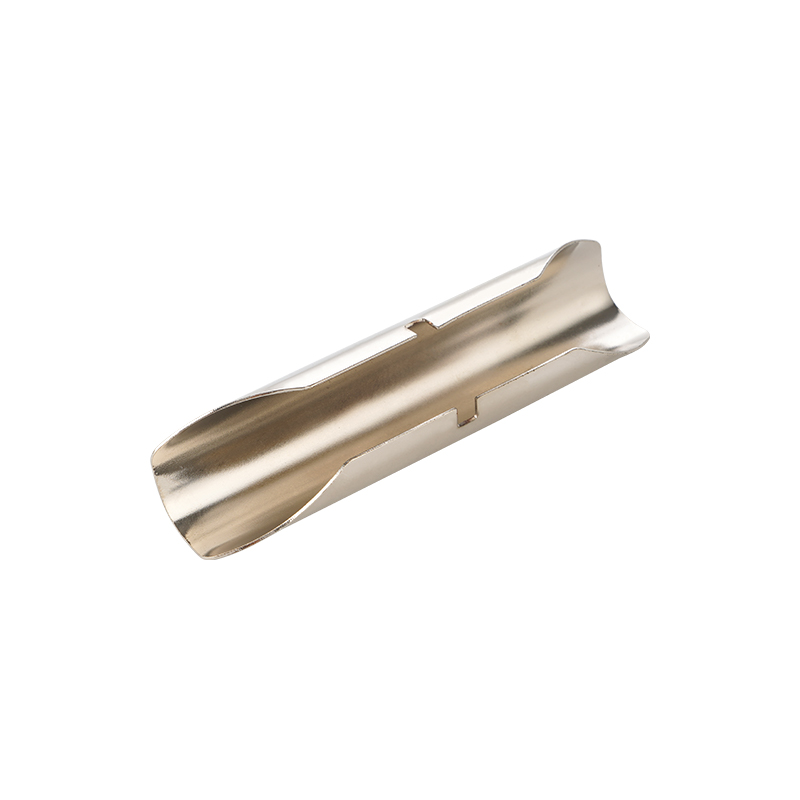
Long runs need joins and expansion allowance. Connectors should be aligned so the runner passes without a step. On wide windows, use a centre bracket or a joining bracket to stop the rail from spreading. After installation, open and close the curtain several times and watch the hooks at each bracket. Any jump or click is a tolerance issue that should be corrected before the job is handed over.
Materials and Finishes That Affect Long-Term Performance
Zinc-alloy hooks are die-cast and can hold a crisp decorative shape; they suit medium to heavy curtains when the wire section and plating are controlled. Aluminium hooks are lighter and resist corrosion well, which helps in humid rooms, but they may not suit very heavy headings. Steel hooks offer high strength but need a reliable coating to prevent rust at cut edges or scratches. Plastic hooks are inexpensive and quiet on the rail, but they are best reserved for light curtains and low-traffic areas.
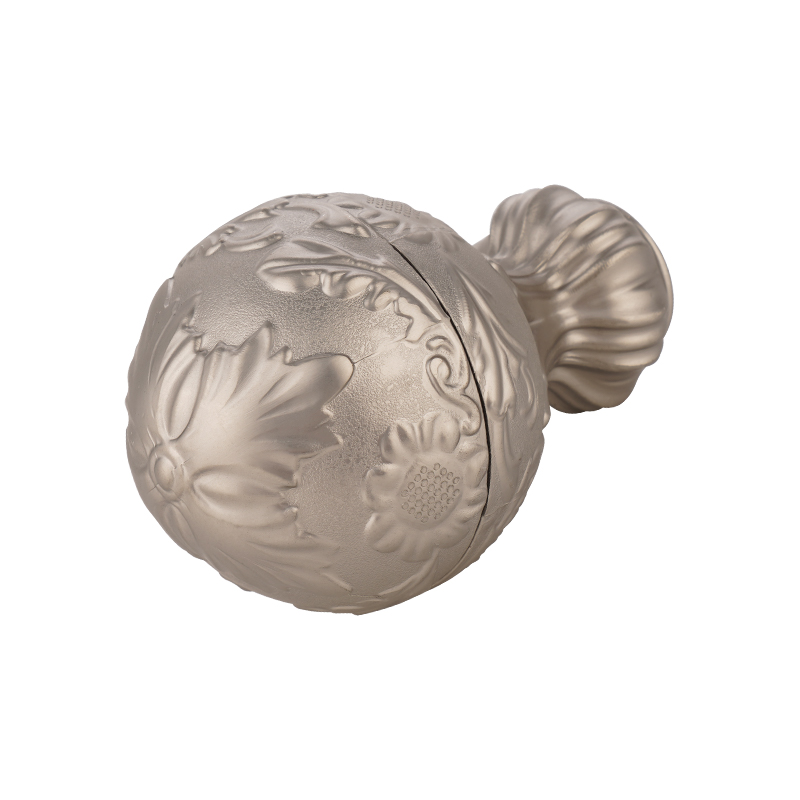
Surface finish is not only cosmetic. Plating and paint affect friction, corrosion resistance, and colour consistency. For OEM orders, a manufacturer with in-house die-casting, polishing, plating, and painting can control the finish across hooks, rings, and rail ends. That matters when a project specifies matching finishes across thousands of pieces. It also shortens the feedback loop when a sample needs a colour adjustment.
Ask for salt-spray or humidity test data if the project is coastal or in a wet room. For standard domestic use, a visual check of plating coverage and a rub test on painted parts will catch obvious defects. On rings, check the weld or joint and the inner running surface; a rough inner edge will wear through the rail finish over time.
Procurement Checklist for OEM and Project Buyers
Before releasing a purchase order, lock the interface dimensions in writing. A sample approval should include the rail, hook, ring or glider, bracket, and connector from the same production family.
- Record rail outside diameter, wall thickness, and profile shape.
- Confirm hook wire diameter, opening width, and shank length.
- Check ring inner diameter and free play against the rail.
- State curtain weight and heading type per window, not just an average.
- Agree bracket spacing and fixing type for each substrate.
- Approve finish colour and corrosion requirement on a production sample.
- Test a 1–2 m assembled run for smooth travel before mass production.
- Specify packaging that protects plated and painted surfaces in transit.
For OEM buyers, tooling availability and in-house surface treatment reduce the risk of mismatched batches. A factory that controls moulds, die-casting, polishing, plating, painting, and assembly can keep tolerances consistent across rail, hooks, and rings. That is more reliable than assembling a system from catalogues with no common dimensional reference.
A hook curtain rail performs well when the hook, rail, ring or glider, and bracket are treated as one assembly. The specification does not need to be complicated: measure the interfaces, test a short run, and confirm the finish. That approach prevents the common failures — dragging rings, binding hooks, sagging rails, and pulled fixings — before the curtains are hung.