English
 中文简体
 русский
 Español

A 120 cm window with a standard curtain rod still shows daylight at both sides. The rod stops where the bracket sits, and the panel cannot slide any further. A French return rod eliminates that gap by bending the rod end back to the wall. That short, curved return lets the curtain move beyond the bracket line and tuck neatly against the window trim. This article explains what makes it different, how to size it, how to install it correctly, and which materials and hardware matter most.
What Is a French Return Rod?
A French return rod is a curtain rod whose two ends curve back toward the wall, forming a shallow U shape when viewed from above. The word return refers to that horizontal bend at each end. Unlike a standard rod, where the finial sits on the outside of the bracket, a French return has no decorative finial at the point of the bend. The rod simply comes off the wall, extends across the window, and returns to the wall on the other side.
This design is also called a French return drapery rod. It is common in North American window treatment catalogs, and the principle is simple: if the end of the rod touches the wall, the panel can slide close enough to close the gap. Because there is no bracket standing between the rod end and the wall, the curtain can travel the full straight section until it reaches the curve.
Why Choose a French Return Rod?
Choose a French return rod when your main concerns are light leakage, a tidy sightline, and effortless curtain movement. The bend tucks the fabric into the wall, which means less light sneaking past the sides. The lack of a protruding finial also makes the installation look less busy. The table below compares a standard rod, a French return rod, and a ball-end rod on the aspects that matter during daily use.
| Aspect | French Return Rod | Standard Rod | Ball-End Rod |
|---|---|---|---|
| Light gap at the edge | Near zero; fabric meets the wall | 2–5 cm depending on bracket | 2–5 cm, often more with all-round finial |
| Bracket interference | Bracket sits behind the return; rings glide past it | Bracket and finial block rings at the end | Same as standard rod |
| Curtain movement | Slides the full straight section with no obstruction | Stops before the bracket | Stops before the bracket |
| Visual style | Minimal, built-in look | Classic, visible hardware | Decorative, traditional |
| Best window type | Small to standard-sized windows | Most windows | Most windows with deep sills |
Sizing a French Return Rod: Don't Guess
Measure once, measure twice. The two measurements that matter are window width and return depth. Return depth is the distance the rod extends outward from the wall before bending back. Typical values are 5 cm, 7.5 cm, or 10 cm.
The straight section of the rod should be window width plus two return depths. For example, a 100 cm window with 7.5 cm returns needs a straight section of 115 cm. The overall wall-to-wall footprint is slightly larger because the return arms add a small outward projection, but the rod itself still starts and ends on the wall.
| Return Depth | Best Use |
|---|---|
| 5 cm | Slim casings, shallow reveals, tight wall space |
| 7.5 cm | Most standard trim; safe all-around choice |
| 10 cm | Deep trim, layering, or when you want extra wall coverage |
- Measure the window width at the top of the trim, not at the sill.
- Decide the return depth based on the casing depth and how far you want the panel to wrap around the wall.
- Add two return depths to the window width to get the straight-section length.
- Place the brackets roughly 5 cm inward from the start of each return, so the curve can hug the wall without touching the casing.
- If you plan to install a double rod for two layers, add 2–3 cm extra clearance behind the front rod.
Material, Tube Thickness and the Return Bend
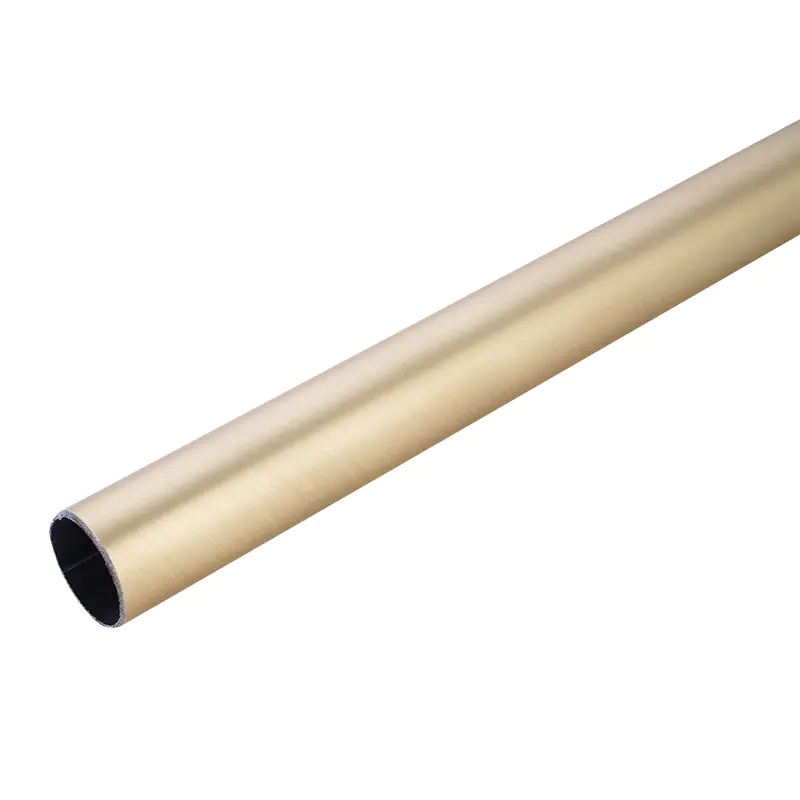
Because the return bend carries weight and is exposed to handling during installation, material quality matters. Aluminium is the most practical choice for a French return rod: it takes a clean radius, resists corrosion, and is light enough for simple wall brackets. Steel is stronger when you need a long span with a heavy fabric, but it is heavier and requires a quality paint or plating to prevent rust. Zinc alloy is used mainly for the bracket and connector parts, not the rod body.
When evaluating a sample, look at the curve. A good return bend is smooth on the inside and does not pinch or flatten at the crown. In our workshop, we check the curvature with a radius gauge and confirm that the paint or plating covers the entire bend. A pressed or welded return assembly can crack under load, especially in cold conditions. A one-piece curved tube is preferable because it keeps the grain of the metal continuous around the bend.
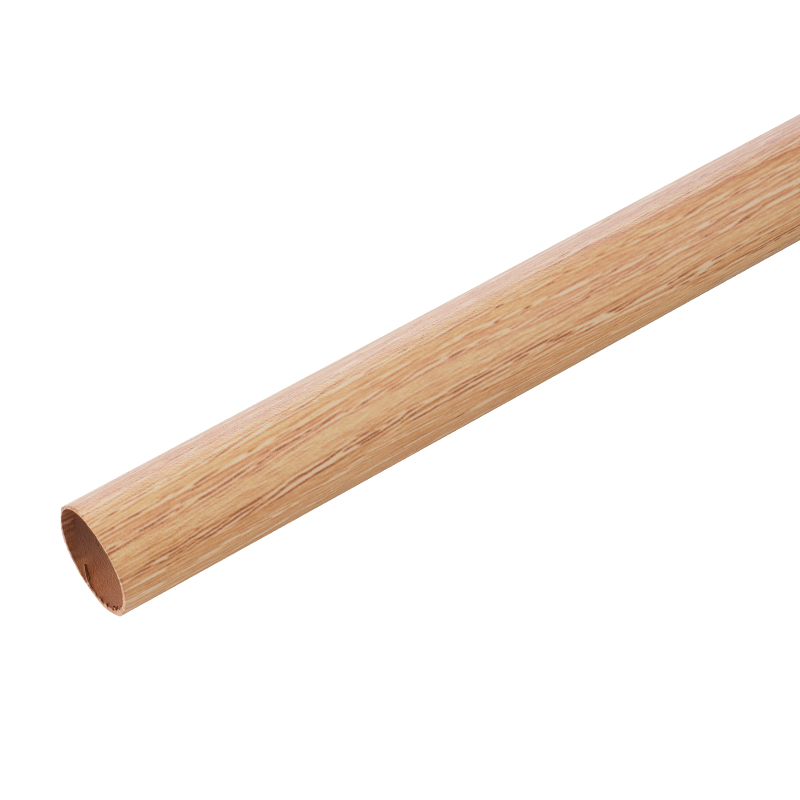 Aluminium Curtain Rods with Smooth One-Piece ReturnsInspect the bend quality and curvature before installation; a one-piece curved tube avoids cracks and ensures durable support.View Product →
Brackets: Where the Rod Actually Touches the Wall
The wall connection is still critical. A French return rod uses brackets, but they sit closer to the return corner rather than at the very end. The bracket should clear the curved portion, not squeeze against it. For a single bracket layout, position two wall brackets about 5 cm inward from the start of the return. If the span is wider than 120 cm, add a center bracket to limit sag.
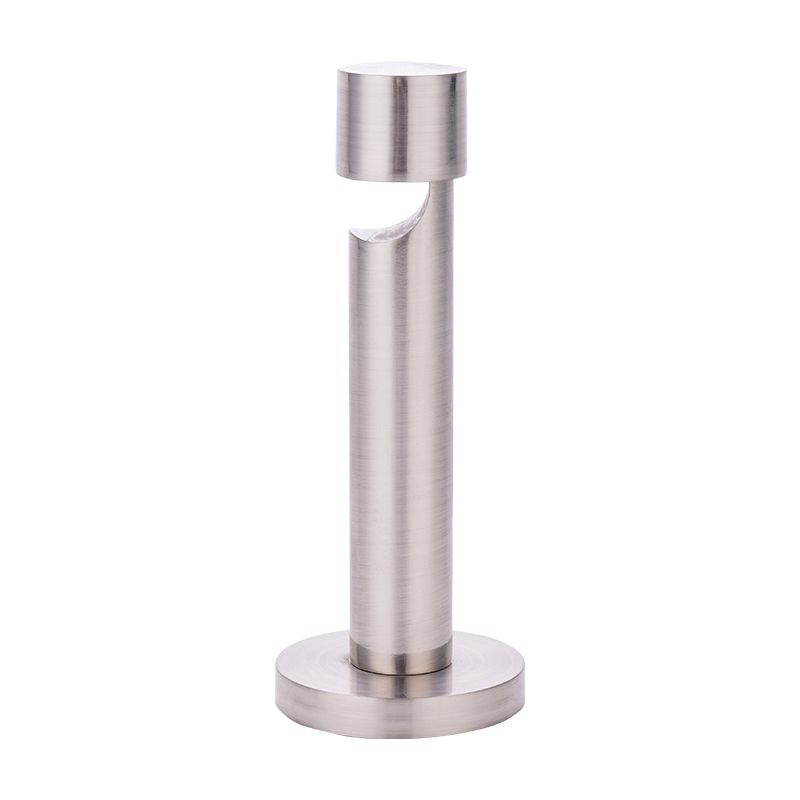
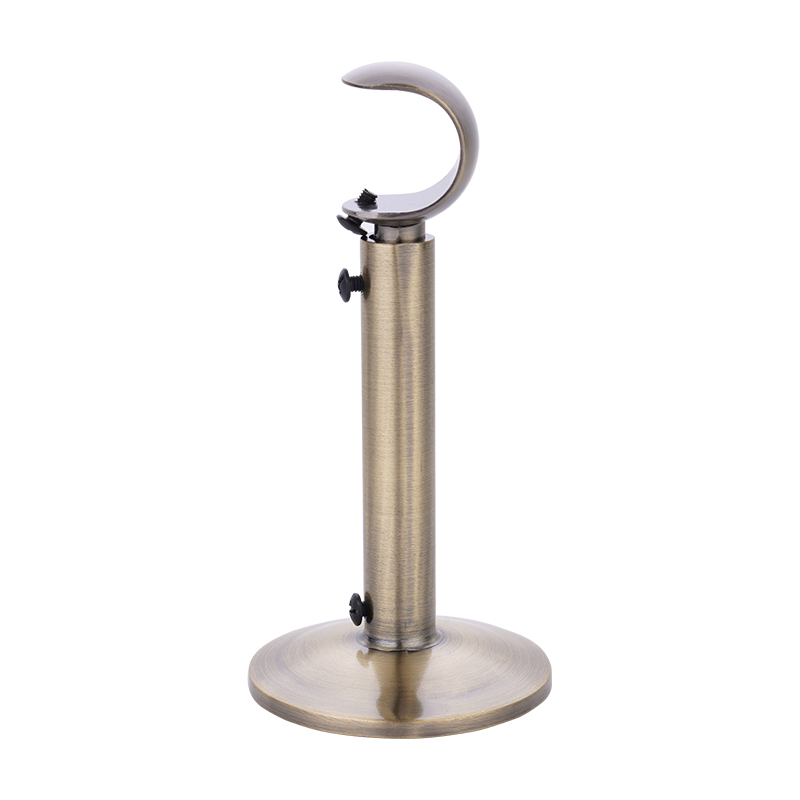
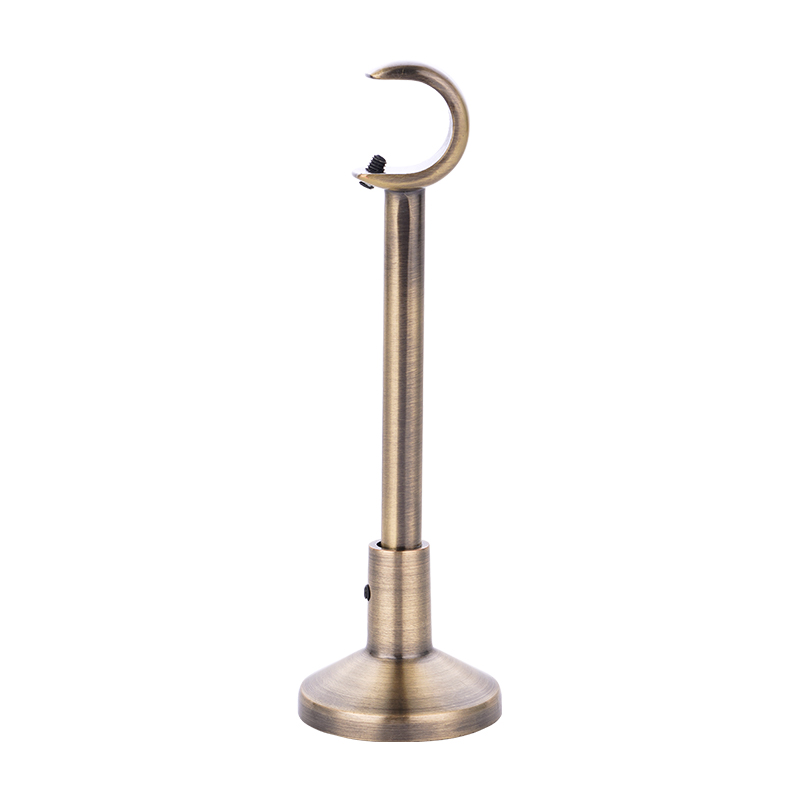
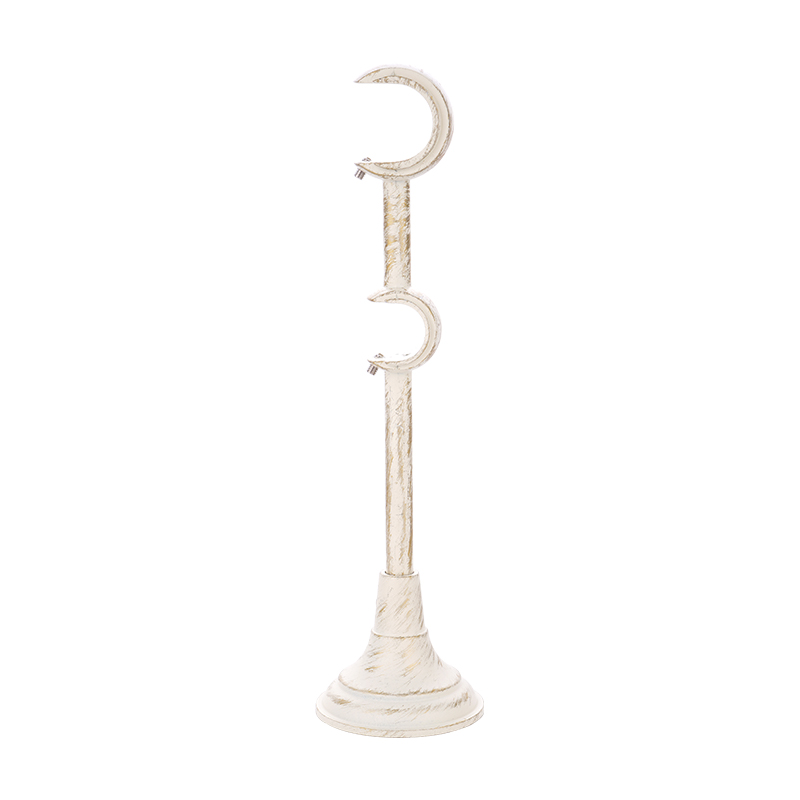
The bracket style also affects installation depth. A wall-mounted bracket is the most common choice for French return rods because it gives a low profile and keeps the rod close to the wall. For a double rod setup, use a two-rod bracket or stack two brackets. Focus on the bracket's carrying capacity and the rod's diameter compatibility. You can read more about choosing a curtain bracket that matches your window treatment to avoid support mistakes.
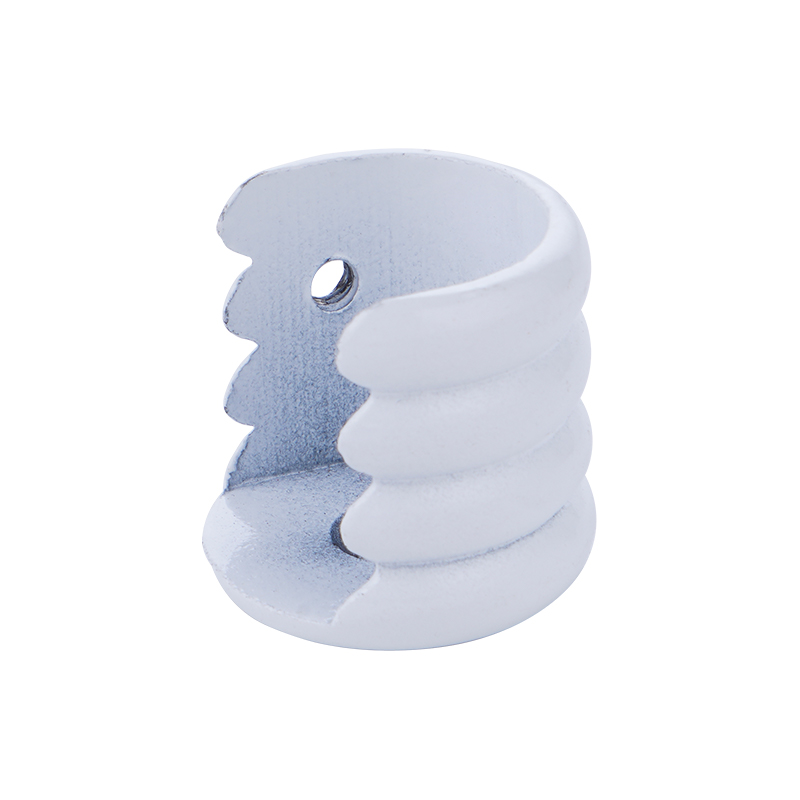 Wall-Mounted Curtain Brackets for French Return RodsChoose a low-profile wall bracket with proper load capacity to support the rod and keep it close to the wall.View Product →
Rings and Gliding: Keep the Fabric Moving
Even with no finial or bracket blocking the end, the curtain needs rings or another gliding mechanism. Rings should have an internal diameter at least 2 mm larger than the rod tube, and the socket or clip must not catch on the return bend. For a 16 mm rod, a 19 mm ring leaves enough clearance; for a 19 mm rod, a 22 mm ring is safer. Although the curtain usually stops just before the curve, a tight ring can still scrape paint from the bend when you open and close the panel. Use rings with a smooth inner surface and avoid sharp-edged clips if the wall is close.
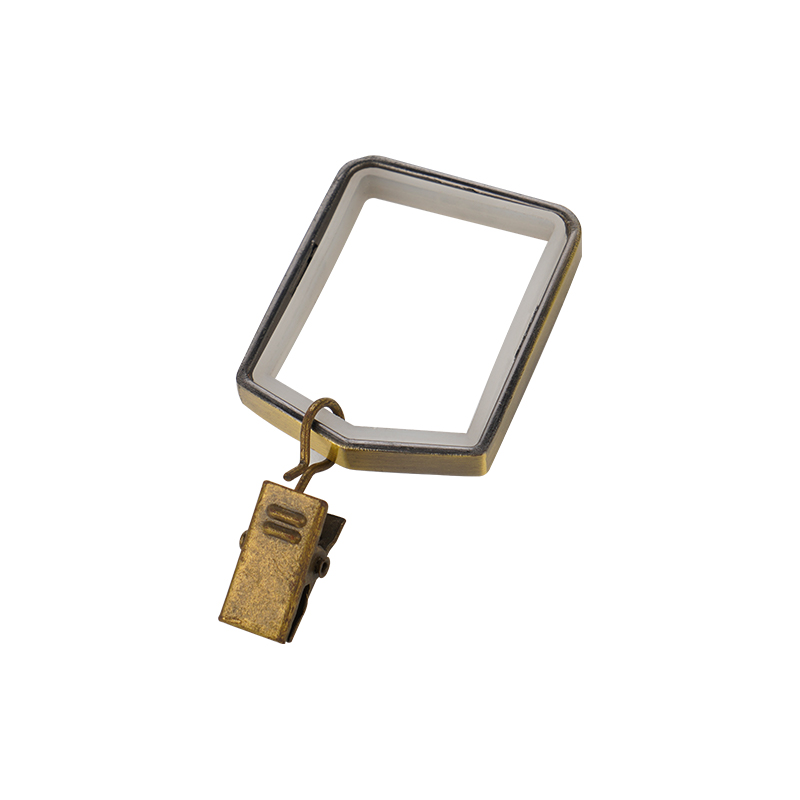 16mm Curtain Rings with Smooth Inner SurfaceSelect rings with at least 2mm clearance over the rod to glide easily around the return bend without scraping paint.View Product →
Common Installation Mistakes and How to Avoid Them
Even experienced installers make a few mistakes with French return rods. The most common one is mounting brackets at the far ends, which defeats the return design. Another is choosing a return depth that is too shallow for the window casing; the rod then presses against the trim and lifts the bracket. A third issue is pairing a rod with rings that are too small, causing the fabric to catch at the bend. Finally, do not assume every rod with a curve is strong enough—check wall thickness. A tube thinner than 0.9 mm will often deform at the bend during shipping.
A good shop practice is to test the return bend by laying the rod on a flat surface. The two return arms should sit flat, and the straight section should not rock. If it rocks, the bend or the tube is out of square.
The Takeaway
A French return rod is a practical upgrade, not just a visual trend. It solves end gaps, removes clutter from the window edge, and lets curtains travel the full straight section. To get it right, focus on the bend quality, bracket placement, and ring clearance. If you buy from an OEM supplier, ask about their bending process and whether the finish covers the whole curve. That level of detail separates a rod that looks seamless from one that fights you at every window.