English
 中文简体
 русский
 Español

A 2.4 m (8 ft) window dressed with blackout velvet and a 25 mm steel rod can put 18–22 kg of static load on each bracket. That is a stud job in most homes. Swap to 1.5 m sheers on a 16 mm aluminium rod, and two 5 mm drywall anchors per bracket will hold with margin. So the honest answer to "do curtain rods need to be in studs" is: not always, but you need a reason to skip them.
This guide gives you the thresholds, the wall-type exceptions, and the bracket details that change the answer. It is written for installers, buyers, and anyone specifying curtain hardware for a project.
The Short Answer: Not Always, But You Need a Reason
Curtain rods need to be in studs when the total load exceeds what drywall anchors can safely hold, when the span is long enough to create leverage, or when the wall cannot accept a proper anchor. For light drapery on a short span, anchors are often acceptable.
The four variables that decide the answer are:
- Total weight of rod, brackets, rings, and drapery
- Span between brackets and whether a center support is used
- Wall construction and condition
- Bracket design and how it transfers load
If you are buying hardware for a project, ask for the bracket's safe working load and the anchor's pull-out rating. Those two numbers matter more than the rod diameter.
| Load class | Total weight per bracket | Typical setup | Recommended mounting |
|---|---|---|---|
| Light | Under 5 kg | Sheers, voile, 16 mm rod, 1.2–1.8 m span | Two quality drywall anchors per bracket |
| Medium | 5–12 kg | Lined cotton, 19–22 mm rod, 1.8–2.4 m span | Toggle anchors or one screw into a stud per bracket |
| Heavy | 12–22 kg | Blackout, velvet, 25 mm rod, 2.4–3.0 m span | Both screws into studs; add center support |
| Very heavy | Over 22 kg | Multiple layers, 28 mm+ rod, over 3.0 m span | Studs or structural blocking; engineered brackets |
For a deeper look at matching bracket style to curtain type, this bracket selection guide from our industry news covers the common combinations.
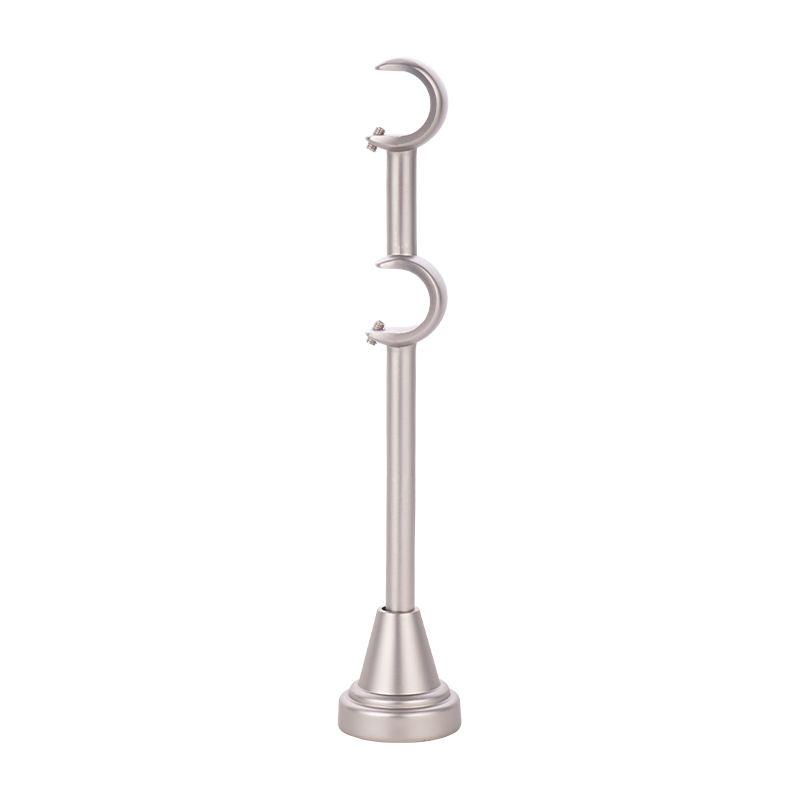
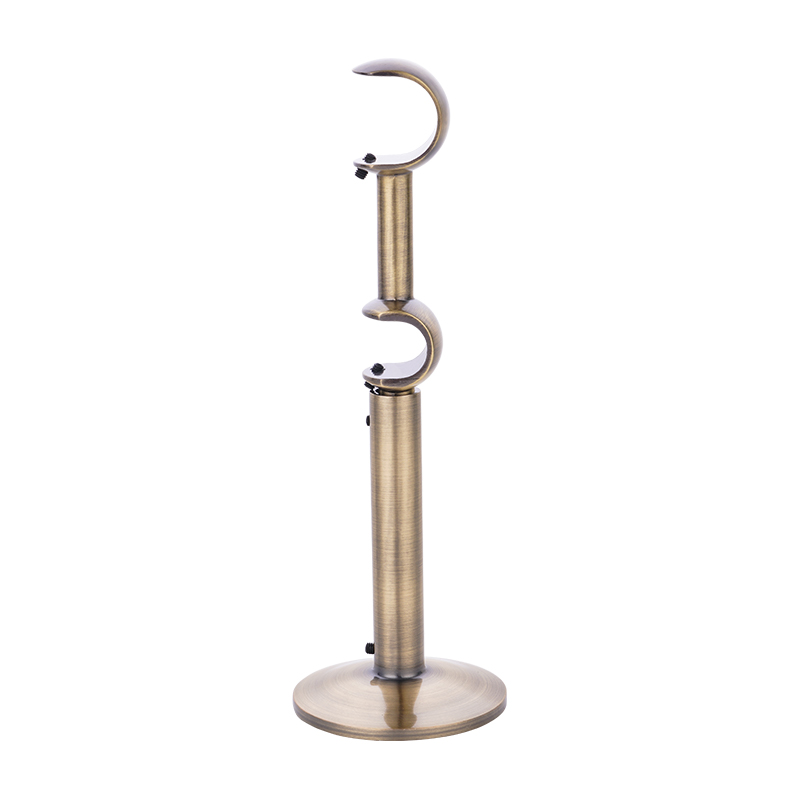 Curtain Extendable Bracket for Adjustable Wall or Ceiling MountingAn adjustable curtain bracket with telescopic arm, suitable for wall or ceiling installation and helpful when stud placement requires rod alignment.View Product →
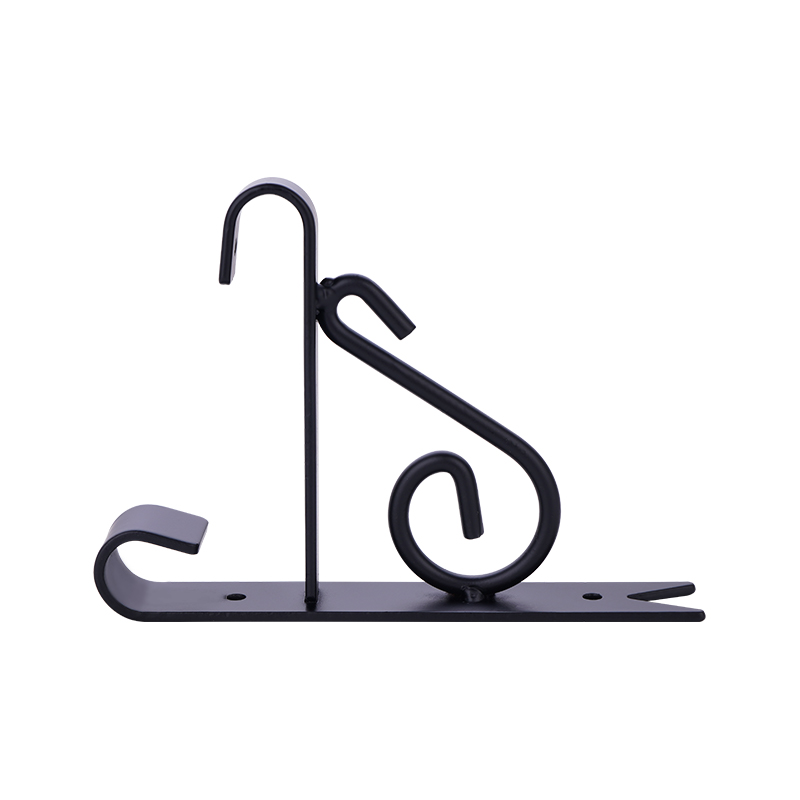
Extendable brackets are useful when studs are not where the rod needs to sit. They let you adjust the bracket arm length, so the rod can be centered on the window while the mounting plate reaches a stud.
When Studs Are Truly Required
Three conditions push a curtain rod installation into stud territory.
Weight thresholds that change the answer
If the combined weight of the rod, brackets, rings, and drapery exceeds 20 kg on a 1.8–2.4 m span, plan for studs. A 5 mm plastic anchor in 12.7 mm drywall may hold 9 kg in shear but only 3–4 kg in pull-out. Curtain brackets pull outward and downward, so the pull-out value is the one that fails first.
Span and leverage
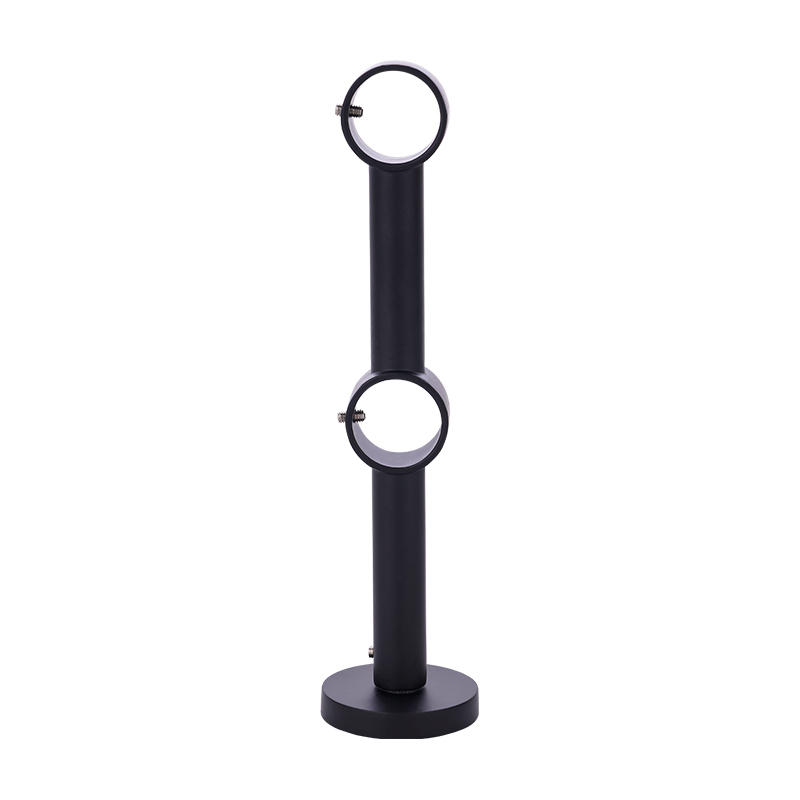
A 3.6 m single-piece rod needs at least three brackets. If the center bracket cannot hit a stud, use a heavy-duty toggle anchor or switch to a ceiling-mount bracket that transfers load to a different plane. Longer spans also amplify leverage: a bracket 15 cm from the wall multiplies the pull-out force compared with a low-profile bracket.
Wall type and condition
Concrete, brick, and tile walls do not have studs in the same way. They need masonry anchors or a chemical anchor, not drywall toggles. Plaster over lath can crumble around an anchor, so a stud or a toggle that spreads load across a larger area is safer. If the drywall is crumbly, water-damaged, or less than 12 mm thick, do not rely on expansion anchors.
Heavy drapery and motorized systems
Motorized rods and heavy blackout drapes add dynamic loads when they open and close. The repeated movement loosens anchors over time. For these installations, studs or structural blocking are the only reliable long-term choice.
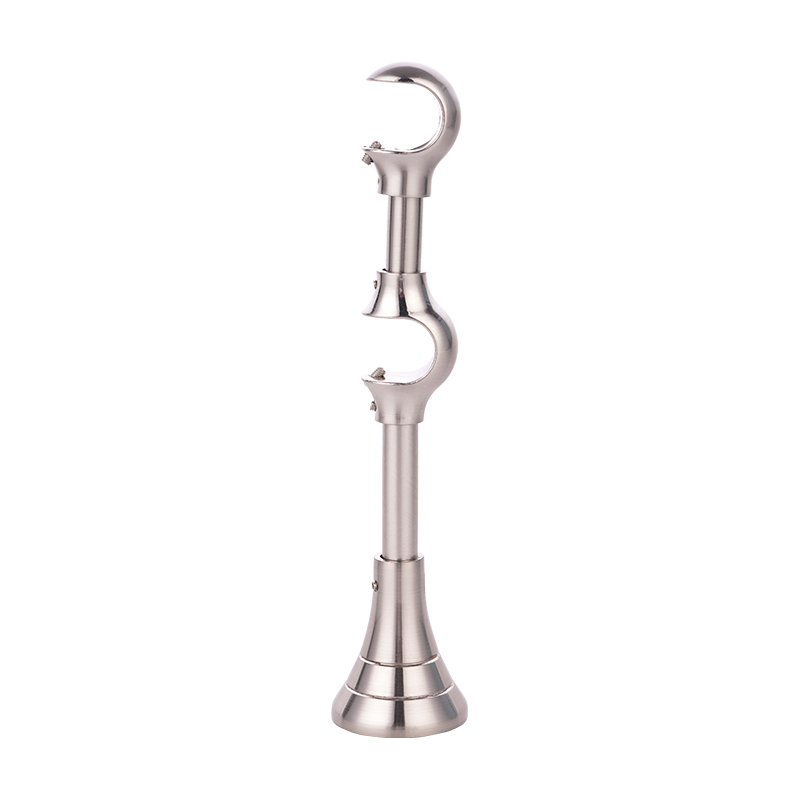
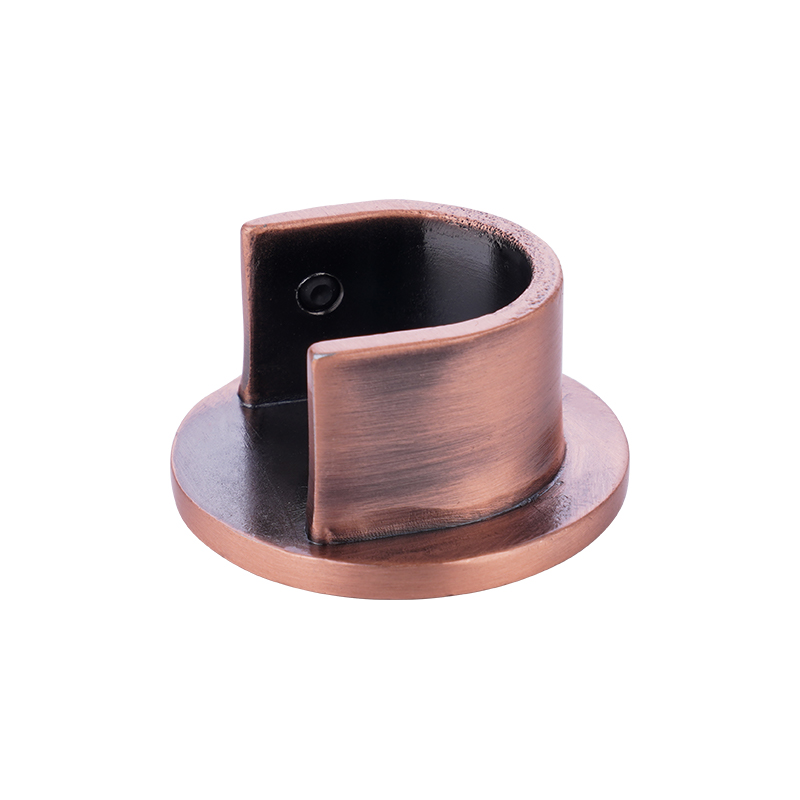
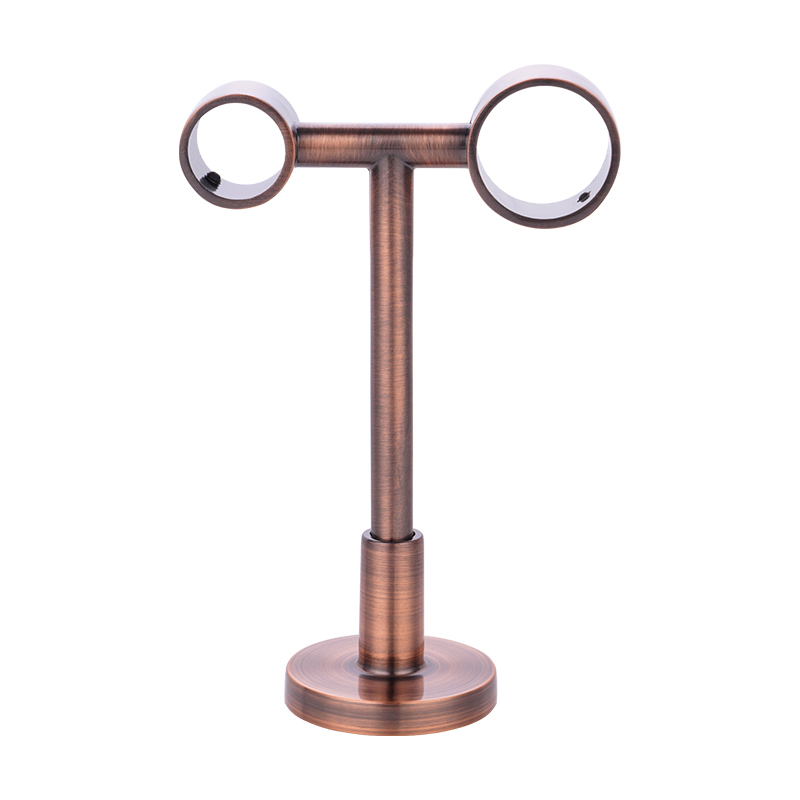 Ceiling Mount Curtain Brackets for Tracks and Hanging RodsCeiling-mounted bracket options for curtain tracks or rods, including single and double-track styles, useful when wall studs are unavailable or poorly placed.View Product →
Ceiling-mount brackets are a practical alternative when wall studs are unavailable or poorly placed. They attach to ceiling joists or concrete slabs and can carry heavier loads than wall anchors in drywall.
When Drywall Anchors Are Enough
Light sheers and cafe rods on small windows are the classic anchor-only case. A 1.2 m window with a 16 mm aluminium rod and two brackets, each with two 5 mm expanding anchors, will hold a sheer curtain without issue. The same setup with blackout lining would not.
- Plastic expansion anchors: 3–5 kg pull-out in 12.7 mm drywall. Best for sheers and very light rods.
- Self-drilling zinc anchors: 8–12 kg pull-out. Good for medium loads if the wall is sound.
- Toggle bolts: 15–25 kg pull-out. Suitable for medium to heavy loads when studs are unavailable.
- Snap toggles: 20–30 kg pull-out. The strongest drywall-only option for curtain brackets.
Check the anchor's pull-out rating, not just its shear rating. A 20 kg shear rating can come with a 5 kg pull-out rating, and curtain brackets pull outward. If the anchor's pull-out rating is less than three times the actual load per bracket, move up to a toggle or find a stud.
Aluminium rods are popular for lighter installations because they reduce the dead load before the curtain is even hung. Our overview of aluminium curtain rod advantages explains how material choice affects load and corrosion resistance.
A Decision Tree for Installers and Buyers
Use this simple chart to compare safe working loads by mounting method. The bars show conservative pull-out capacities for a single bracket attachment point in 12.7 mm drywall or wood stud.
If your load per bracket is above the bar for your chosen method, change the method. For a heavy drape with 15 kg per bracket, a toggle bolt gives you a 25 kg capacity and a reasonable safety margin. A plastic anchor does not.
Hardware Choices That Change the Mounting Answer
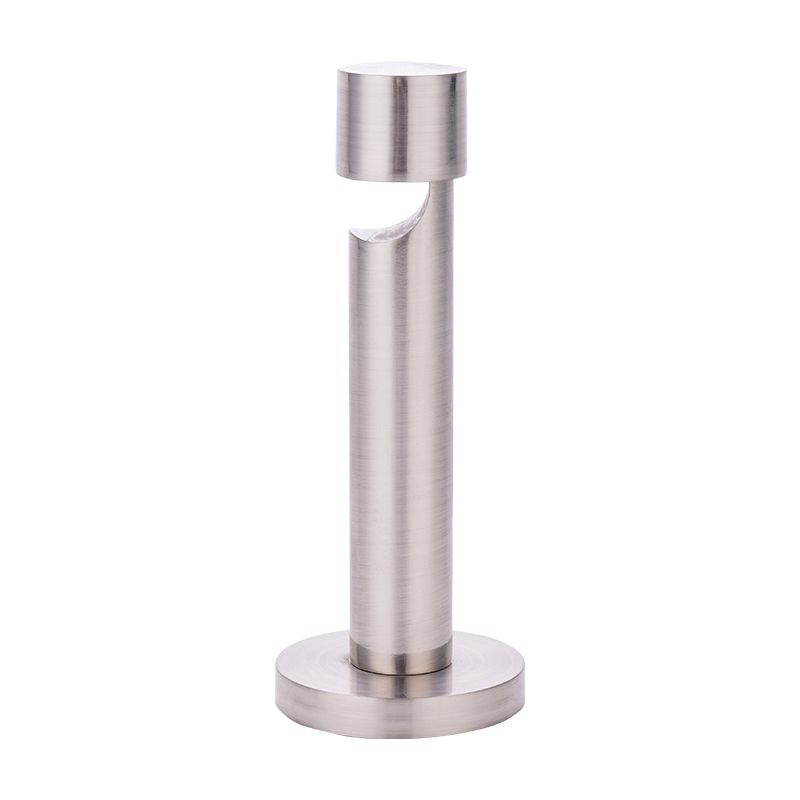
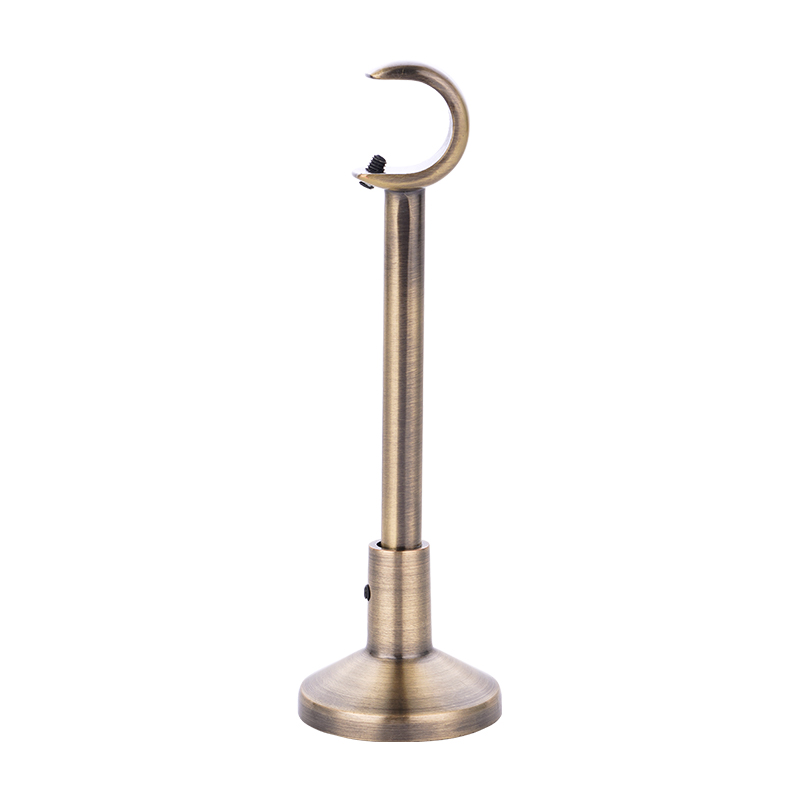
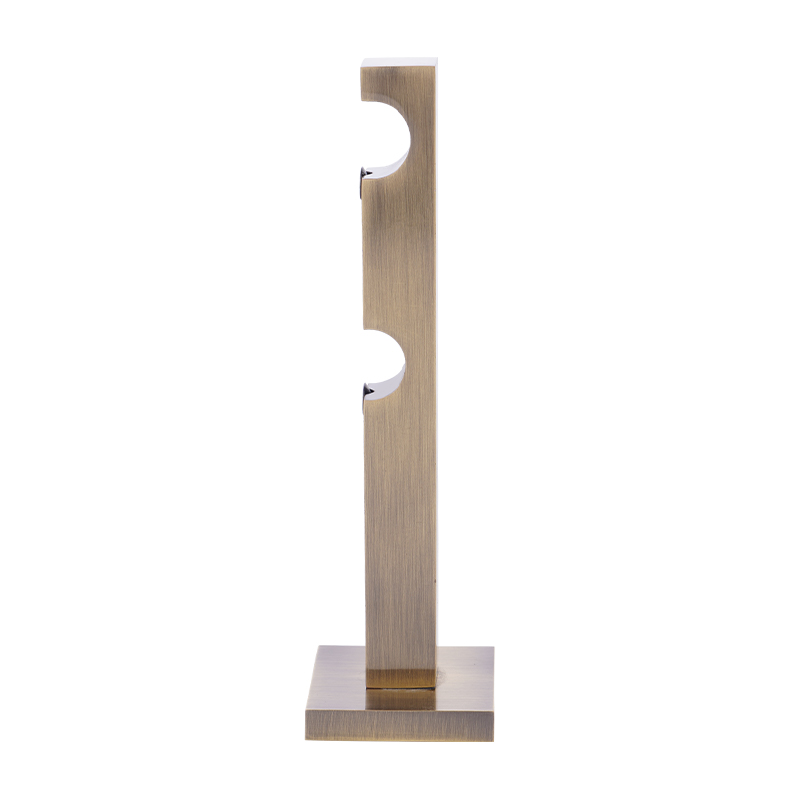
Bracket design is not cosmetic. A closed bracket that wraps around the rod distributes load across both mounting screws. A cheap open hook bracket may only use one screw, which halves the safe load. Extendable brackets let you reach studs without moving the rod position. Ceiling brackets transfer the load to a different plane, often where joists are more predictable.
Rod material matters too. A 25 mm steel rod is stronger but heavier, increasing the load on every bracket. A 25 mm aluminium rod can carry the same curtain with less dead weight. If you are specifying hardware for a large project, the bracket's safe working load and the anchor's pull-out rating should be part of the purchase checklist.
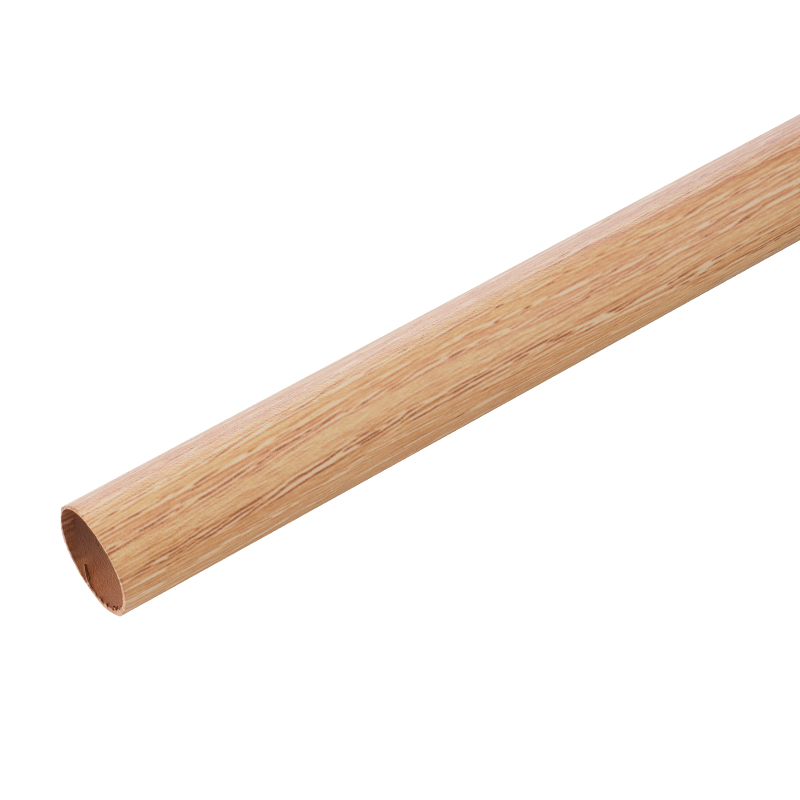 Aluminium Curtain Rods for Decorative Curtain HangingLightweight aluminium curtain rods with decorative surface treatment options, positioned for wholesale supply and coordinated with brackets and anchors for curtain projects.View Product →
As a curtain rod manufacturer since 2006, we see many projects fail not because the rod was weak, but because the bracket and anchor combination was underspecified for the actual drapery weight. Matching rod diameter, bracket capacity, and wall fixing to the real load is the difference between a stable installation and a callback.
Installation Risks and How to Avoid Them
The most common failure is not a broken rod. It is a bracket that pulls out of drywall six months after installation. The screw holds initially, then the anchor wallows out the hole as the curtain is opened and closed. By the time the homeowner notices, the hole is too big for a larger anchor.
To avoid callbacks:
- Use the pull-out rating, not the shear rating, to size the anchor.
- Keep at least 50 mm of drywall between the anchor and any edge or previous hole.
- Install a center support on any rod longer than 2.4 m.
- For heavy drapes, drive both bracket screws into studs whenever possible.
- If studs are not available, use a snap toggle or a ceiling bracket instead of a plastic anchor.
When in doubt, add a stud. The extra time to find and mark a stud is small compared with repairing a wall and repainting after a bracket pulls out. If you are buying in bulk for a hotel or residential project, ask your supplier for load ratings and test a sample bracket on the actual wall type before committing.
The answer to "do curtain rods need to be in studs" is not a simple yes or no. It is a load calculation with a wall-type check. Light sheers on a short aluminium rod can live happily on drywall anchors. Heavy blackout drapes on a long steel rod belong in studs or structural blocking. The bracket and anchor you choose determine which side of that line your installation falls on.