English
 中文简体
中文简体
 русский
 Español

A wholesale buyer once approved an 84-inch drop curtain sample and ordered 2,000 sets of rods based on window width alone. After installation, the panels cleared the floor by 1 cm at the centre but dragged on both sides, because the finials had shortened the usable rod span. The fabric was right; the hardware plan was not.
Curtain length is usually treated as a fabric specification, but it determines almost every hardware value that follows: rod diameter, rod length, bracket projection, ring size, and the final appearance at the floor. For a manufacturer that produces rods, brackets, finials, rings, and connectors in-house, matching the length plan to the hardware is the difference between a repeat order and a costly return.
What the Four Standard Curtain Lengths Actually Do
The practical definition is simple: curtain length is the vertical distance from the top of the curtain rod to the bottom hem of the panel. Nearly every residential and commercial project falls into one of four categories, and each category places a different demand on the hardware that carries the fabric.
| Style | Hem position | Typical drop from rod | Common rooms |
|---|---|---|---|
| Sill length | Just above the window sill | 1–2 cm above the sill | Kitchens, bathrooms |
| Apron length | Below the sill, above the floor | 10–20 cm below the sill | Windows with radiators, casual bedrooms |
| Floor length | Just touching the floor | 1–2 cm above the floor | Living rooms, formal bedrooms |
| Puddle length | Fabric rests on the floor | 2–8 cm of extra fabric on the floor | Formal spaces, heavy drapery |
The first conclusion for any buyer: if the hem position is not fixed, no rod size can be finalised. Decide the drop first, then write the hardware list.
Longer Drops Mean the Rod Carries More Weight
The relationship between fabric drop and rod strength is often underestimated. A floor-length panel pulled open and closed every day produces a force at the bracket that a sill-length panel never reaches. As the drop increases, the fabric weight increases, and the rod must hold that load without bending at the centre of the span.
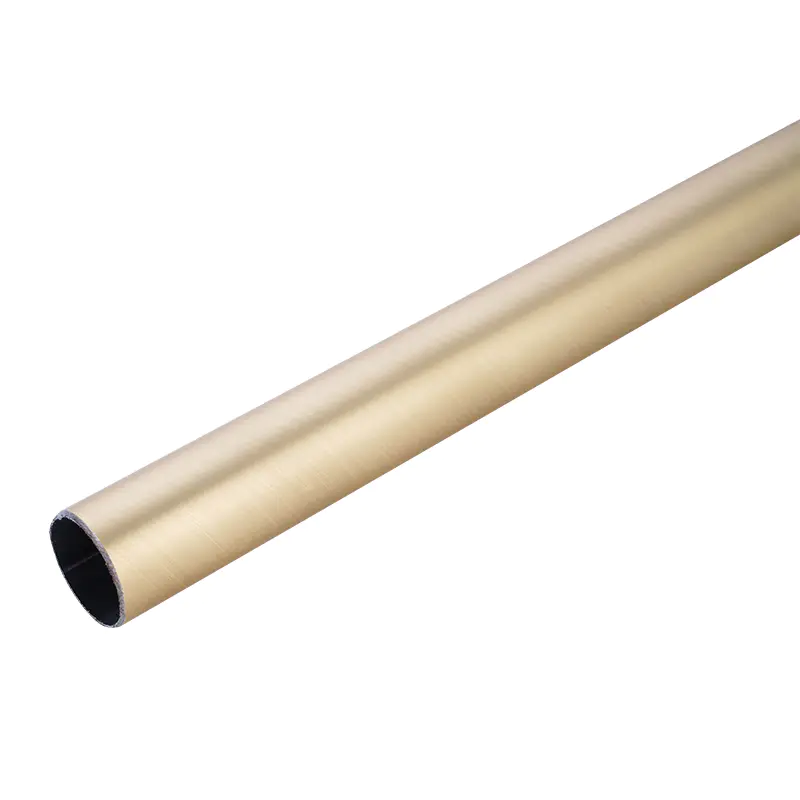
For spans above 1.8 metres with floor-length fabric, aluminium rods are a reliable starting point, because the material combines stiffness with a light weight that makes installation easier.
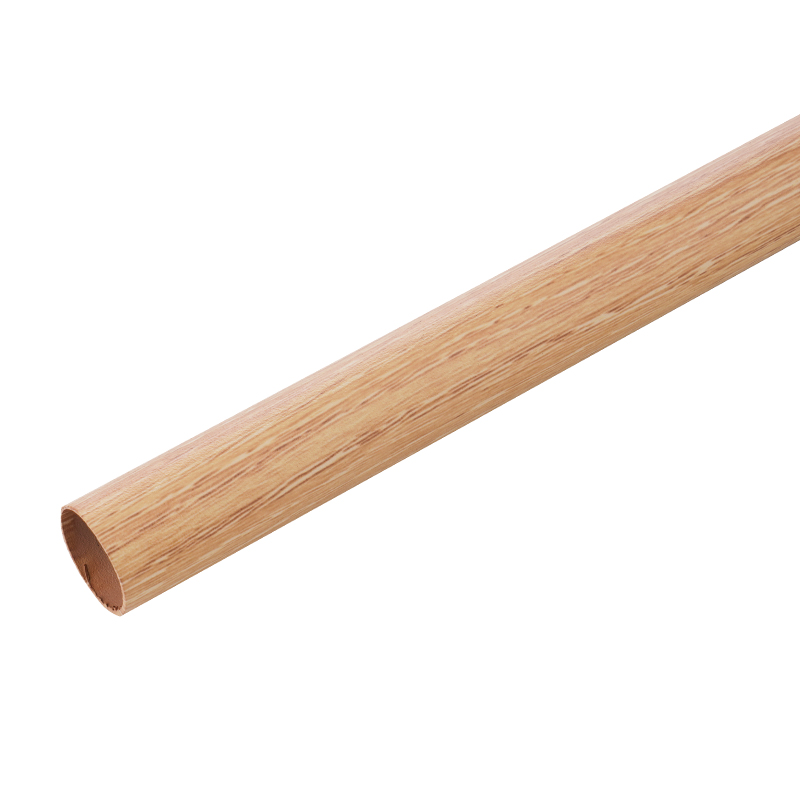 Aluminum Curtain Rod for Long, Floor-Length DrapesLightweight yet rigid aluminum rod suited for spans above 1.8 metres with floor-length fabric. Consider extending it beyond the window frame to allow full stack-back and a wider finished look.View Product →
Rod length also has to be planned for stack-back. A rod exactly as wide as the window leaves the panels covering the glass when they are open. A practical rule is to extend the rod 15–25 cm beyond the window frame on each side, which lets the fabric clear the glass and makes the finished window appear wider.
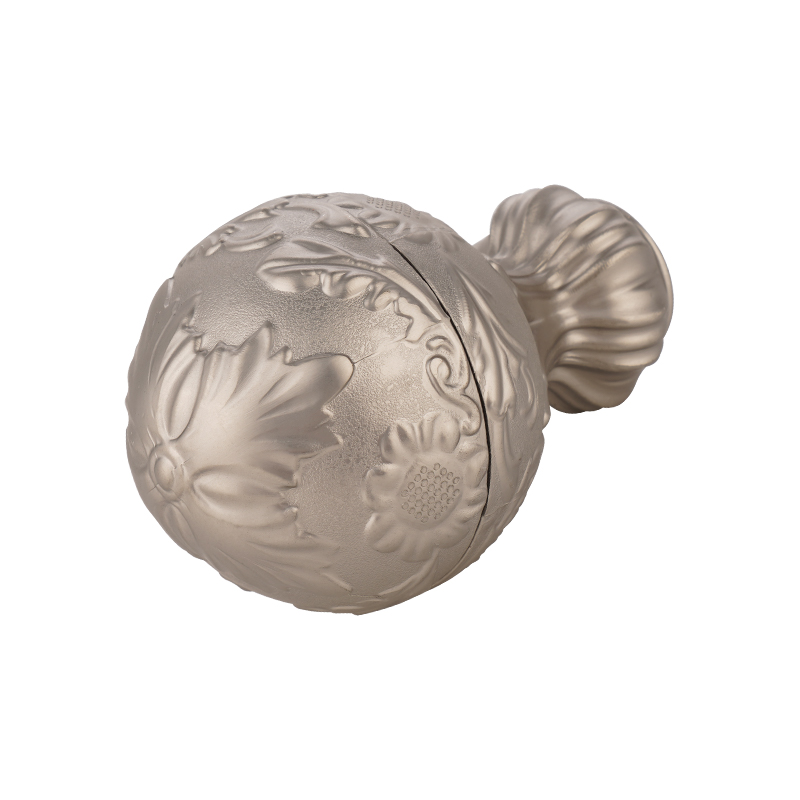
Finials change the calculation too. Decorative rod ends take up 4–8 cm on each side, so the distance between the brackets, not the total rod length, determines whether the curtain panel still covers the window edge. If you are comparing profiles, the guide to the different types of curtain rods available shows how each profile handles the same drop.
Measure the Drop from the Rod, Not from the Window
The most common error in curtain length calculations is measuring the window frame and then guessing where the rod will sit. The drop must be measured from the rod position you have already chosen, because the rod height controls every vertical measurement below it.
- Fix the rod height first. Wall-mounted rods usually sit 10–15 cm above the window frame; ceiling-mounted rods start at the ceiling line.
- Decide the hem position and measure from the top of the rod down to that point.
- Add the header height. A standard double pleat header consumes 7–10 cm of the drop.
- Add the ring or hook height. Metal rings typically add 3–5 cm, so the fabric panel must be that much shorter than the total drop.
- Allow a tolerance of 1–2 cm for floor length so the hem does not drag on uneven floors.
If these numbers are checked in this order, the fabric panel length and the hardware specification match on the first sample. If the ring height is forgotten, every curtain comes out several centimetres longer than planned, and correcting that mistake after production is expensive.
Bracket Projection Controls How the Curtain Falls
Bracket projection, not the curtain fabric itself, decides how far the hanging panel sits from the wall. At floor length, even a small difference is visible because the fabric falls as a vertical plane, so the bracket must clear sills, handles, and radiators before the rod is fitted.
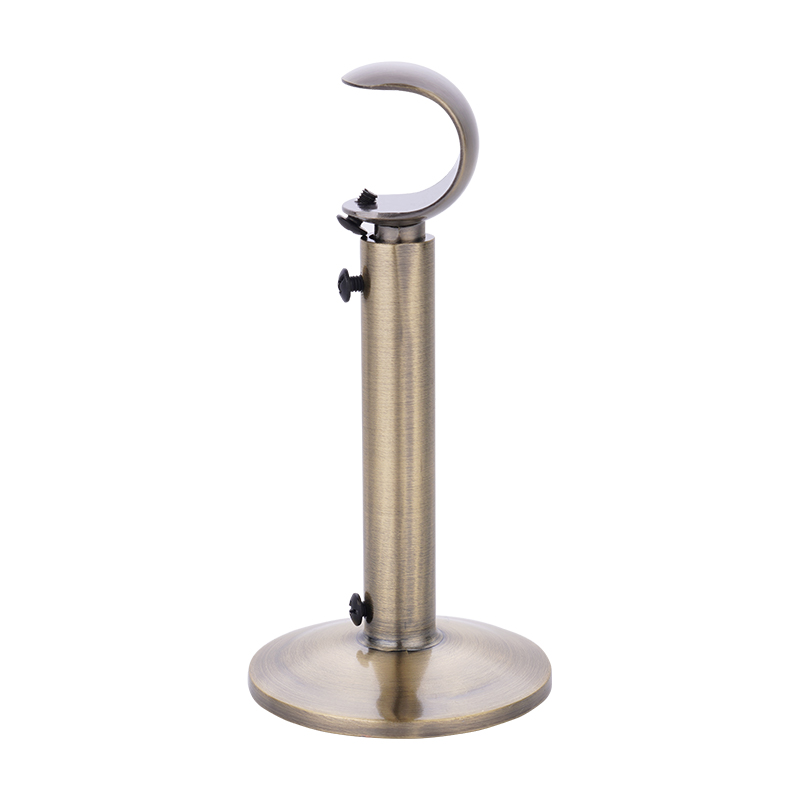
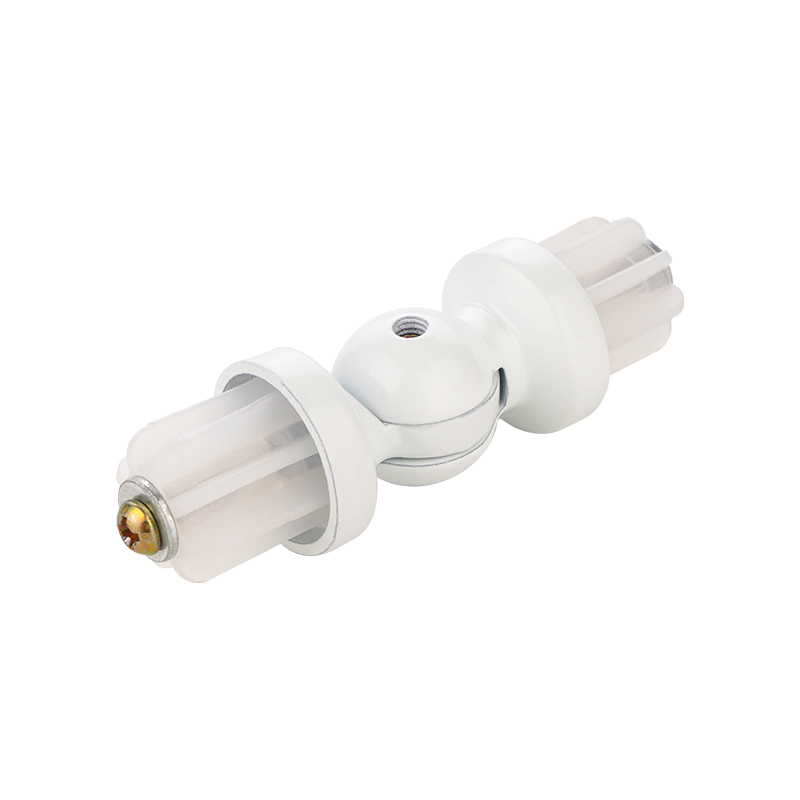
When a long curtain must pass a protrusion on the wall, an extendable bracket allows the distance from the wall to be adjusted in small increments instead of remounting the whole rod. Bracket selection also depends on the curtain type: a deep header with heavy fabric needs a sturdier bracket than a lightweight sheer panel.
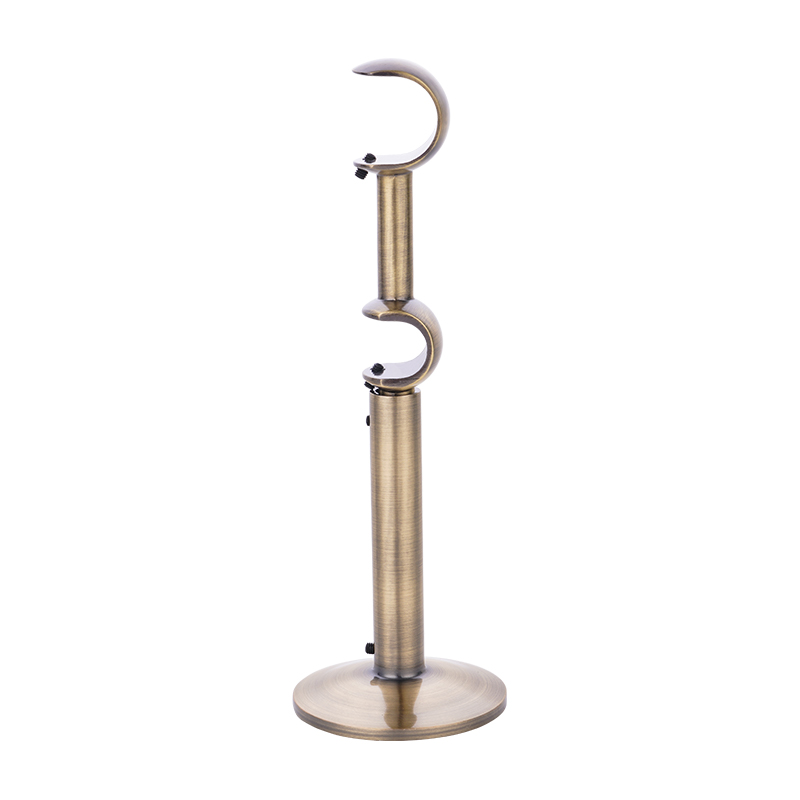 Wall-Mountable Extendable Curtain BracketThis adjustable bracket lets you fine-tune the rod's distance from the wall, ideal for clearing wall protrusions on long drops. Choose it when a deep header or heavy fabric needs extra support.View Product →
Bracket spacing matters even more at longer drops. With a floor-length curtain, the middle bracket carries a large share of the load, so the distance between brackets should stay within the manufacturer's recommended span.
Rings and Hooks Shift the Final Drop by Real Centimetres
Length calculations that stop at the rod miss the hardware between the rod and the fabric. Rings, clips, and hooks add a measurable distance to every panel, and when hundreds of sets are produced, a 3 cm error repeats on every single window.
| Component | Effect on the drop | Selection note |
|---|---|---|
| Curtain rings (16–25 mm) | Add the ring body height | Inner diameter must exceed the rod diameter by at least 5 mm |
| Clip rings | Add roughly 3–4 cm | Clip below the top hem for a clean line |
| Pin hooks with curtain tape | Add 1–3 cm depending on the tape pocket | Space the hooks evenly to match the pleats |
| Drapery rings on a plain rod | Add the ring height only | Gliding improves when the ring and rod diameters match |
For heavyweight floor-length drapery, rings with a larger diameter give smoother movement and hold the fabric above the rod without binding at the bracket.
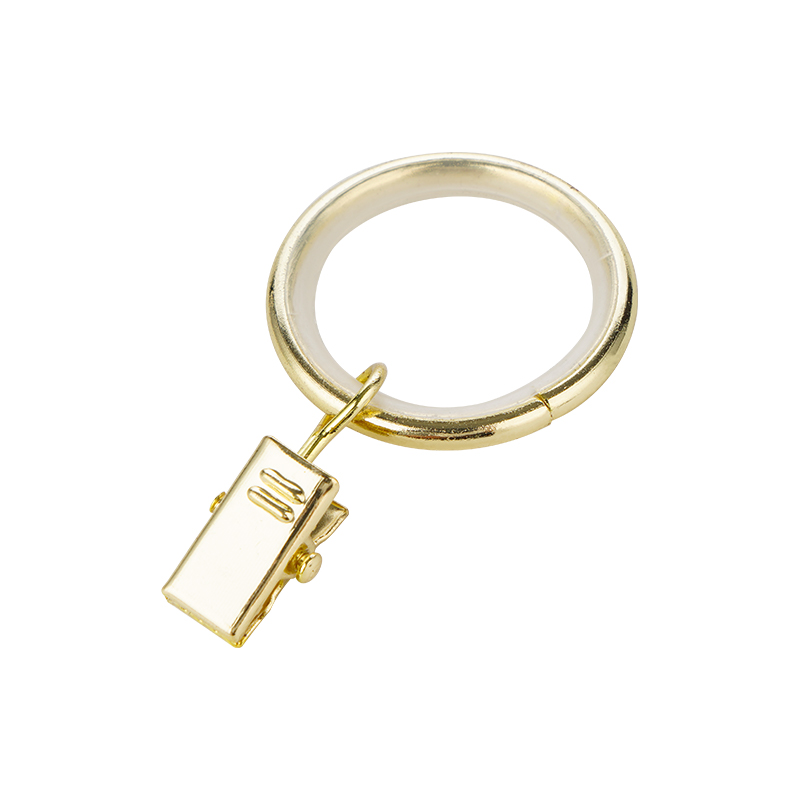
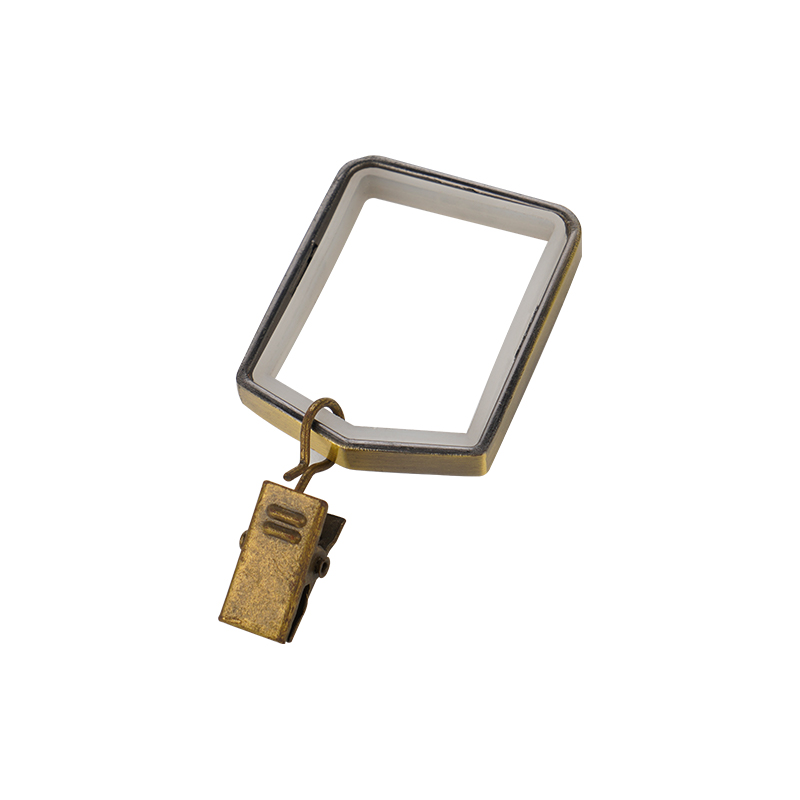 25mm Curtain Rings for Smooth Heavy Curtain MovementLarger-diameter metal or plastic rings designed to glide easily on rods and reduce friction, helping heavy floor-length drapes move without binding at the bracket. Useful for precise length calculations.View Product →
The order of operations matters: choose the ring first, then calculate the fabric length as the drop from the rod to the hem minus the ring height. Doing it in reverse is how a correctly specified curtain arrives longer than the drawing.
Write One Specification That Covers the Whole System
The final rule for any purchaser, whether buying for one room or for a full container: define the finished drop first, then translate that drop into rod length, bracket type, bracket projection, ring size, and header allowance. A curtain length specification is not a fabric number; it is a system number.
Because Ningbo Juou Decoration has manufactured curtain hardware in-house since 2006 and produces the rods, brackets, finials, rings, and connectors under one roof, a single specification document can cover the entire suspension system. In-house tooling and finishing lines, including two electroplating lines and two painting lines, allow custom lengths and surface colours to be adjusted at the production stage rather than after the goods are shipped.
For wholesale buyers, the practical benefit is simple: the drop, the rod, and the hanging hardware are checked against each other before the moulds are opened. That is the point where curtain length stops being a fabric decision and becomes a complete hanging system that arrives right the first time.