English
 中文简体
中文简体
 русский
 Español

Introduction to Curtain Hooks Installation
Installing curtain hooks may seem like a simple task, but there are several important factors to consider to ensure that the installation is both effective and aesthetically pleasing. Curtain hooks are used to attach the curtain to a curtain rail or rod, and they play a critical role in how the curtains hang, move, and function. The right installation can make a significant difference in the overall appearance and functionality of your curtains.
Choosing the Right Type of Curtain Hooks
The first thing to consider when installing curtain hooks is choosing the right type of hooks for your specific curtain and curtain rod. Curtain hooks come in a variety of designs, including pinch pleat hooks, drapery hooks, and clip rings. Each type of hook is suited for different styles of curtains, so it's important to choose the one that best fits your needs.
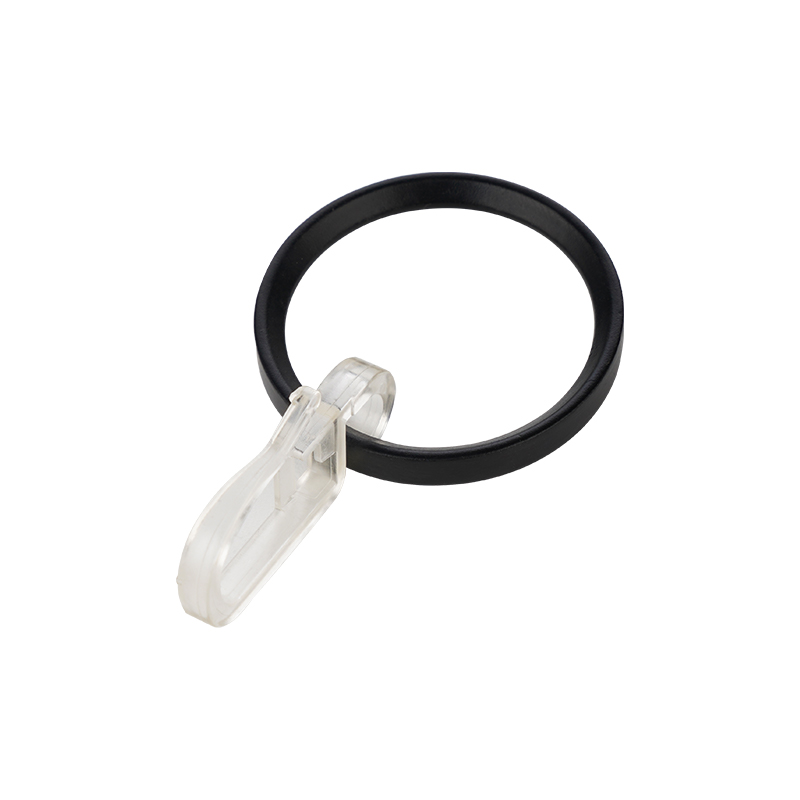
Pinch pleat hooks are commonly used for formal curtains with pleated designs, as they help create evenly spaced pleats that hang neatly. Drapery hooks are typically used for heavier curtains, and they provide a secure hold, preventing the fabric from sagging. Clip rings, on the other hand, are ideal for lightweight curtains or those that don’t require pleating, as they simply clip onto the fabric, allowing it to hang loosely. Be sure to select hooks that can handle the weight of your curtains and match the overall aesthetic of the room.
Understanding the Curtain Rod and Hook Compatibility
Before installing the curtain hooks, it is essential to ensure that they are compatible with the curtain rod or rail. Curtain rods come in different sizes and designs, and some rods may not be suitable for certain types of hooks. For example, a rod with a small diameter may require specific hooks designed for a tight fit, while a larger rod may work with more flexible hook designs. The rod's design, whether it’s a tension rod, a track system, or a standard curtain pole, will influence the type of hook that is appropriate for your curtains.
If you are using a rod with rings or a track system, make sure that the curtain hooks you choose will fit through the rings or glide smoothly along the track. For rods without rings, you may need hooks that have built-in rings or eyelets for attaching to the rod. Always verify the compatibility between your curtain rod and the curtain hooks before starting the installation to avoid any unnecessary complications.
Correct Placement and Spacing of Curtain Hooks
The placement of the curtain hooks is crucial to the final appearance and functionality of your curtains. Improperly spaced hooks can result in unevenly hanging curtains or a bulky, unappealing look. For most curtains, a common rule of thumb is to place the hooks every 4 to 6 inches along the top of the fabric. This spacing allows for a consistent and smooth drape, ensuring that the curtain hangs properly.
When using pinch pleat hooks, it's important to space them in a way that creates well-formed pleats. Typically, you should place a hook at each pleat's crease, ensuring that the fabric is evenly gathered and distributed. For curtains without pleats, such as flat-panel curtains, the spacing can be more flexible, but it’s still important to avoid placing the hooks too far apart, as this may cause the fabric to sag or bunch up in certain areas.
Measuring the Curtain Length Before Hook Installation
Accurate measurements are essential when installing curtain hooks to ensure that the curtains hang at the desired length. Before attaching the hooks, carefully measure the height at which you want the curtains to hang. The typical practice is to measure from the top of the curtain rod to the floor or to a point where you want the curtains to rest. Keep in mind that the curtain hooks will add some height to the curtains, so account for this when determining the desired length.
It’s also important to consider the type of curtain you are using. For example, if your curtains have a puddled or draped look at the bottom, you may want to allow extra length when measuring. In contrast, if you prefer a more tailored, clean look, you may want the curtains to just skim the floor. Ensure that the hooks are installed at the correct points to achieve your desired curtain length and style.
Using the Right Tools for Installation
Installing curtain hooks may require a few basic tools to make the process easier and more accurate. Typically, a measuring tape, a pencil or fabric marker, and a steamer or iron are necessary for the job. The measuring tape will help you take accurate measurements for hook placement and curtain length, while a fabric marker or pencil can be used to mark the exact points on the curtain where the hooks will go.
If you are installing a curtain rod along with the hooks, you may need additional tools, such as a drill, screws, and a level, to properly mount the rod. It’s important to ensure that the curtain rod is installed securely and level before attaching the curtain hooks. In addition, you may want to have pliers on hand to close any hook ends or adjust the hooks if needed.
Ensuring Proper Weight Distribution
When installing curtain hooks, one of the most important things to keep in mind is ensuring proper weight distribution. Heavy curtains, such as velvet or lined drapes, require more hooks to distribute their weight evenly. Using too few hooks may cause the fabric to sag or become misshapen, while too many hooks can create unnecessary tension on the fabric. It is important to assess the weight of your curtains and use an appropriate number of hooks to ensure the fabric is supported without strain.
For lightweight curtains, such as sheer or cotton fabrics, fewer hooks may be necessary. However, it’s still important to place the hooks evenly to maintain the curtain’s overall balance. For curtains with a lot of fabric, such as floor-length drapes, consider using a hook at every pleat or every few inches to provide adequate support and prevent the fabric from pulling or stretching over time.
Attaching the Hooks Securely
Once you’ve decided on the placement and number of curtain hooks, the next step is attaching them securely to the curtain. Depending on the type of hooks you’re using, you may need to sew them onto the fabric or insert them into small loops or rings at the top of the curtains. Make sure that each hook is inserted firmly and is positioned so that it will not slip out of place during use. Sewing the hooks onto the fabric can sometimes be the most secure method, particularly for heavier curtains, as it prevents the hooks from becoming loose over time.
When inserting hooks into pre-made loops or eyelets, ensure that each hook fits snugly into its corresponding loop to prevent any movement. If necessary, use a needle or pliers to gently adjust the hooks for a secure fit. This will help ensure that the curtain hangs smoothly and that the hooks do not come loose during regular use.
Testing the Curtain Movement
After the curtain hooks have been installed, it is a good idea to test the movement of the curtains to ensure that they slide smoothly along the rod or rail. If the curtains feel stiff or uneven, it may indicate that the hooks are not properly spaced or that there is too much weight concentrated in one area. Adjust the spacing of the hooks or the number of hooks to achieve a more fluid movement. If the curtain rail or rod is equipped with a track system, check that the hooks glide easily along the track without snagging or getting stuck.
Maintenance and Adjustments After Installation
Once the curtain hooks are installed and the curtains are hanging properly, it’s important to periodically check the installation for any issues. Over time, the hooks may need adjustment due to wear and tear or changes in the weight distribution of the curtains. If you notice that the hooks are loosening or that the curtains are sagging, make the necessary adjustments by either adding more hooks or repositioning the existing ones.
Additionally, keep in mind that cleaning the curtains may require removing and reattaching the hooks. Depending on the type of hooks and curtains you are using, this process can be straightforward or more time-consuming. Regular cleaning and care of both the curtains and the hooks can help extend their lifespan and ensure that they continue to function properly.
Key Considerations for Curtain Hook Installation
Installing curtain hooks is a relatively simple process, but there are several important factors to keep in mind to achieve a clean, secure, and functional installation. From choosing the right type of hooks to ensuring proper spacing, measuring curtain length, and using the appropriate tools, each step plays a role in ensuring the final result. By following these considerations and making adjustments as necessary, you can ensure that your curtains hang beautifully, function smoothly, and stand the test of time.