English
 中文简体
中文简体
 русский
 Español

Introduction to Curtain Finials and Rod Installations
Curtain finials are decorative end pieces attached to curtain rods, serving both aesthetic and functional purposes. While their primary function is visual enhancement, the overall installation process of curtain finials and rods must also ensure safety. Proper installation prevents accidents, protects the curtain system, and supports the long-term durability of both the rod and the wall or ceiling fixtures. Understanding the factors that affect installation safety is essential for homeowners, interior designers, and installers.
Material Considerations of Curtain Finials
Curtain finials are available in various materials including metal, wood, acrylic, and resin. The choice of material influences both weight and durability. Heavier finials require stronger brackets and proper wall anchors to prevent detachment or bending of the curtain rod. Lighter materials reduce stress on the mounting points and are generally easier to install safely.
Materials also affect how the finial interacts with the rod and bracket. For instance, metal finials may transmit more force to the rod if bumped, while resin or acrylic versions have some flexibility, reducing the impact of accidental contact.
Bracket and Wall Mounting Safety
Secure mounting of curtain rods is fundamental to the overall safety of the curtain system. Brackets must be selected based on wall type, rod diameter, and curtain weight. Drywall requires anchors or toggle bolts to support medium to heavy curtains, while masonry walls may require expansion plugs for firm attachment.
Correct bracket positioning ensures even weight distribution along the rod, reducing the risk of sagging, bending, or detachment. Misaligned or insufficient brackets can compromise both the appearance and safety of the installation.
Weight Load Considerations
The combined weight of the curtain rod, finials, and curtain panels must be considered during installation. Overloading a rod or exceeding the load capacity of brackets can lead to failure. Manufacturers often provide load limits for rods and finials, which should be adhered to for safety.
Heavier curtains, such as lined or blackout types, require more robust rods and secure anchoring. Lighter fabrics are more forgiving and can be installed on simpler hardware without compromising safety.
Rod and Finial Connection Stability
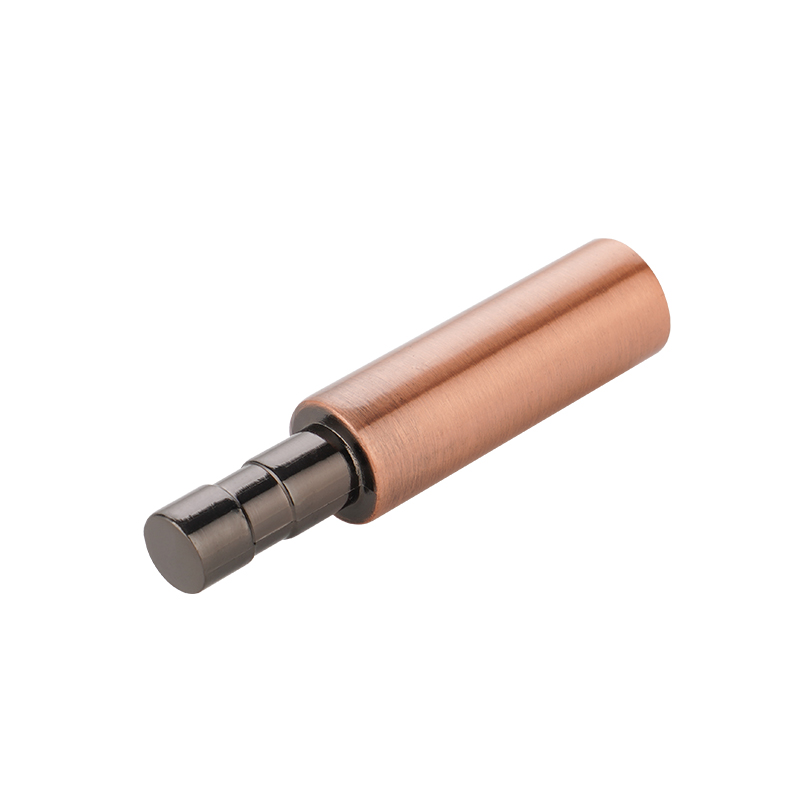
Curtain finials are typically attached to rods using screws, threading, or pressure-fit mechanisms. The method of attachment affects how securely the finial remains in place. Loose or improperly fastened finials may detach if bumped, causing potential injury or damage. Ensuring a tight fit and verifying the connection periodically can reduce these risks.
Some rods include locking mechanisms that prevent rotation or slipping of the finials, further enhancing stability and safety.
Placement Height and Accessibility
The height at which curtain rods are installed impacts overall safety. Rods installed too low may be within reach of children or pets, increasing the likelihood of accidental pulling or bumping. Conversely, rods installed at proper height reduce the risk of contact while still allowing convenient operation of curtains.
For taller windows or high ceilings, step ladders or scaffolding may be required during installation. Proper use of safety equipment during installation is crucial to prevent falls or injuries.
Impact Resistance and Accidental Contact
Curtain finials can be subjected to accidental impact from daily activities, such as walking past or handling objects nearby. The finial design and material determine how the system responds to such contact. Rounded or blunted designs reduce sharp edges, minimizing the risk of injury if the finial is bumped. Strong attachment ensures that the finial and rod remain in place despite minor impacts.
Periodic Maintenance and Safety Checks
Over time, screws, brackets, and finials may loosen due to vibration, curtain movement, or temperature changes. Periodic inspection and maintenance of curtain rods and finials help maintain safety. Tightening loose screws, verifying wall anchors, and checking rod alignment are recommended practices to prevent accidents or damage.
Comparison of Installation Safety Factors
| Factor | Impact on Safety | Recommended Action |
| Material Weight | Heavier finials increase stress on rods and brackets | Use stronger rods and secure wall anchors |
| Wall Type | Determines suitable mounting hardware | Match anchors or plugs to wall material |
| Rod Length | Long rods may sag or bend | Use multiple brackets for weight distribution |
| Finial Attachment | Loose finials may detach | Ensure tight connection and periodic checks |
| Installation Height | Low rods increase risk of accidental contact | Install at recommended height for accessibility and safety |
Child and Pet Safety Considerations
Households with children or pets require special attention to curtain rod and finial installation. Rods should be positioned out of reach, and finials with rounded or blunt designs reduce the risk of injury. Strong brackets and reinforced wall anchors prevent accidental dislodging if curtains are pulled or pushed.
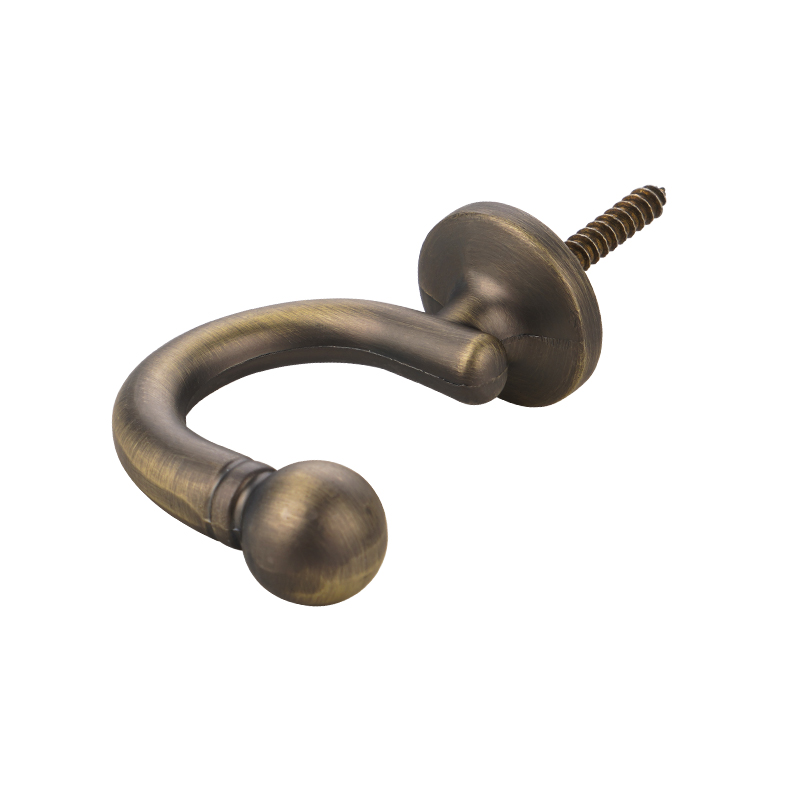
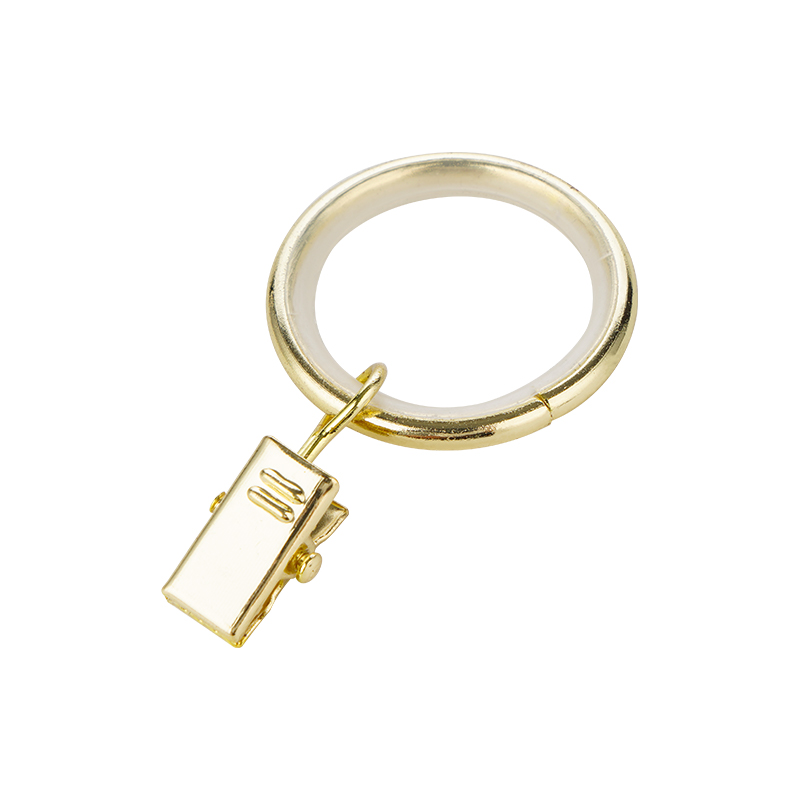
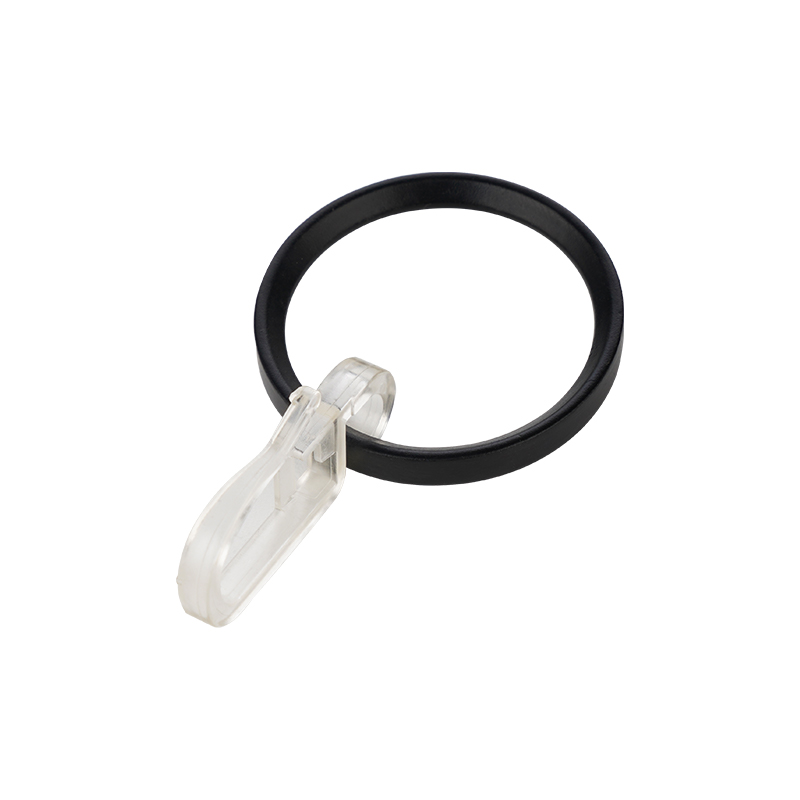
In addition, regular inspection ensures that moving parts, such as hooks or rings, do not create hazards through sharp edges or loose components.
Design Features Enhancing Installation Safety
Some curtain finials incorporate features designed to improve safety. Rounded tips, integrated locking systems, and lightweight construction minimize the risk of accidental detachment or injury. Matching the finial design to curtain weight and rod type further supports a stable and secure installation.
Professional Installation vs. DIY
Professional installation can enhance safety by ensuring correct bracket spacing, anchor selection, and finial attachment. DIY installation is feasible with appropriate tools, careful measurement, and attention to wall type and rod specifications. In both cases, following manufacturer guidelines for rod and finial compatibility is critical to maintaining a secure system.
Long-Term Safety and Durability
With proper installation and regular maintenance, curtain finials and rods maintain safety and functionality over time. Adherence to recommended weight limits, correct mounting, and inspection routines ensures that the system continues to perform reliably while minimizing potential hazards.
Neglecting maintenance or exceeding weight capacities can result in sagging, detachment, or injury, highlighting the importance of consistent attention to installation integrity.
Safety Best Practices
To ensure the overall safety of curtain finial and rod installations, the following practices are recommended: select materials appropriate for curtain weight, match wall anchors to wall type, verify finial attachment, distribute weight evenly with multiple brackets, install at safe heights, choose rounded or blunt finial designs, and perform periodic checks. Following these guidelines reduces the likelihood of accidents and supports the long-term stability of the curtain system.